 mahalo nuiloa
As 2025 draws to a close, many travelers are already dreaming of where to go in 2026. Japan continues to rise in popularity, welcoming over 42 million visitors this year. With the Kansai Expo boosted interest in western Japan in 2025. However, the trend is shifting from touristy style to immersive cultural experiences. Popular destinations often see crowds at the same peak hours, so seasoned travelers are now seeking quieter places where authentic Japanese culture can be enjoyed at a slower pace.
Drawing on my own journeys, I’m highlighting Japan’s must‑see destinations for 2026—and the seasonal experiences that make them truly unforgettable.
Climate and Seasonal Highlights 2025
Japan’s climate is changing, with longer summers and shorter autumns. In Tokyo, temperatures can exceed 30°C as early as May and remained high into October. This makes spring and autumn—the seasons of cherry blossoms and autumn leaves—even more precious, though their timing has become harder to predict.
- Spring: Cherry blossoms bloom from south to north, offering stunning contrasts with temples and castles.
- Summer: Escape the heat by heading to cool mountain resorts, where temperatures can drop below 20°C.
- Autumn: Brilliant foliage now lasts only from late October to early December, moving southward from Tohoku to Tokyo. In the capital, golden ginkgo trees line the streets.
- Winter: Heavy snow arrives by mid-December, creating magical landscapes of thatched-roof houses and powder snow perfect for skiing.

Toyama
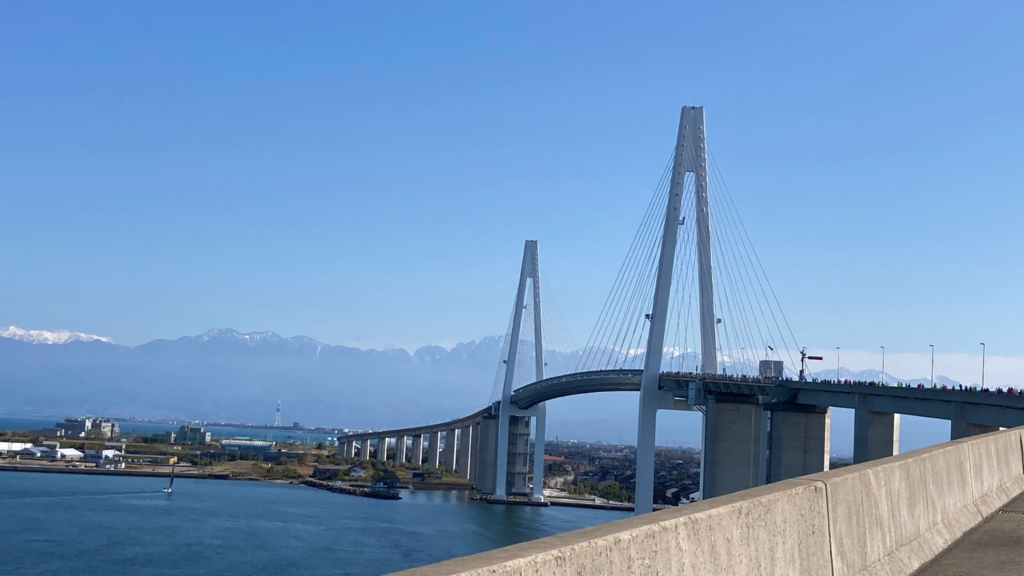
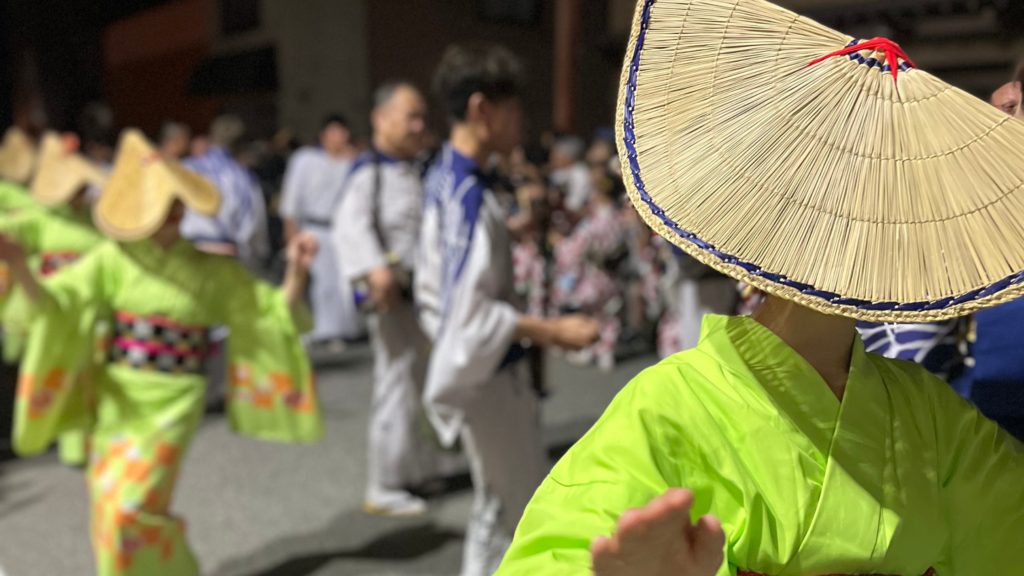
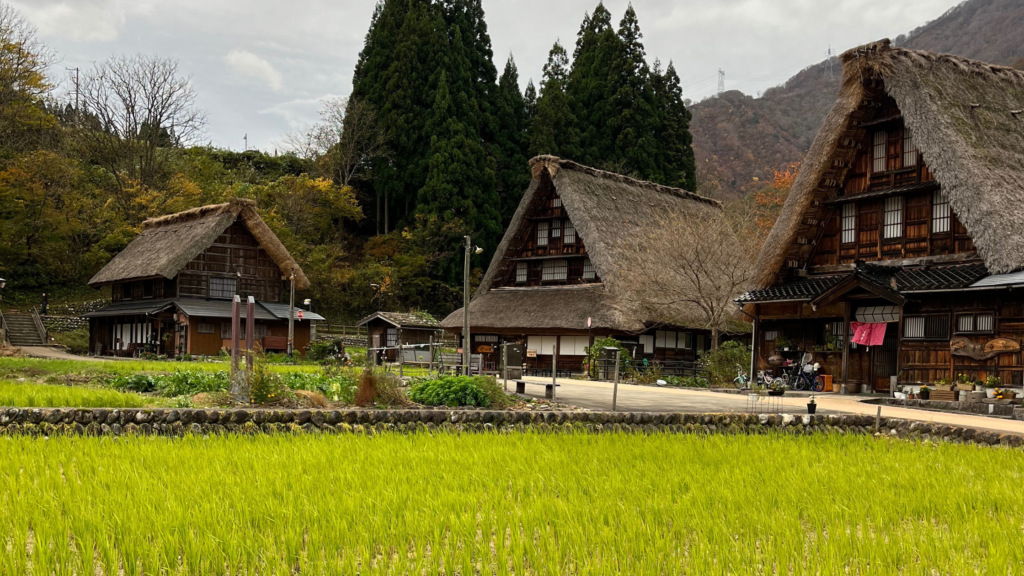
Chosen by The New York Times as one of the must-visit places in 2025, Toyama offers dramatic views of the Tateyama Mountain Range, fresh seafood from the Sea of Japan, and cultural treasures like the UNESCO-listed Gokayama villages. Explore the historic port town of Iwase, admire the Glass Art Museum, or join the elegant Owara Kaze-no-Bon dance festival. Tokyo is just two hours away by Shinkansen.
Echizen (Fukui)
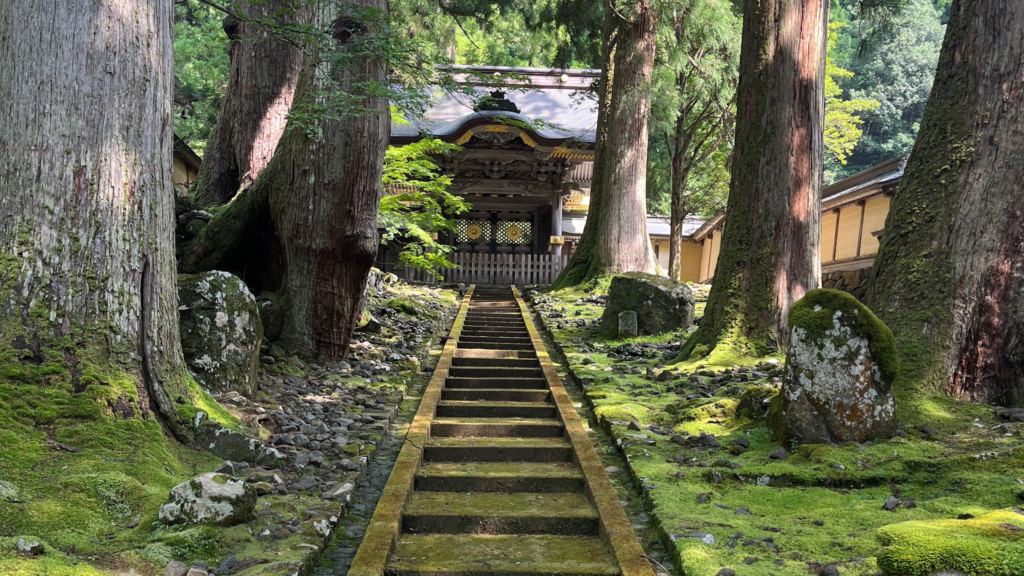
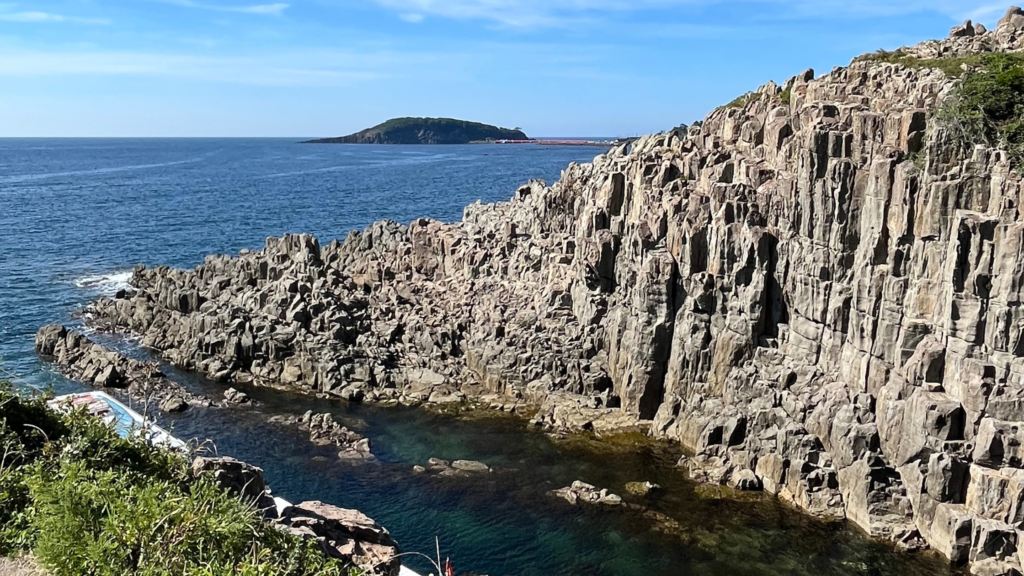
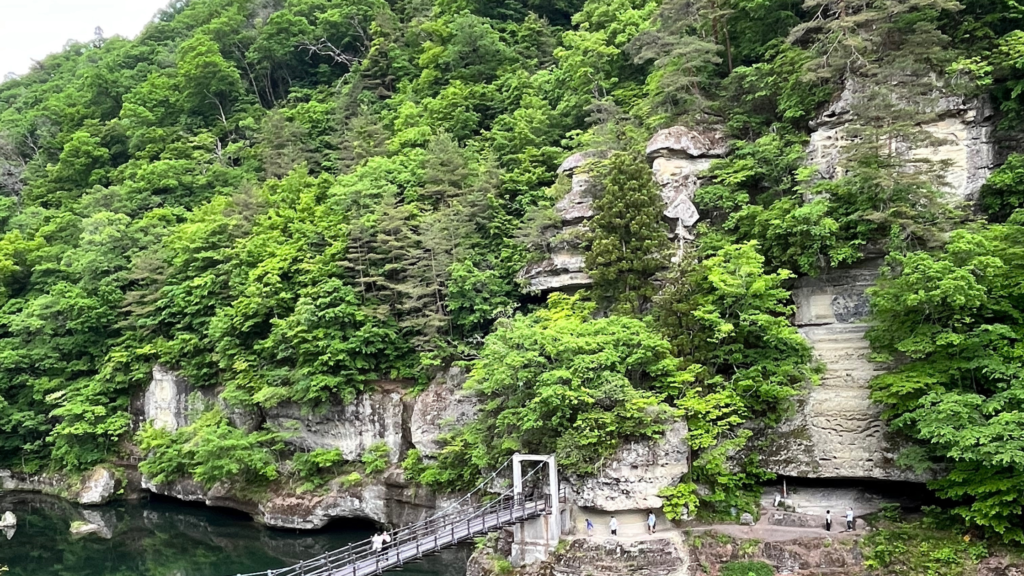
Fukui is rich in craftsmanship and spiritual heritage. Visit Eiheiji Temple, a living Zen monastery known for its strict training, or marvel at the rugged cliffs of Tojinbo, one of the world’s great columnar joint formations. The region is also famous for winter crab cuisine and dinosaur fossils. Accessible in three hours by Shinkansen or one hour by plane.

Izu Peninsula (Shizuoka)
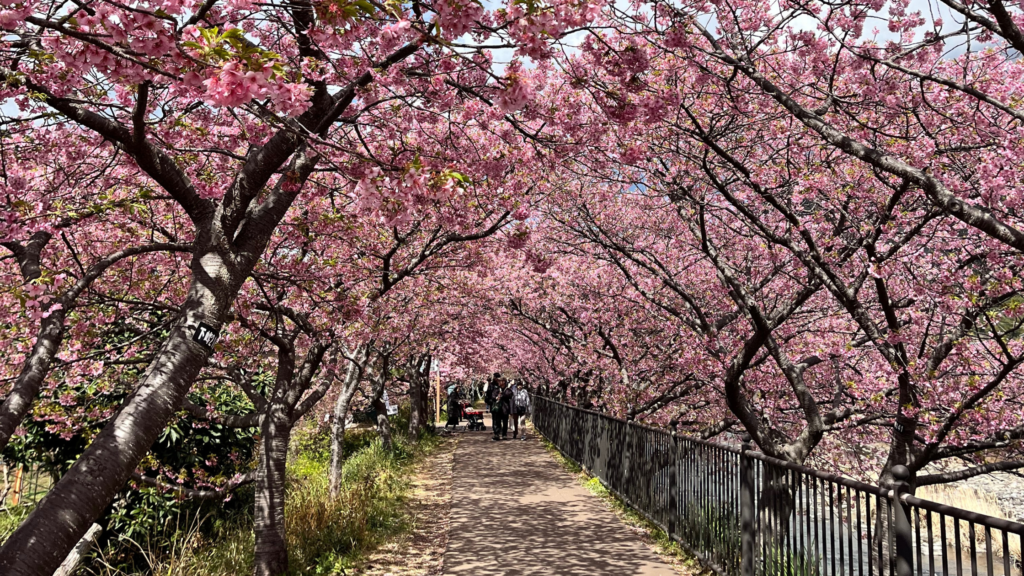
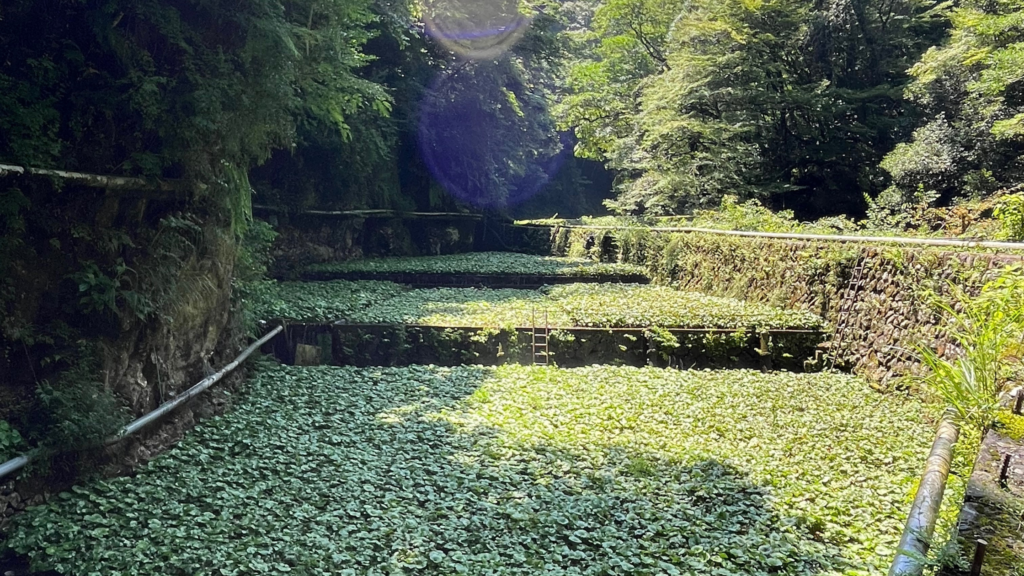
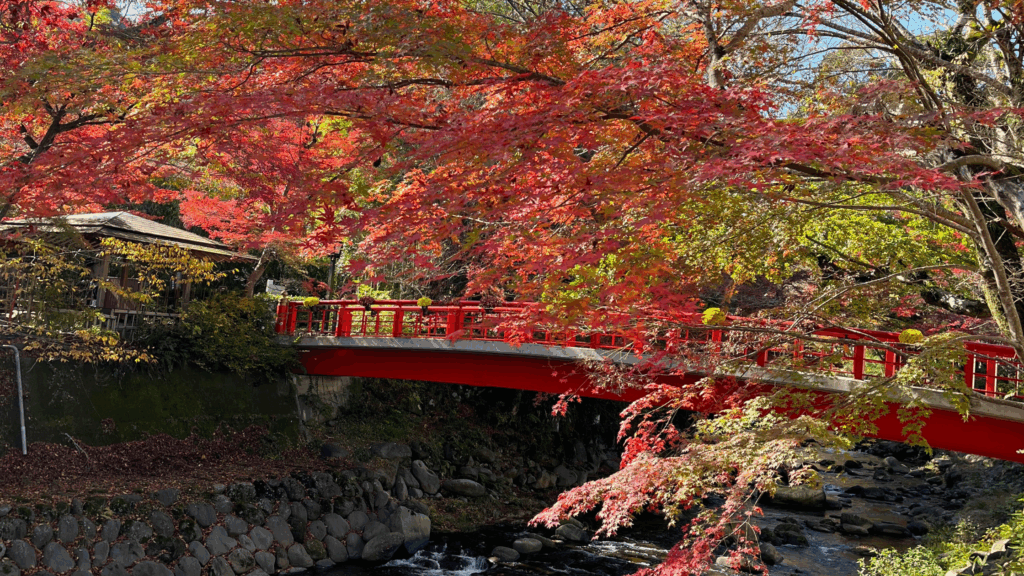
Only 30 minutes from Tokyo by Shinkansen, Izu is Japan’s earliest cherry blossom spot, with blooms from late January. Discover quiet hot spring towns, wasabi terraces, and the historic Shuzenji Temple. In March, stroll beneath the four-kilometer-long rows of Kawazu cherry blossoms.
Uonuma & Murakami (Niigata)
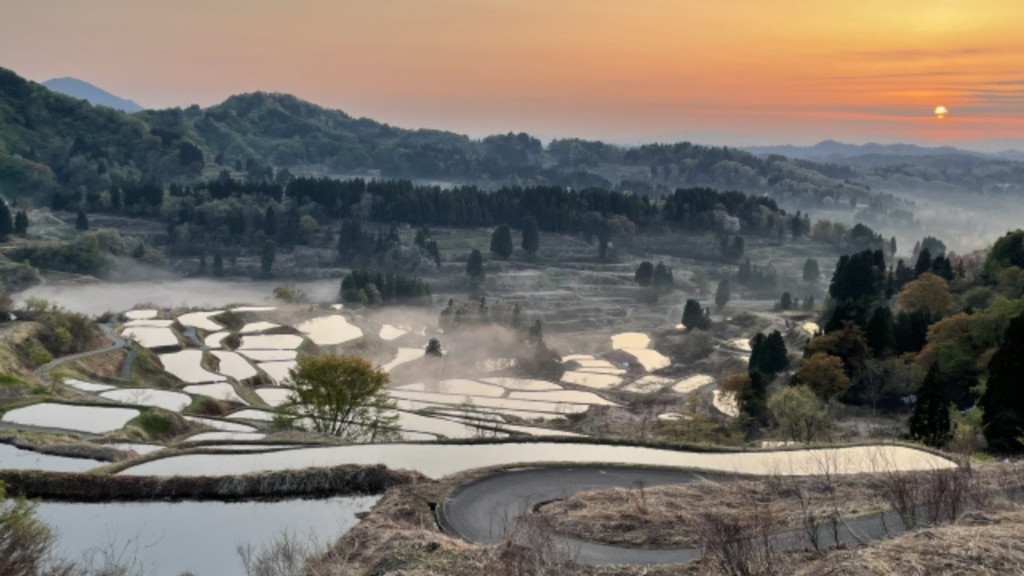
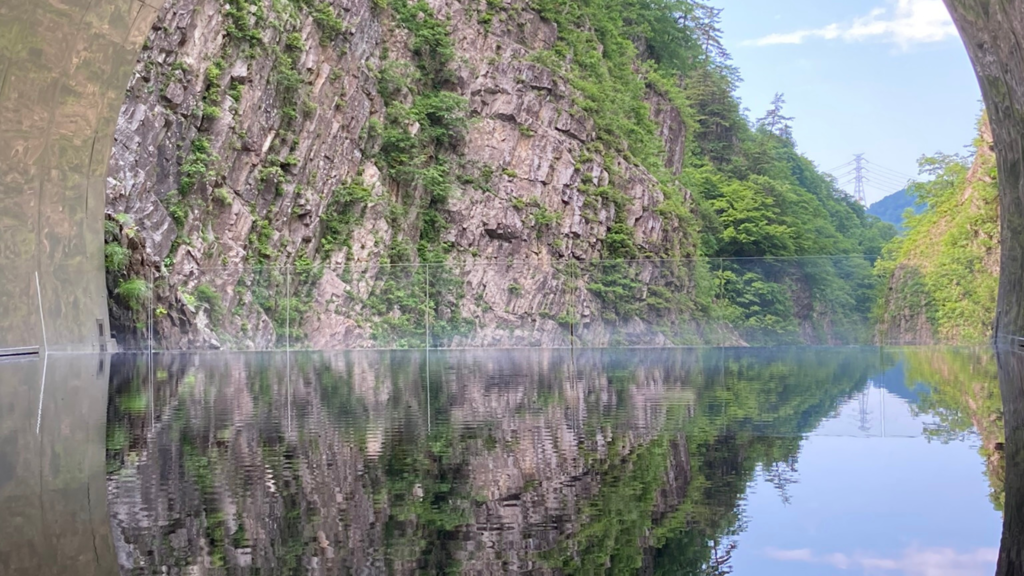
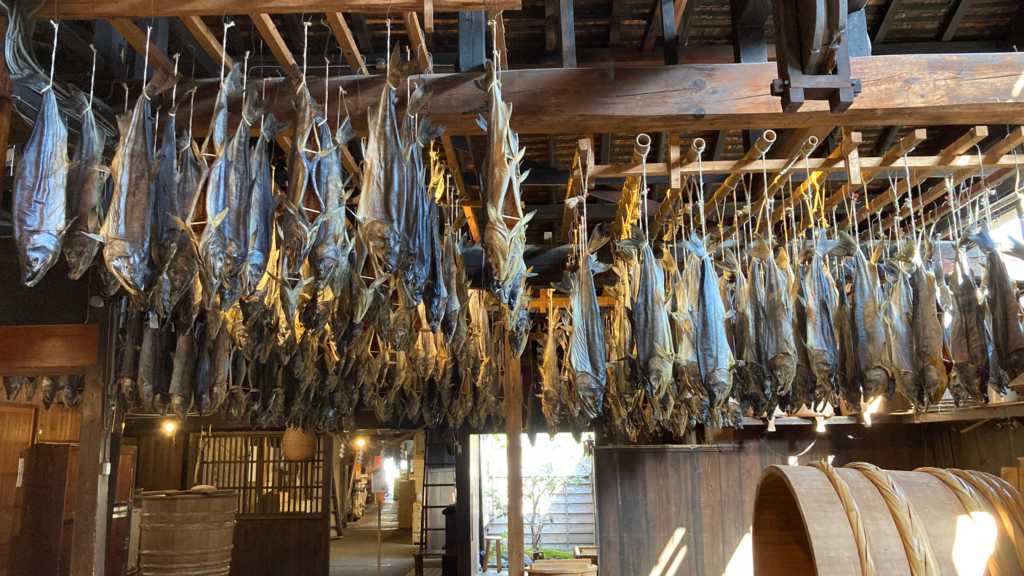
Renowned for rice, sake, and seafood, Niigata is just one hour from Tokyo. Winter attracts skiers to its powder snow, while summer brings lush mountains and art festivals. Along the coast, visit wineries, traditional inns, and Murakami, the “salmon town.” Snow-view hot springs in mountain lodges make for unforgettable stays.
Fujiyoshida & Enzan (Yamanashi)
Beyond Mount Fuji and Lake Kawaguchi, Yamanashi offers wineries in Katsunuma and cool summer highlands. Explore Oshino Hakkai, a set of crystal-clear spring ponds fed by Fuji’s snowmelt, or enjoy views of the mountain from quieter lakes like Yamanakako. In August, join locals at the spectacular Fire Festival.

Aizu & Ouchi-juku (Fukushima)
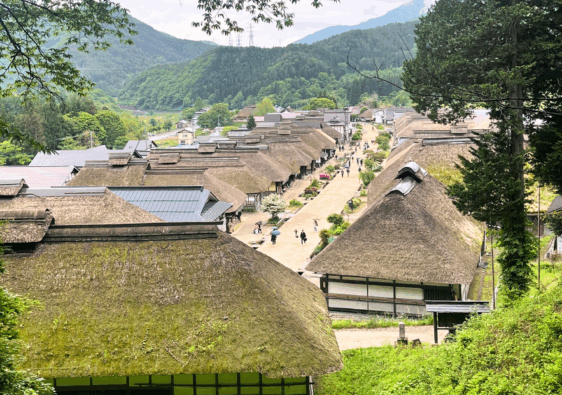
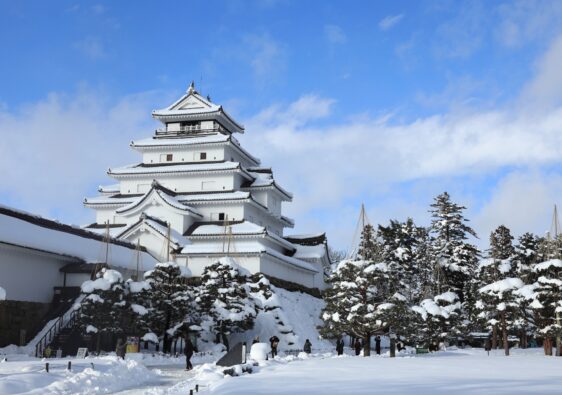
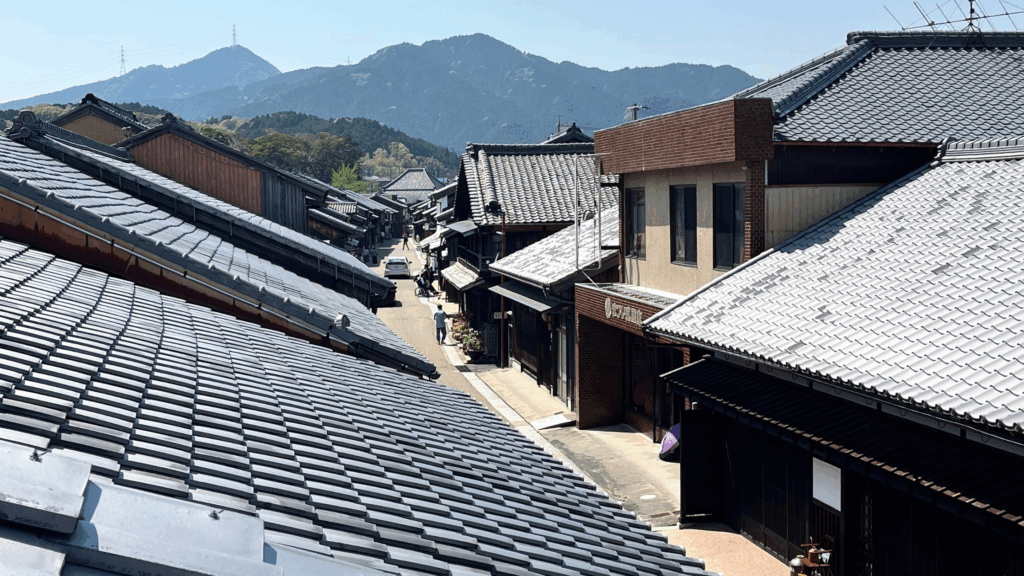
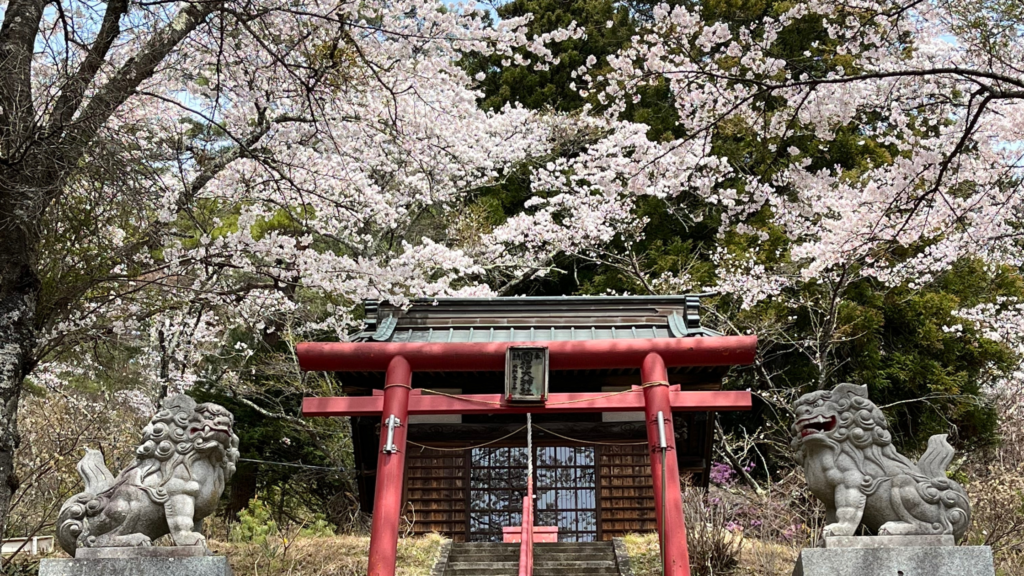
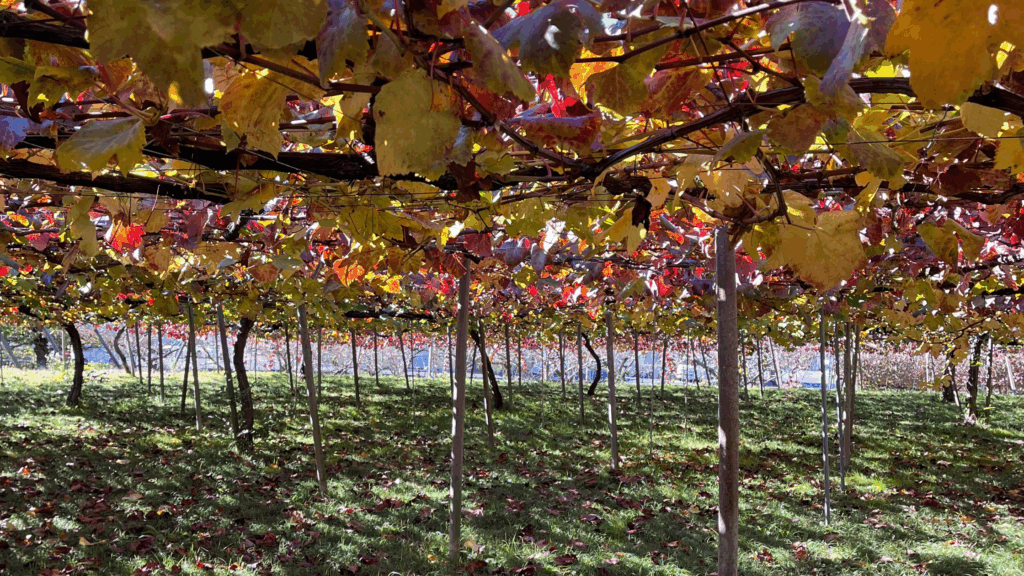
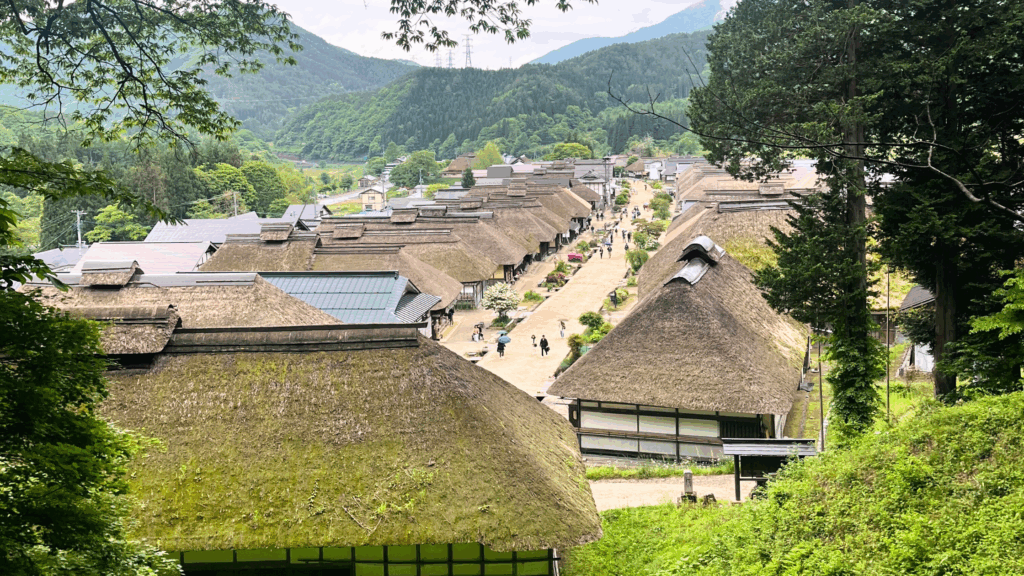
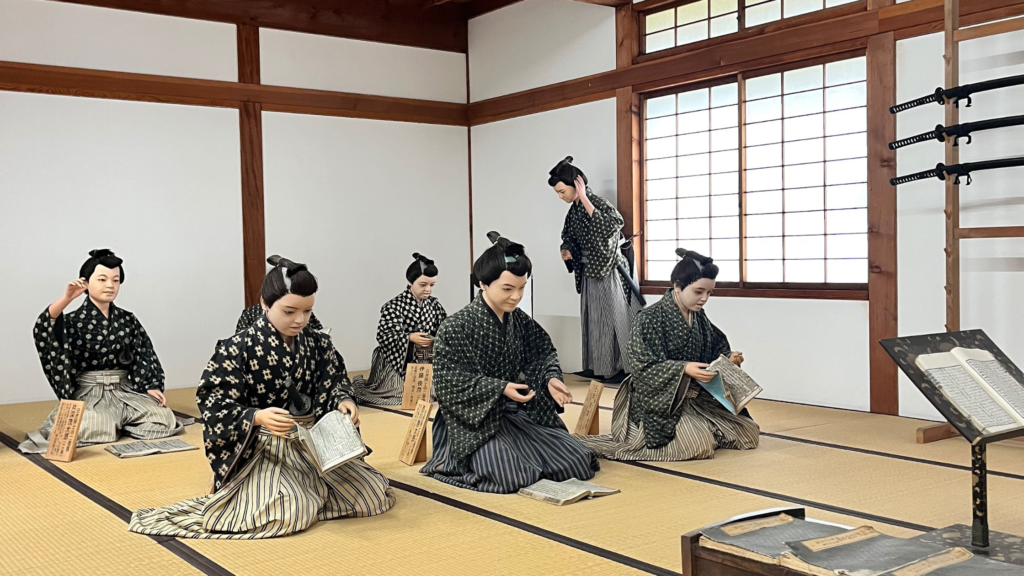
Step into samurai history in Aizu-Wakamatsu, taste sake and ramen in Kitakata, and wander the preserved thatched-roof post town of Ouchi-juku. In winter, the snow-covered village is breathtaking. Nearby hot springs and Japan’s only thatched-roof station add to the charm. About three hours from Tokyo by train.
Ise (Mie)
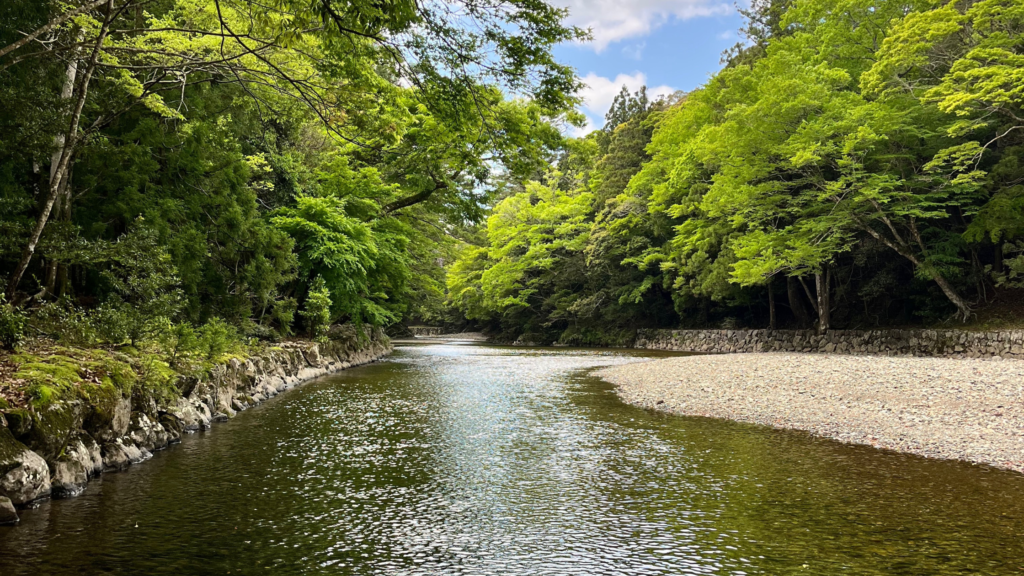
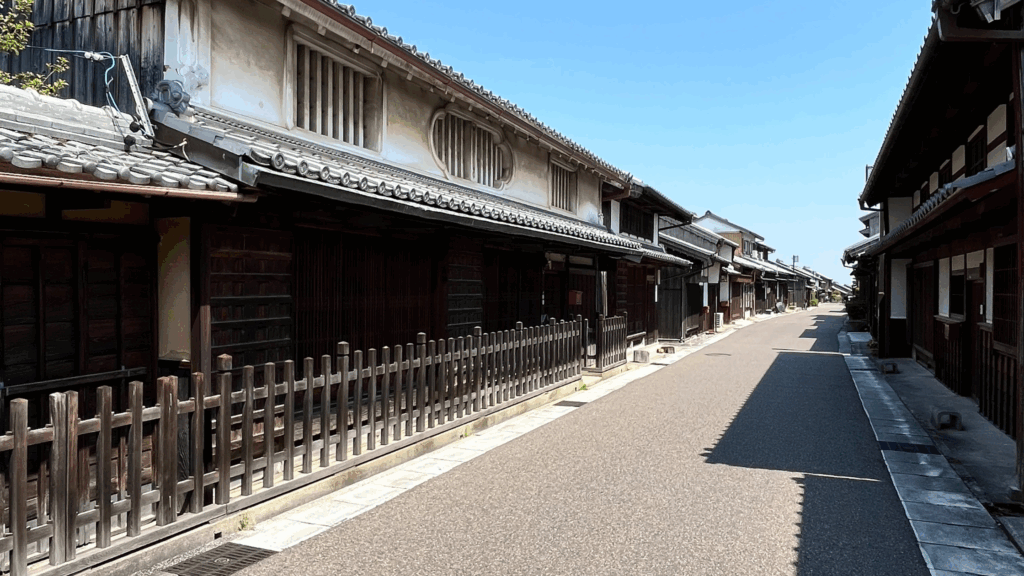
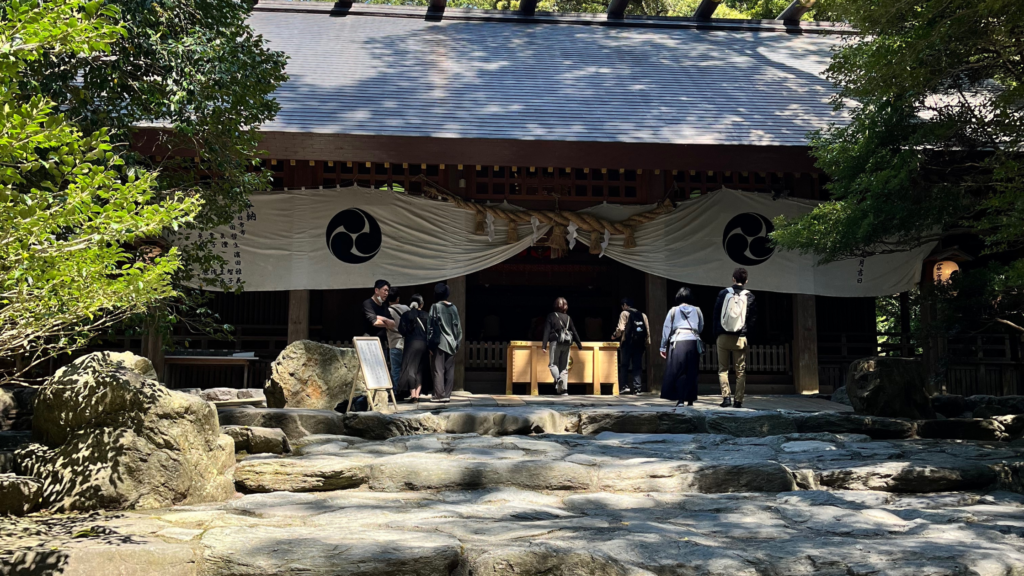
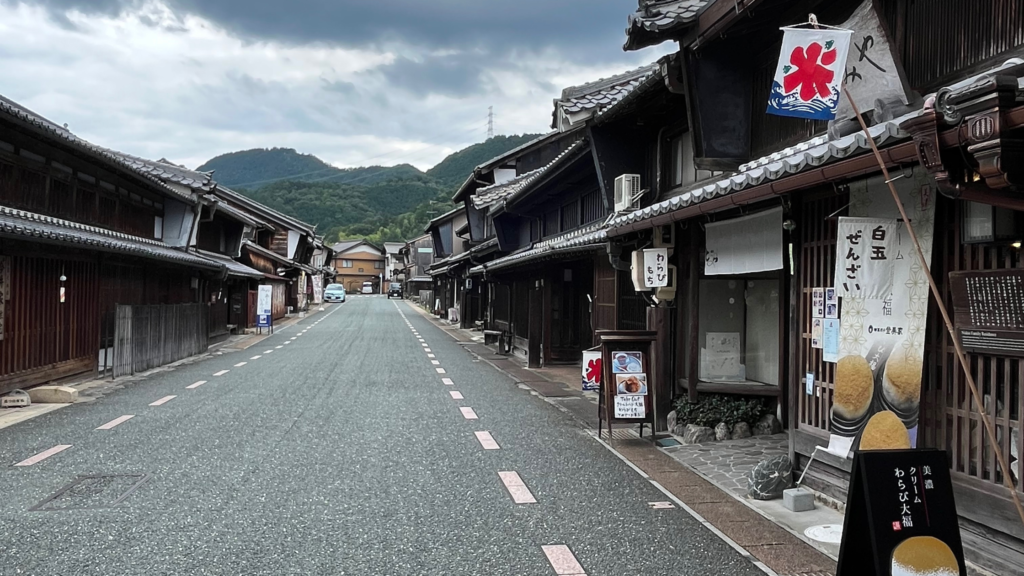
Home to Ise Grand Shrine, dedicated to the sun goddess Amaterasu, this is Japan’s most sacred pilgrimage site. Stroll through the preserved Edo-period streets of Sekijuku, or visit Mikimoto Pearl Island to watch traditional ama divers. Fresh seafood is a highlight. Three hours from Tokyo by Shinkansen and Kintetsu.
Gujo Hachiman & Okuhida Onsen (Gifu)
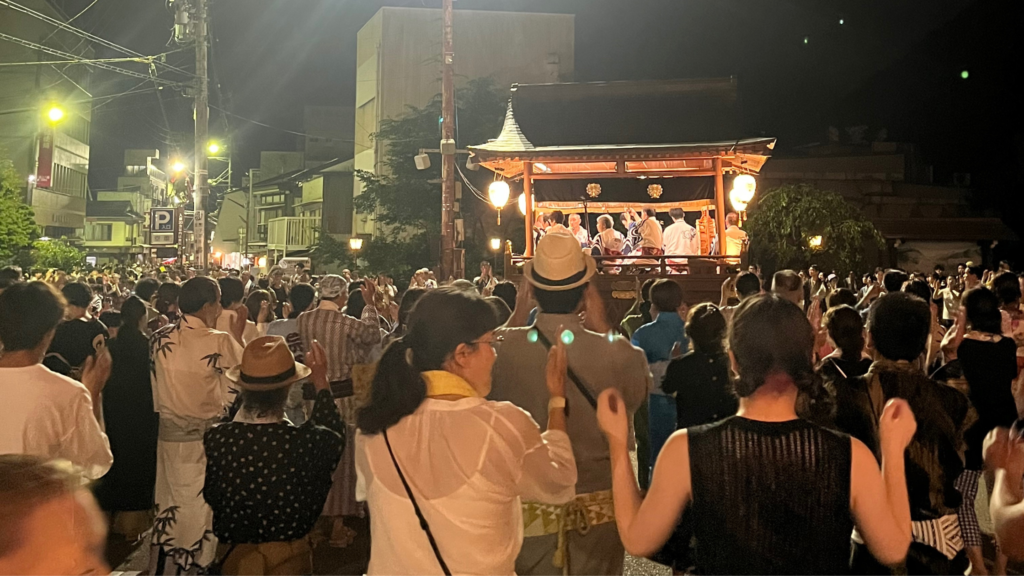
Gujo Hachiman is famous for its month-long summer dance festival, where visitors can join locals in yukata and wooden clogs, dancing until dawn during Obon. Nearby Okuhida Onsen offers snowy mountain hot springs and local delicacies like Hida beef.

Izumo (Shimane)
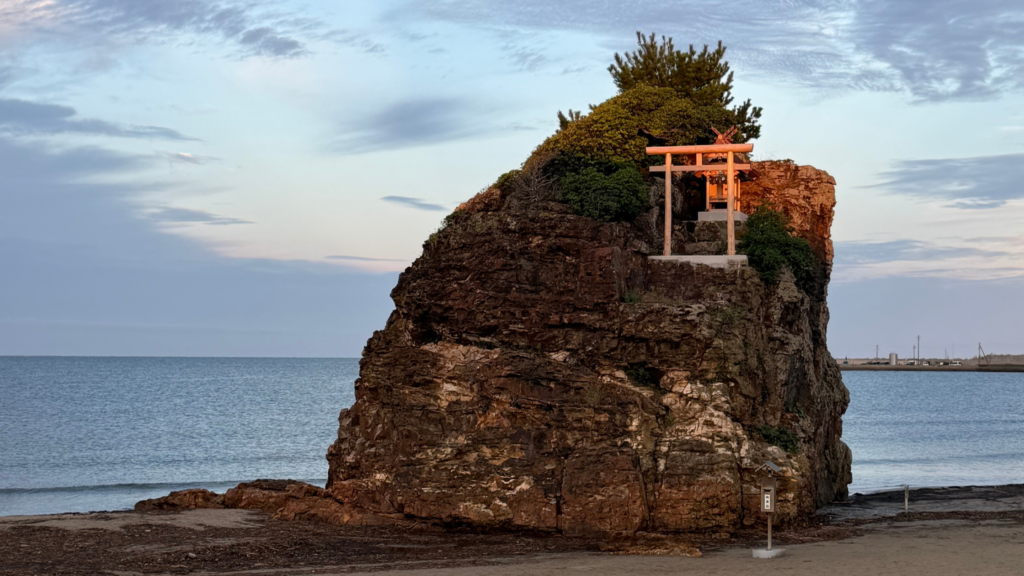
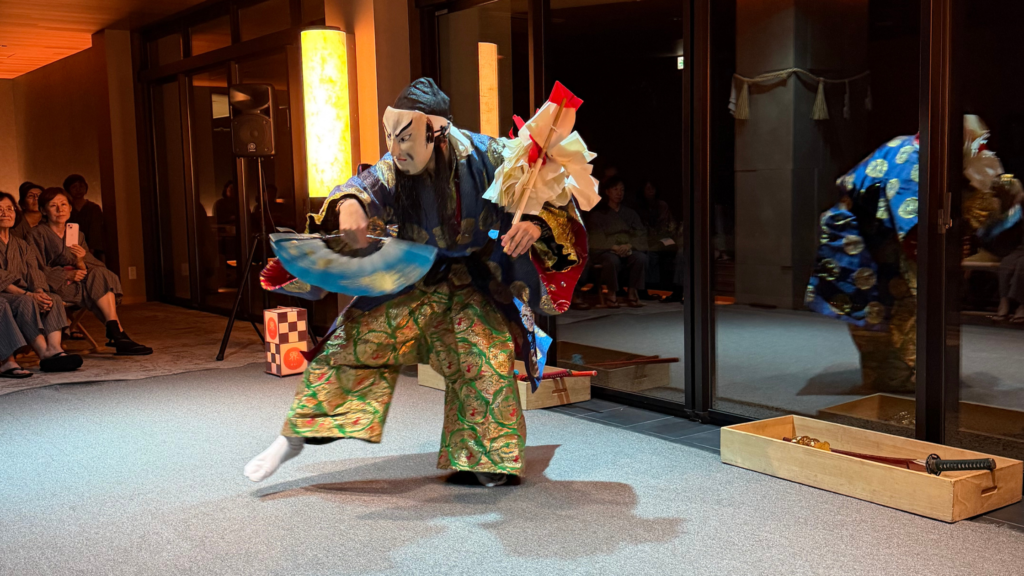
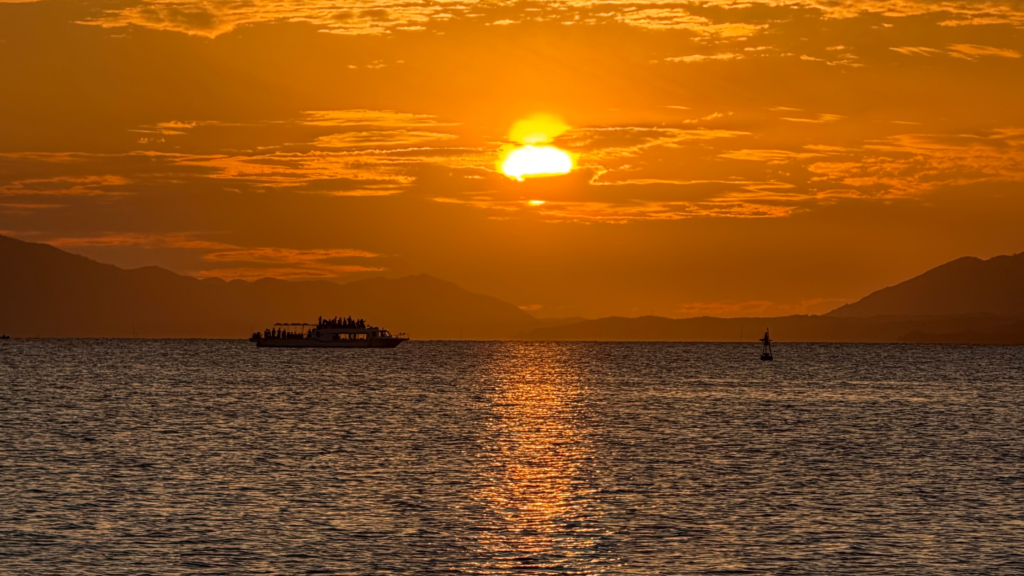
Known as the land of myths, Izumo hosts the Grand Shrine where deities from across Japan gather each October. Stay at a Michelin Key hotel blending nature and design, watch sunsets over Lake Shinji in Matsue, or explore the World Heritage Site of Iwami Ginzan with its historic mining townscape. Just 1 hour 20 minutes by plane.
Closing Reflections
These destinations remain blissfully quiet, where the rhythm of local life and timeless traditions unfold at their own pace. Here, you’ll share tea with villagers, wander streets lit by lanterns, and feel the seasons wrap around you like a story. Whether it’s your first journey to Japan or a return to familiar paths, stepping beyond the usual hotspots will gift you moments so vivid and heartfelt, they linger long after the trip ends.
Mahalo Nuiloa Local Guide will coordinate a private tour according to your request. Would you like to make a trip that suits you? Please contact us from here.