Discover volcano-shaped landscapes, ancient hot springs, and the quiet beauty of rural Japan—just 1-1.5 hour from Tokyo.
The Izu Peninsula is one of Japan’s most fascinating regions, not only for its natural beauty but also for its dramatic geological history. This peninsula was once a chain of submarine volcanoes that rose from the ocean floor over a million years ago and eventually collided with the Japanese mainland. Until only about 200,000 years ago, volcanic activity was still common, shaping the land into the diverse scenery we see today.
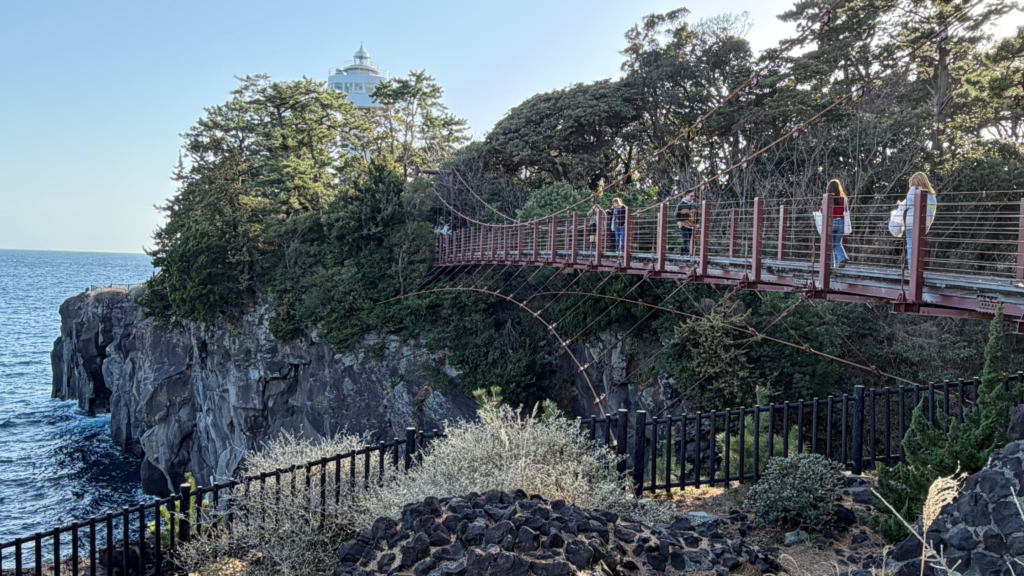
Because of this unique geological background, Izu has been recognized by UNESCO as a Global Geopark.
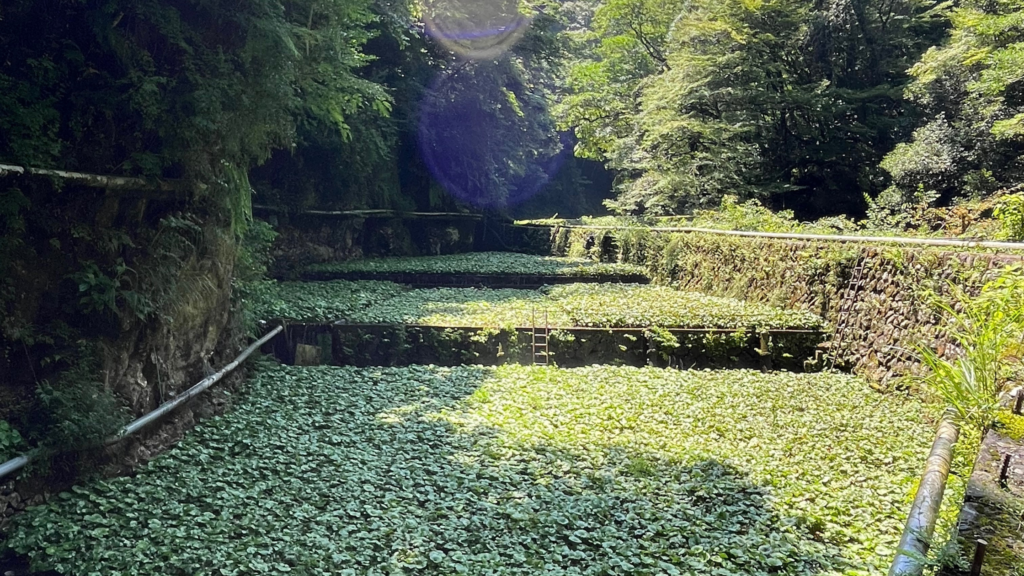
Along the coast, the climate is mild year-round, averaging 15–17°C. Inland, the temperature difference between day and night is much greater, and moist air from the Pacific brings abundant rainfall. Thanks to this natural environment, Izu’s mountain valleys are ideal for cultivating high‑quality wasabi—one of the region’s most famous specialties.
But Izu is far more than a beach resort. Its volcanic origins, warm climate, dramatic coastlines, countless hot springs, historical sites, lush mountains, and fresh local produce make it a destination full of variety. And being surrounded by the sea, it is also known for exceptional seafood.
In this blog, I’ll guide you through a journey across Central Izu, East Izu, and West Izu—three regions with completely different charms.
How Izu Is Divided
The peninsula is commonly divided into four areas:
- East Izu – seaside resorts, hot springs, and ocean views (Ito, Atagawa, Inatori)
- West Izu – dramatic cliffs, sunsets, and the scenic Dogashima coastline
- Central Izu – Shuzenji, Amagi mountains, and wasabi fields
- South Izu – tropical beaches such as Shimoda and Shirahama
Central Izu — Shuzenji: A Quiet Hot Spring Town Steeped in History
Shuzenji is a peaceful hot spring town that has inspired many of Japan’s great writers. Kawabata Yasunari’s world‑famous novel The Izu Dancer is set in this region, and fans of Japanese literature will find many places connected to the story.
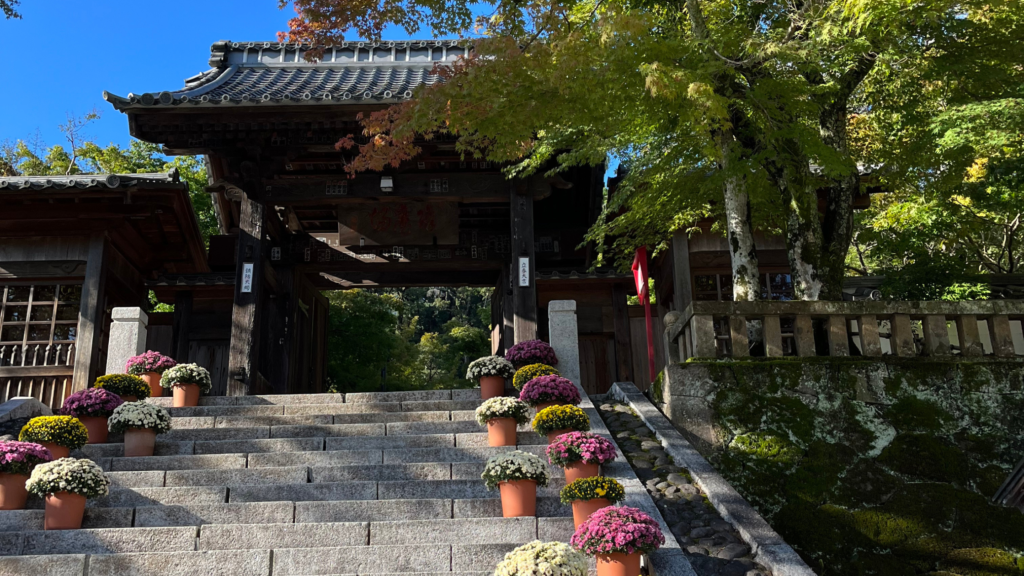
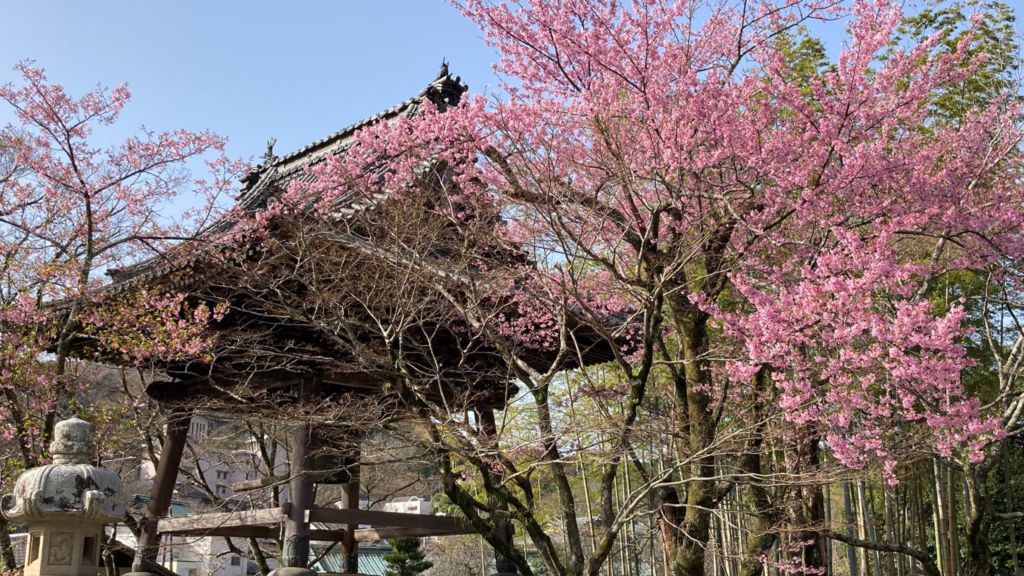
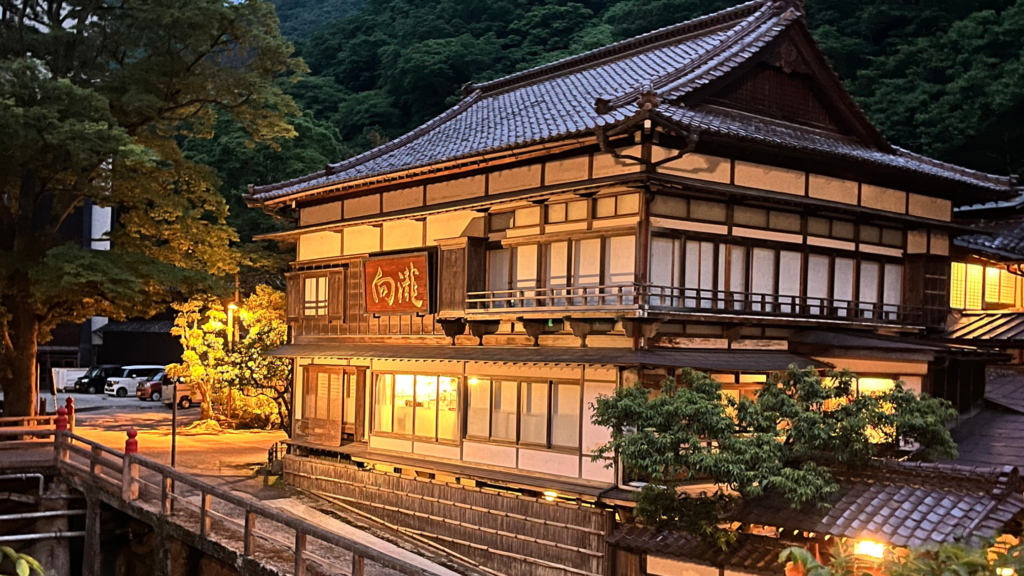
The hot springs of Shuzenji were discovered in 807, and many traditional inns still offer pure, free‑flowing onsen water. The town is also deeply tied to Japanese history—particularly the tragic story of the Minamoto clan during the 12th century. One of the remaining historical sites is Hakoyu, now a public bath, where you can soak in naturally hot water that leaves you feeling refreshed and renewed.
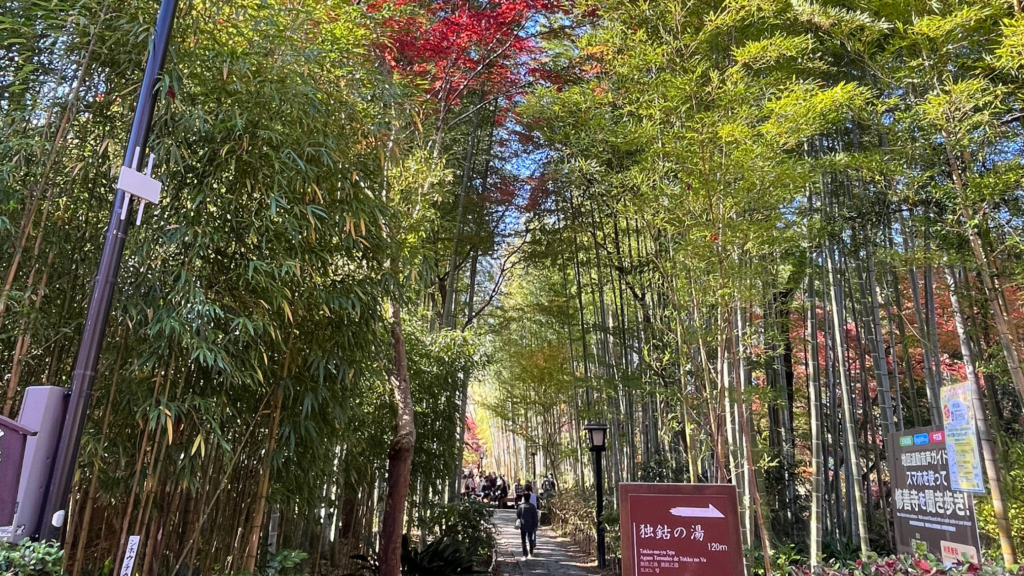
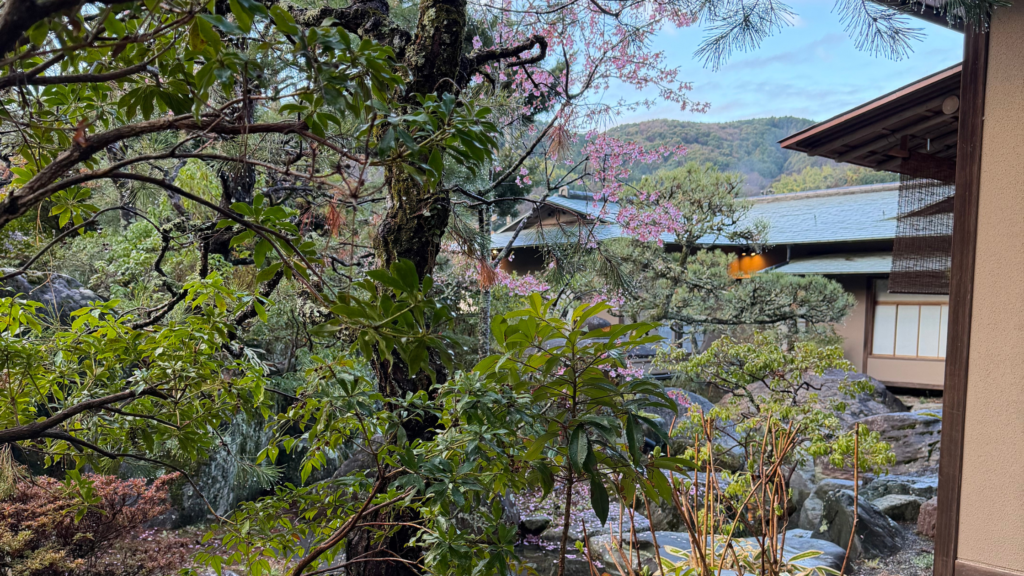
The town has a “Little Kyoto” atmosphere, with bamboo groves, riverside paths, and five red bridges said to bring good luck in love. In spring, cherry blossoms bloom beautifully; in autumn, the foliage is stunning. It’s a place that gently heals the heart.
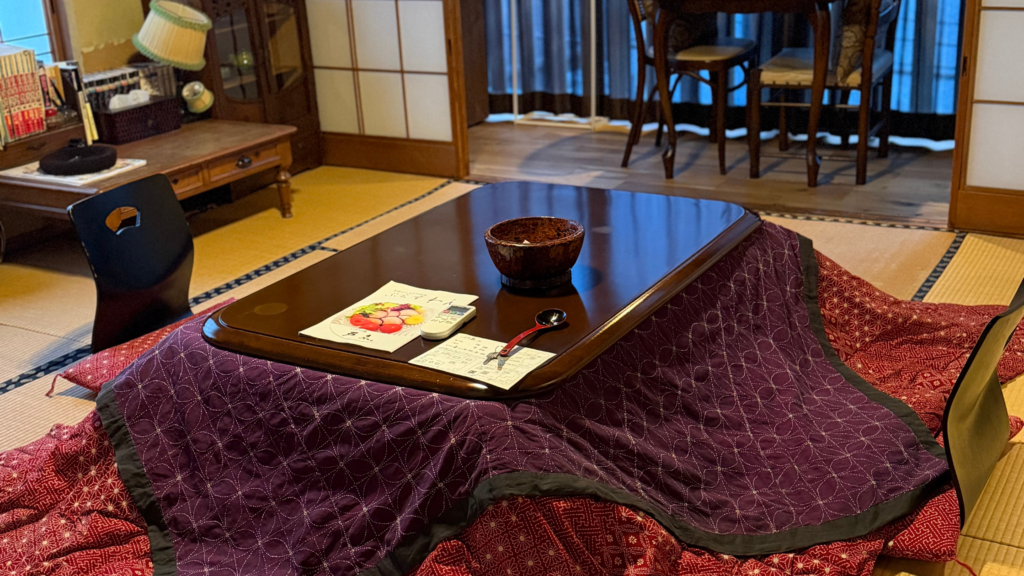
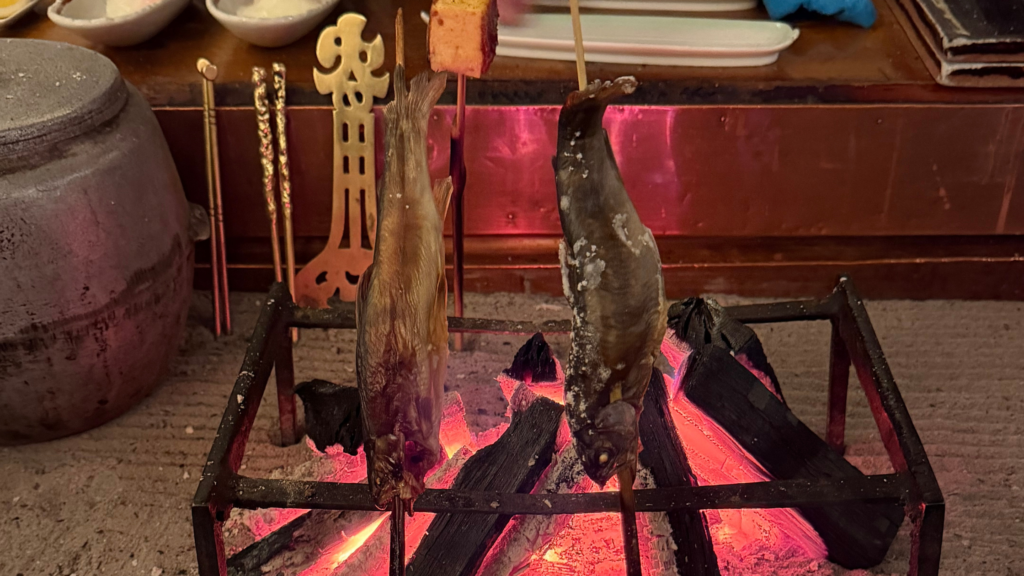
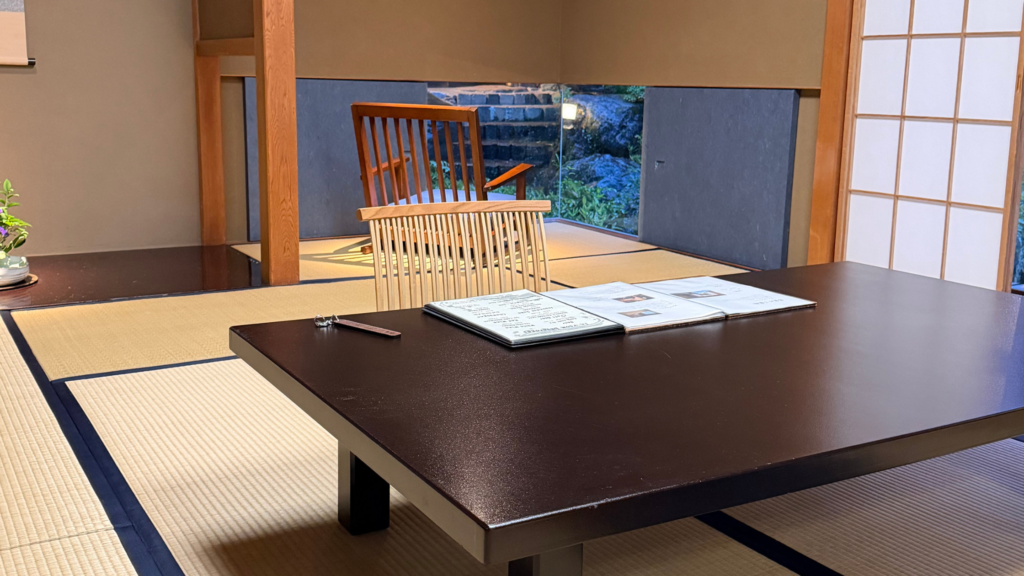
Shuzenji offers a wide range of ryokan—from long‑established inns to modern retreats. You can enjoy a private room with your own bath, or relax in a large communal onsen. Many inns now offer flexible meal options, allowing you to dine at the ryokan or explore local restaurants.
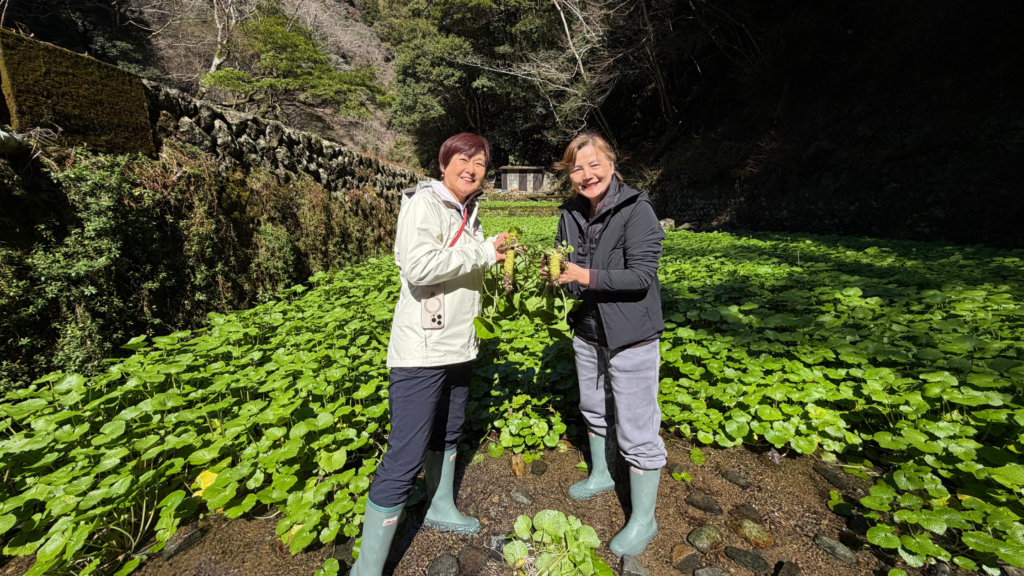
Nearby, you’ll find many wasabi farms. Wasabi grows only in pure spring water with stable temperatures between 10–15°C, making the Amagi region ideal. At Takijiri Wasabi Farm, one of a World Agricultural Heritage site, wasabi is grown using the traditional tatami‑bed method. They even offer a once‑a‑day wasabi harvesting experience—an unforgettable activity for visitors.
Izu Nagaoka — Tea Fields, History, and Mount Fuji Views
On the way to Shuzenji lies Izu Nagaoka, home to tea plantations and the historic Nirayama Reverberatory Furnace.
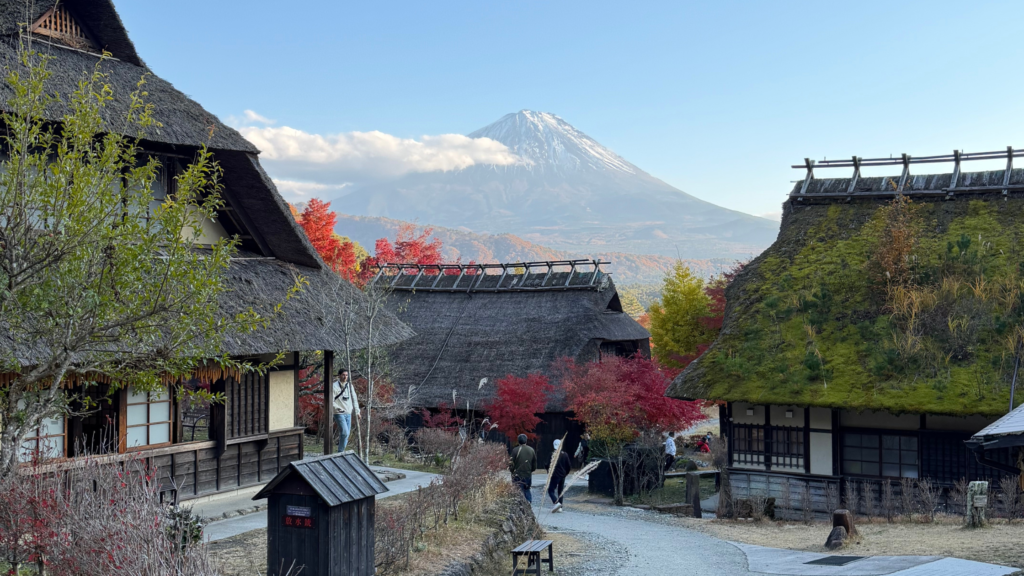
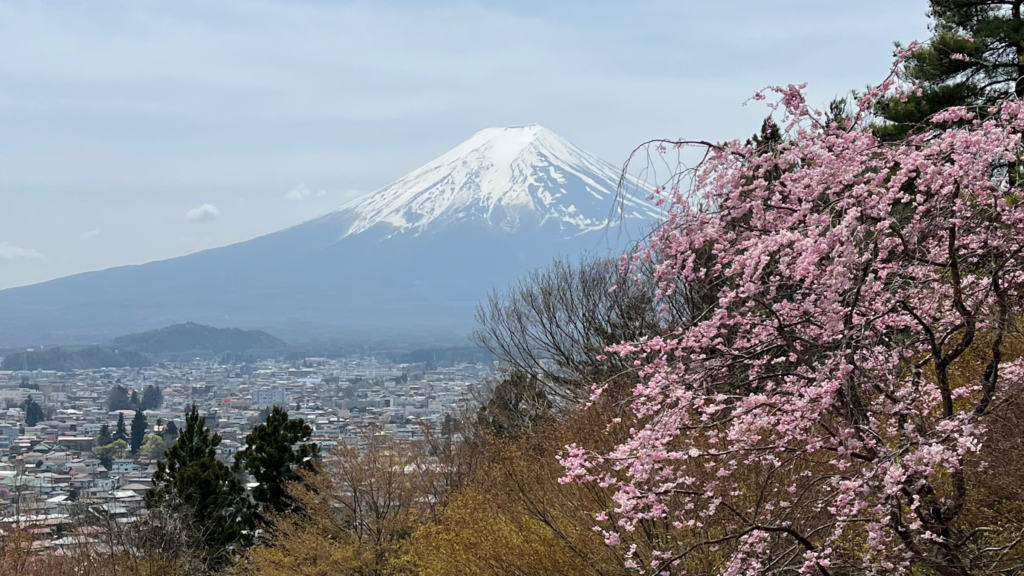
A must‑visit spot is Izu Panorama Park, where you can enjoy breathtaking views of Mount Fuji. Relaxing at the mountaintop café while gazing at the scenery feels wonderfully luxurious. There’s also a footbath along the walking path—perfect for a slow, peaceful break.
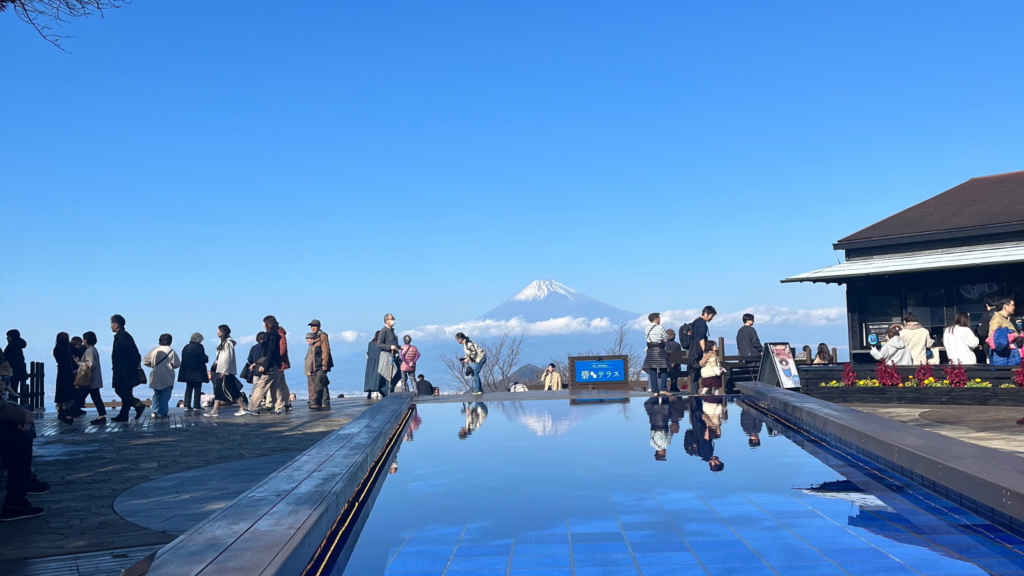
West Izu — Cliffs, Sunsets, and Hidden Gourmet Retreats
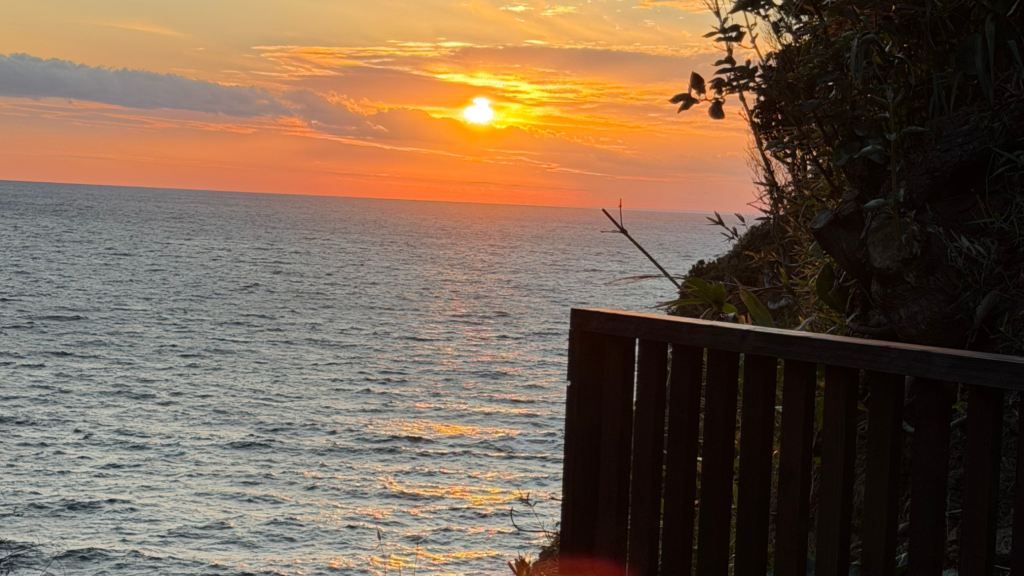
West Izu faces the open sea and is known for its rugged cliffs, spectacular sunsets, and views of Mount Fuji.
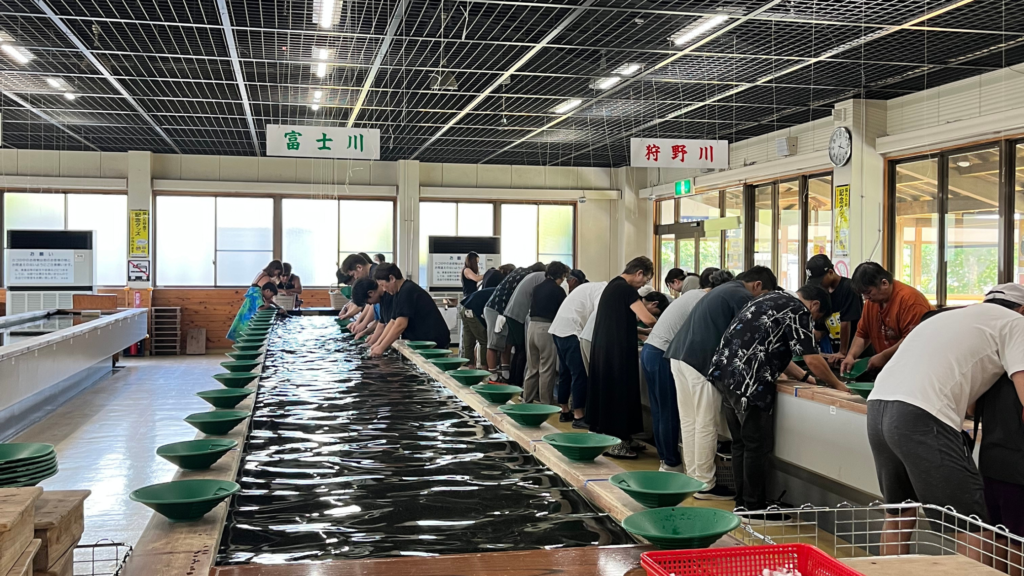
One highlight is Toi Gold Mine, once Japan’s second‑largest gold producer in the 16th century. Although the mine is no longer active, visitors can explore the tunnels and even try gold panning.
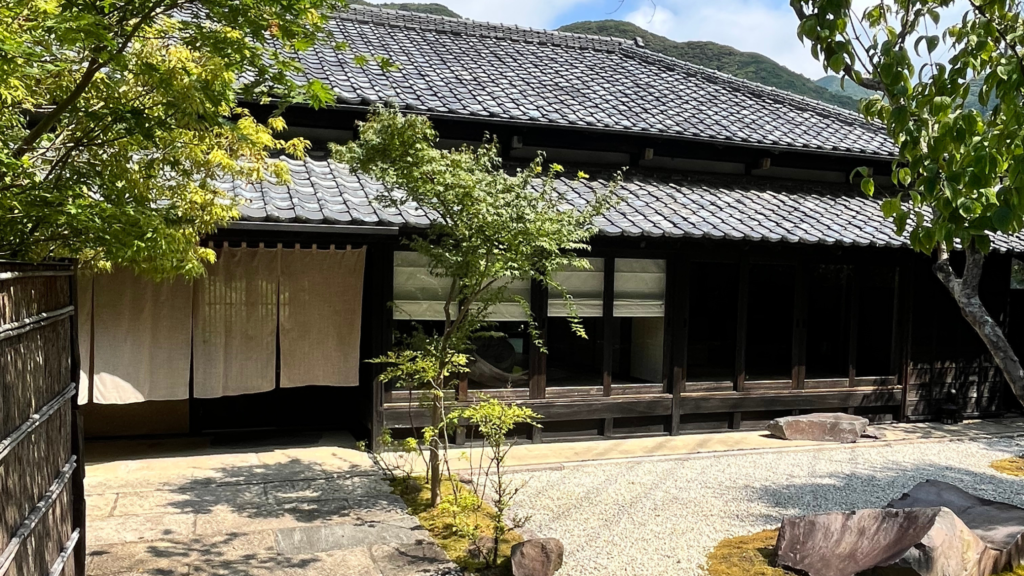
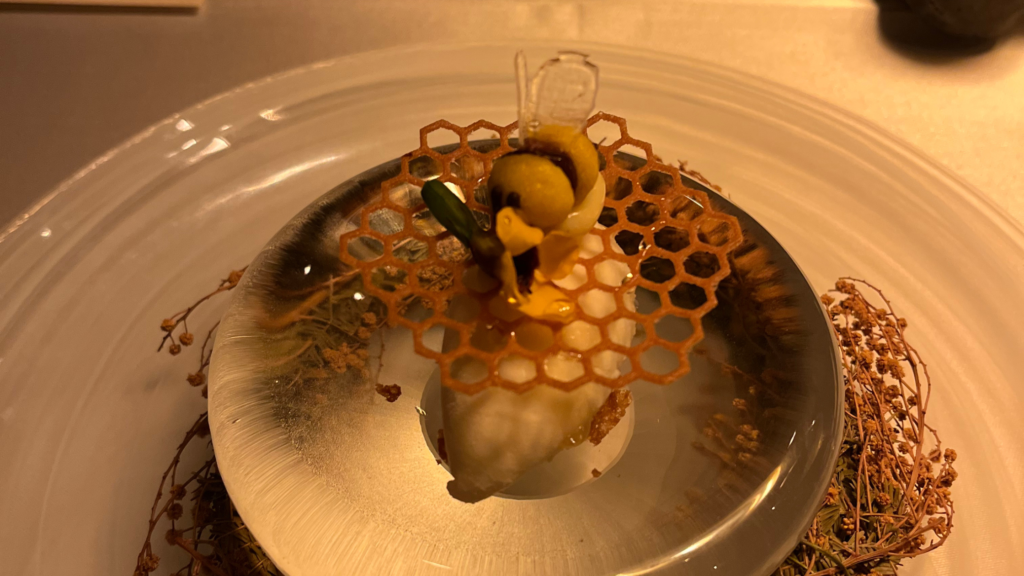
The coastline is breathtaking, especially around Dogashima, and the sunsets are unforgettable. Recently, West Izu has become known for its small, secluded inns and auberges that attract food lovers.
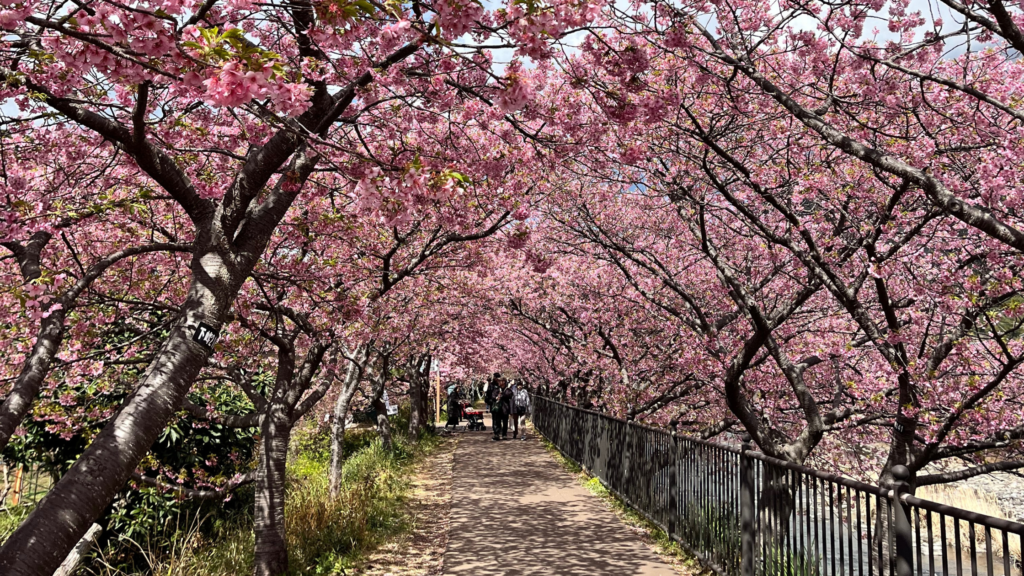
East Izu — Hot Springs, Beaches, and the Famous Kawazu Cherry Blossoms
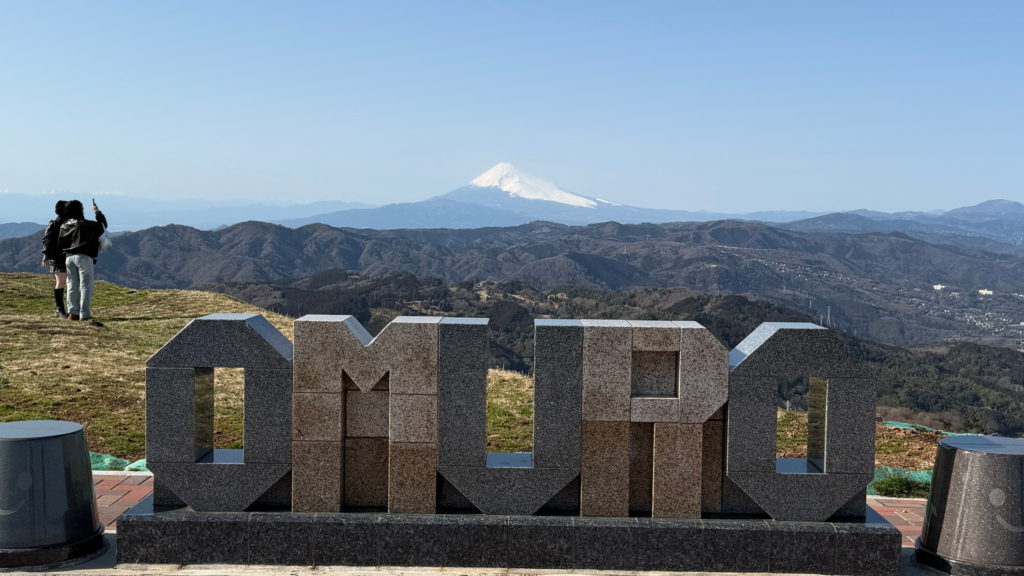
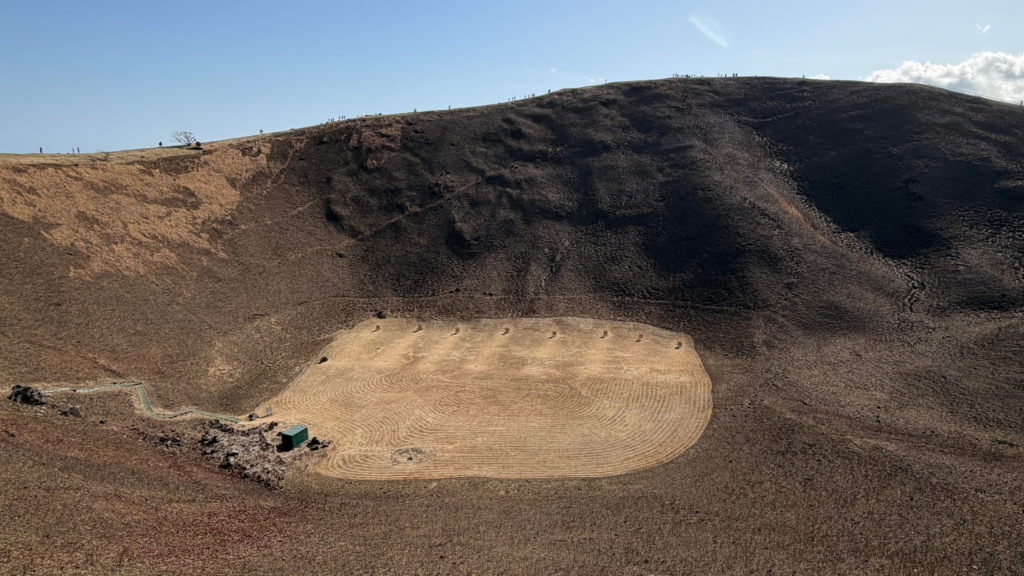
East Izu is a classic hot spring and beach resort area. You’ll find seaside public baths, golf courses, and Mount Omuro, a perfectly round extinct volcano often compared to the scenery in the film Your Name.
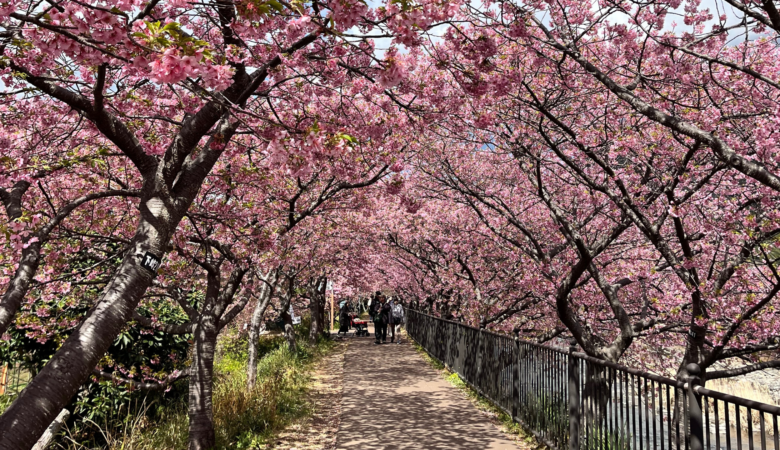
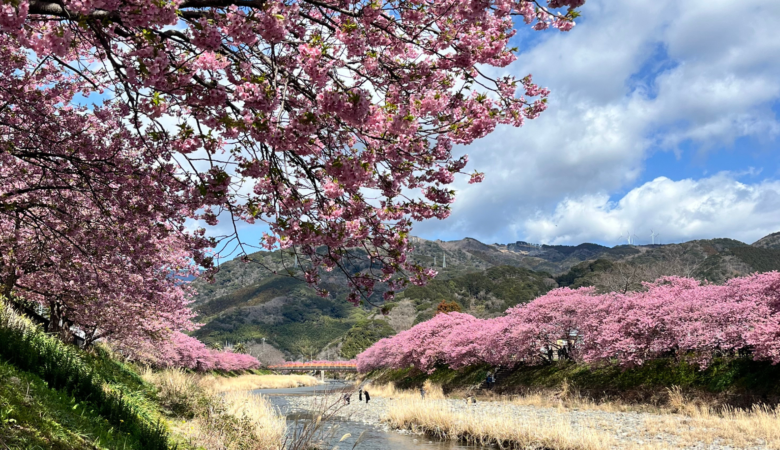
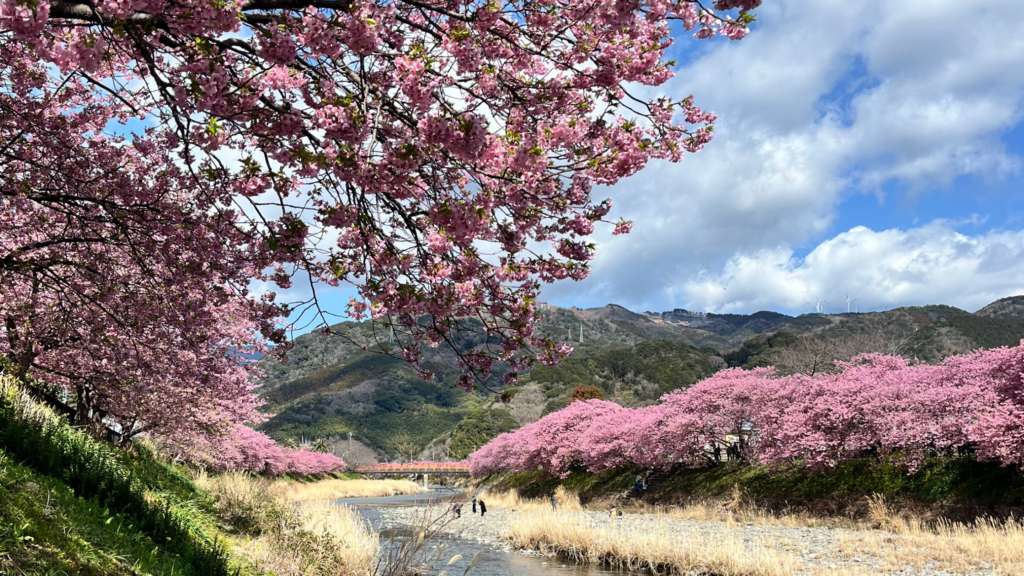
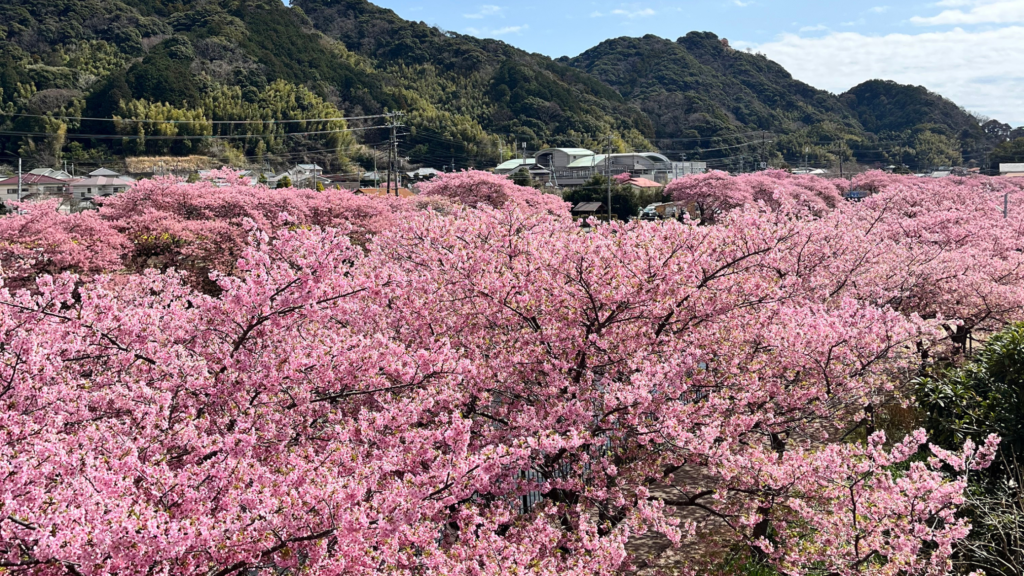
But the star of early spring is the Kawazu Cherry Blossom Festival.
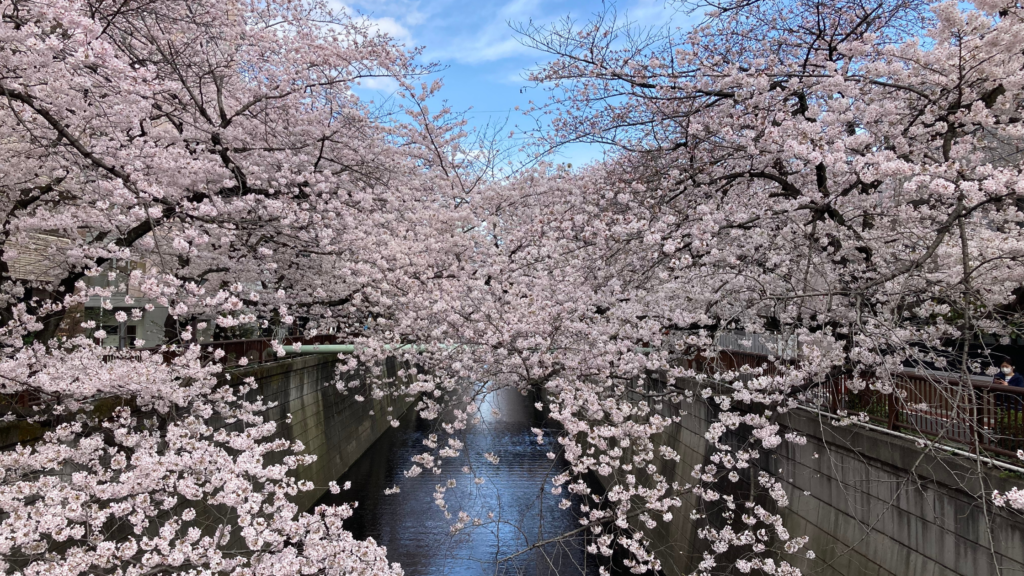
For nearly 4 km along the river, bright pink cherry blossoms bloom from mid‑ to late February. It’s one of Japan’s earliest and most beautiful sakura displays.
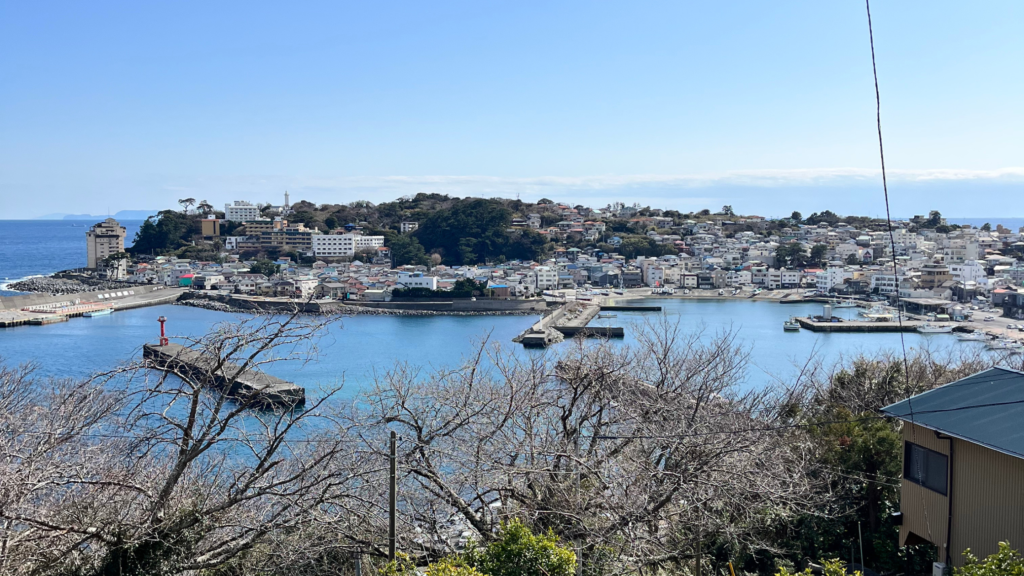
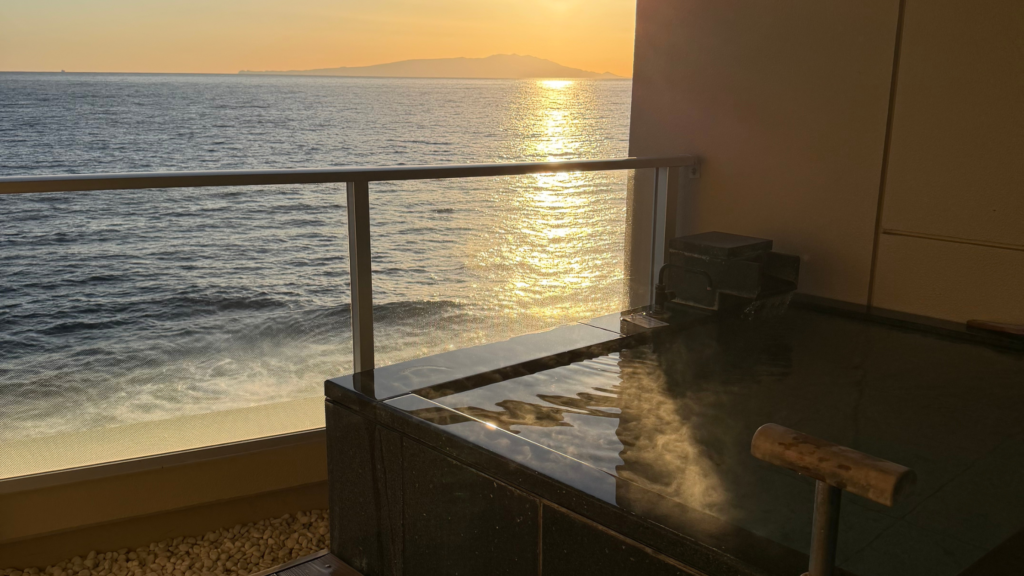
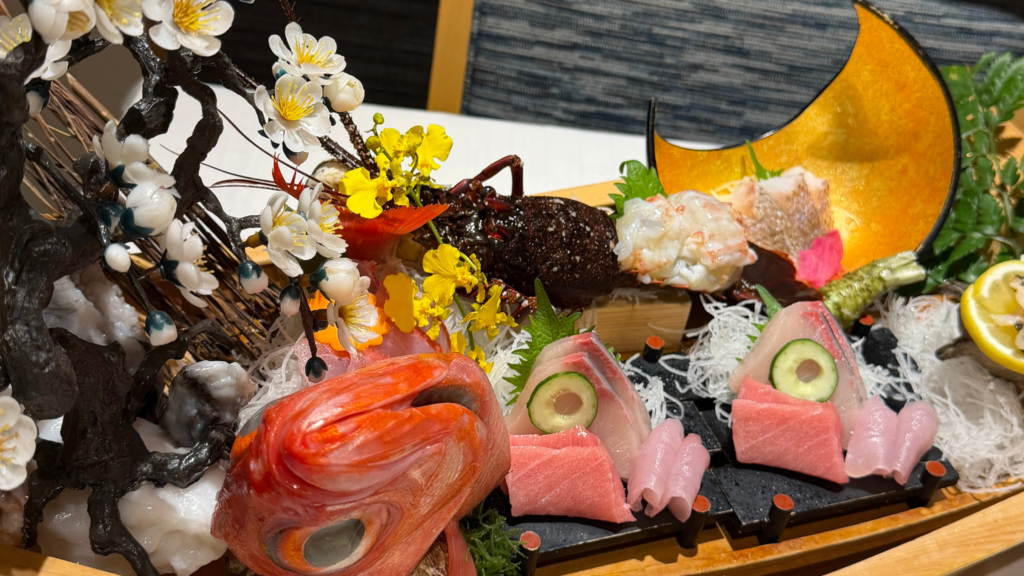
My personal recommendation is Inatori Onsen, a small fishing town known for its delicious alfonsino (kinmedai). Many inns serve exquisite seafood, and the ocean‑view hot springs are spectacular—especially at sunrise.
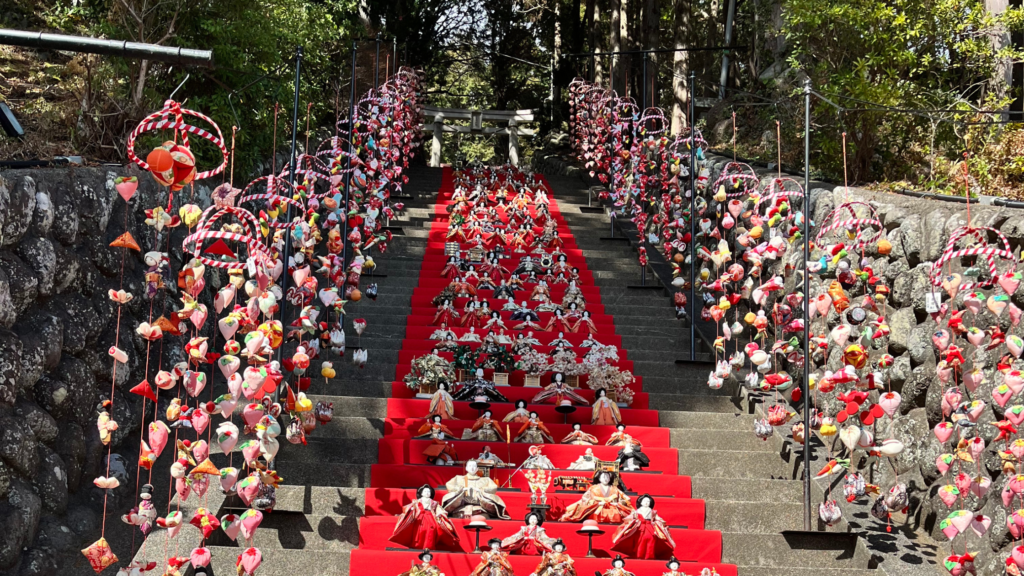
Around March 3rd, the town celebrates Hinamatsuri (Girls’ Day) with 118 stone steps decorated with hina dolls at Susano shrine. You can also see traditional handmade tsurushi‑hina ornaments, lovingly stitched by mothers wishing for their children’s healthy growth.

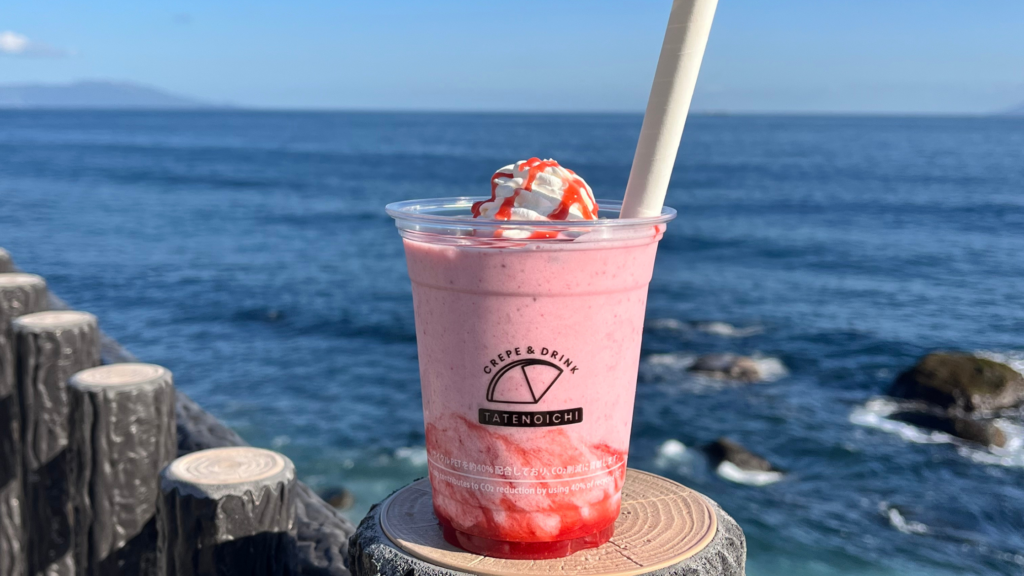
The area is also full of charming cafés using local fruit and restaurants serving fresh seafood. It’s a wonderful place to enjoy the slow pace of a fishing village.
A Final Word
This time, I introduced three regions of the Izu Peninsula.
Just 1-1.5 hour from Tokyo, Izu offers peaceful landscapes, traditional culture, and the timeless beauty of rural Japan—scenery you won’t find in the big cities.
If you’re looking for a journey that combines nature, history, hot springs, and authentic local life, early spring in Izu is the perfect escape.
Mahalo Nuiloa Local Guide support everything from creating your itinerary to accompanying you on private tours. If you want to design a trip that feels uniquely yours and discover the hidden gems locals cherish, I’d love to hear from you. Please contact us from here.