 mahalo nuiloa
Just a two‑and‑a‑half‑hour ride from Tokyo, there’s a place where time slows down and the spirit of the samurai still lingers in the air.
Welcome to Aizu, a region tucked in the heart of Fukushima, where dramatic history, warm hospitality, and untouched nature blend into one unforgettable journey.
From the moment you arrive, Aizu feels different — quieter, prouder, somehow more soulful. This is a land shaped by warriors, artisans, and farmers, and every corner whispers a story.
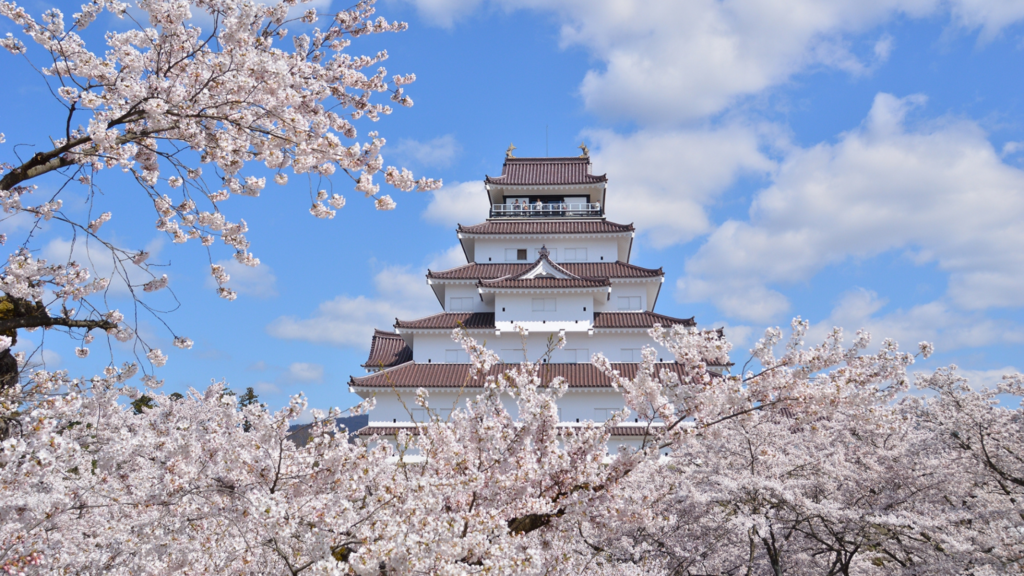
Tsuruga Castle — The Heart of Samurai Aizu
Standing tall for more than 600 years, Tsuruga Castle is the symbol of Aizu.
Its striking red‑tiled roof — rare among Japanese castles — glows beautifully in every season:
- cherry blossoms in spring,
- lush green in summer,
- fiery leaves in autumn,
- and a magical white silhouette in winter.
It was here, 150 years ago, that one of Japan’s most dramatic battles unfolded as the country stepped into the modern era. Walking through the castle grounds feels like stepping into a living history book.
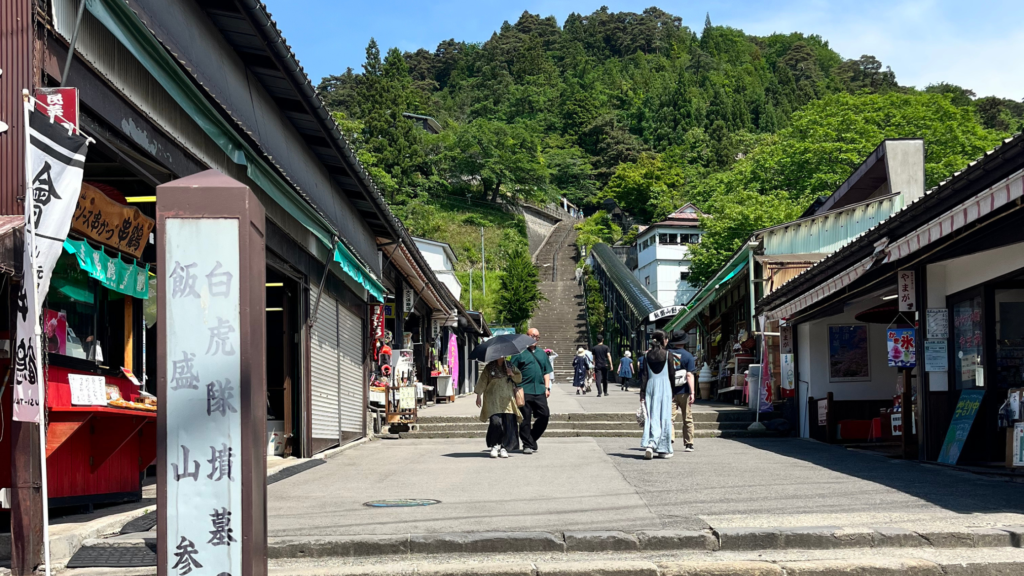
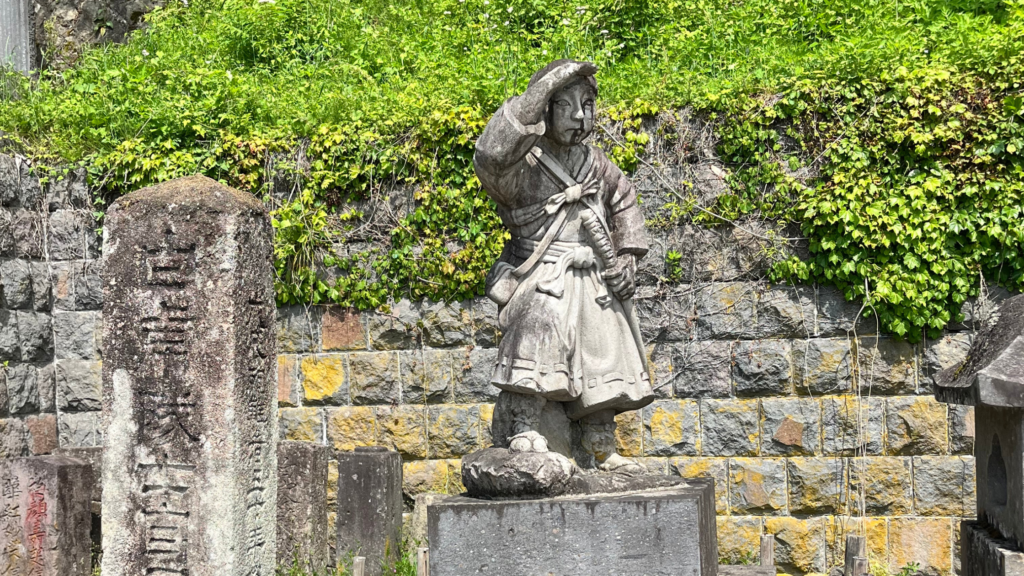
Iimoriyama — Where Young Samurai Made Their Final Stand
A short ride from the castle lies Iimoriyama, a quiet hill with a heavy past. This is where the Byakkotai, a group of teenage samurai aged just 16–17, believed their castle had fallen and chose to give their lives for their lord. The mountain is serene today, but the story lingers in the air.
Nearby stands Sazaedo, a wooden temple with a double‑helix spiral staircase — a rare architectural wonder and a designated Important Cultural Property.
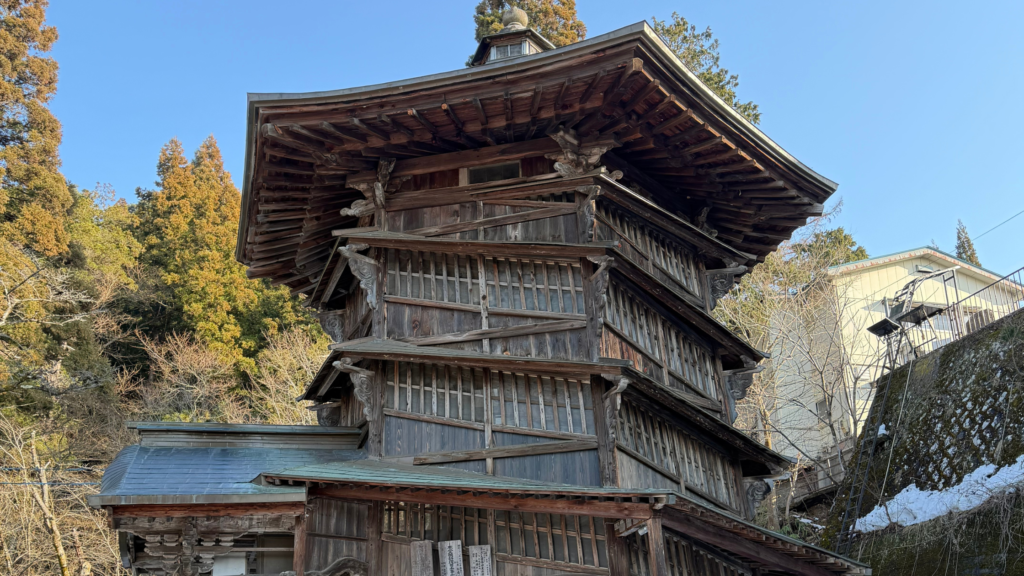
Nisshinkan — The Samurai School of Excellence
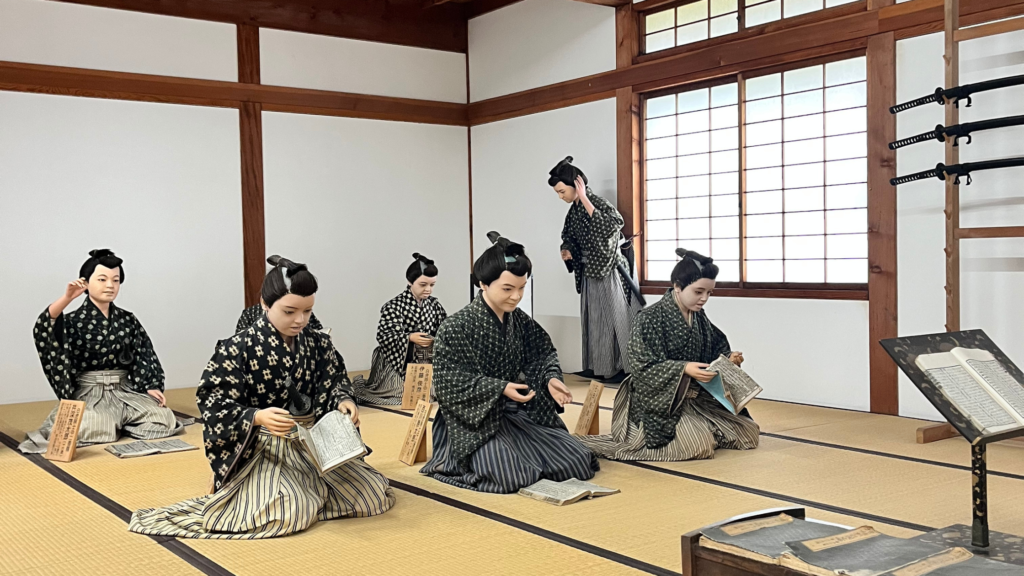
In the 19th century, Aizu was home to one of Japan’s most advanced samurai academies: Nisshinkan.
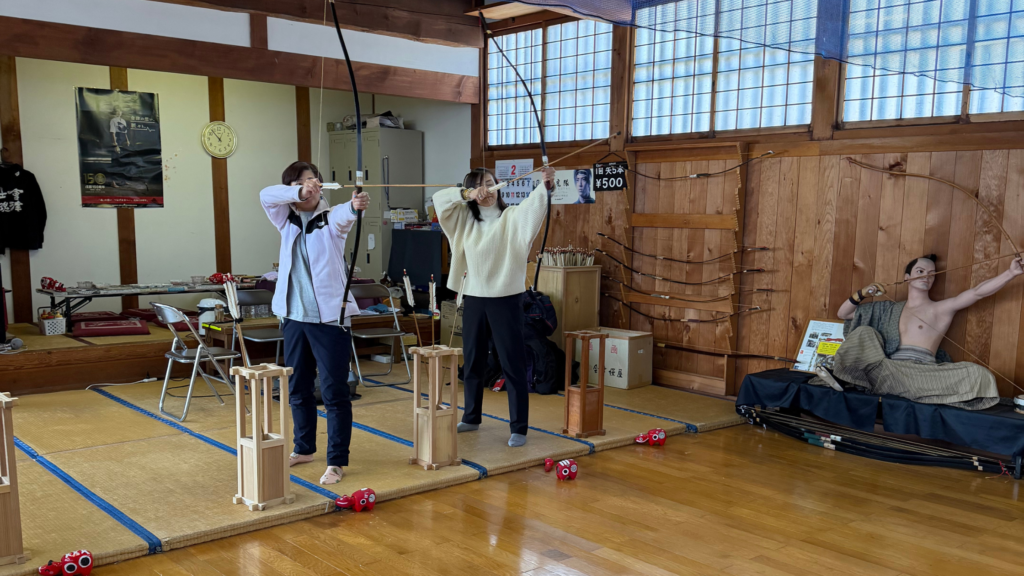
Here, boys learned not only martial arts but astronomy, medicine, and ethics.
The famous “Ten Rules of Aizu”, teaching discipline and integrity, are still passed down to children today.
The reconstructed school offers hands‑on experiences and has even become a filming location for historical dramas.
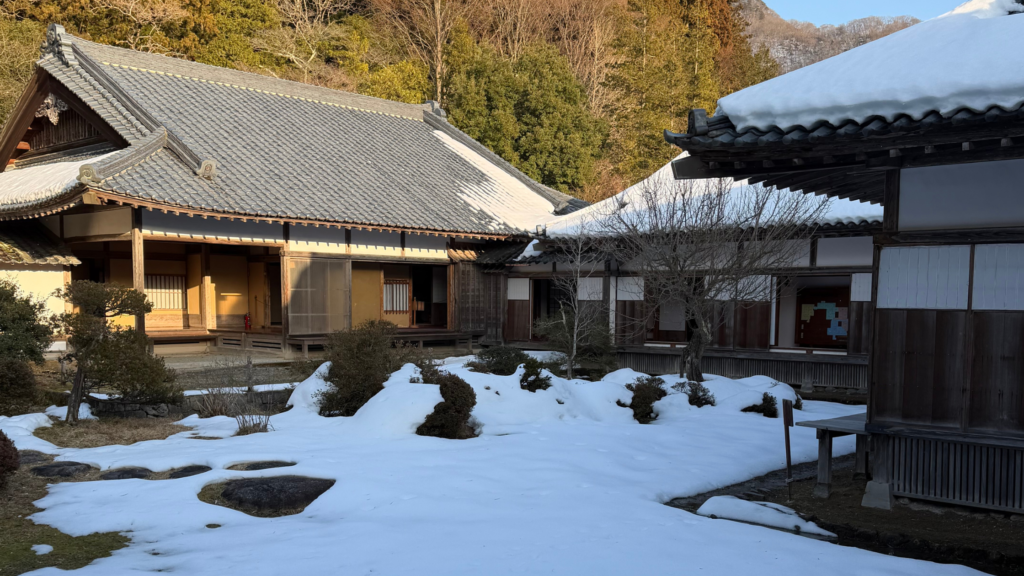
Aizu Bukeyashiki — Life Inside a Samurai Residence
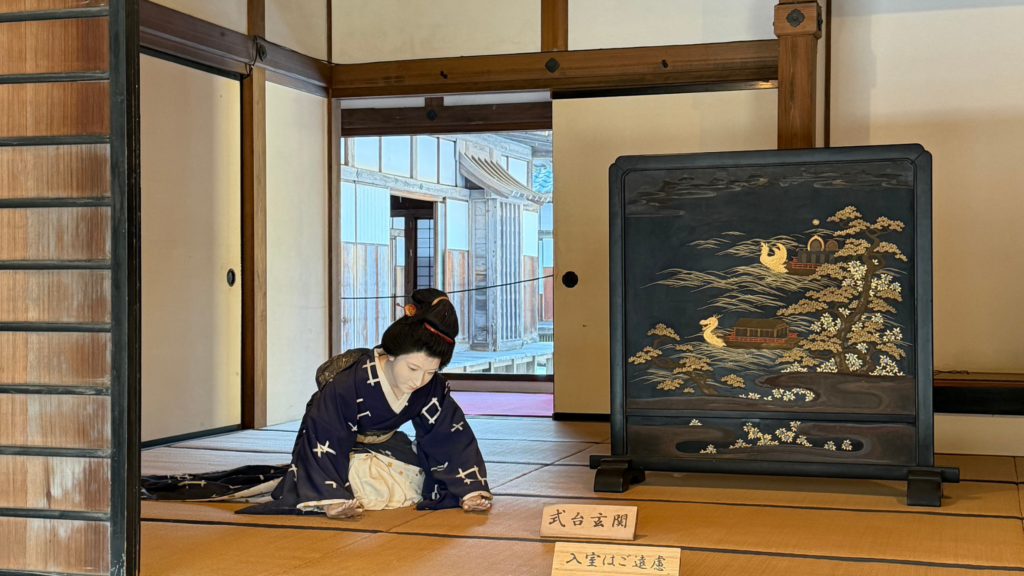
This open‑air museum recreates the world of Aizu’s warrior class.
Walking through tatami rooms, gardens, and armories, you can almost hear the footsteps of samurai families who once lived here.
Ouchi‑juku — A Time Capsule from 400 Years Ago
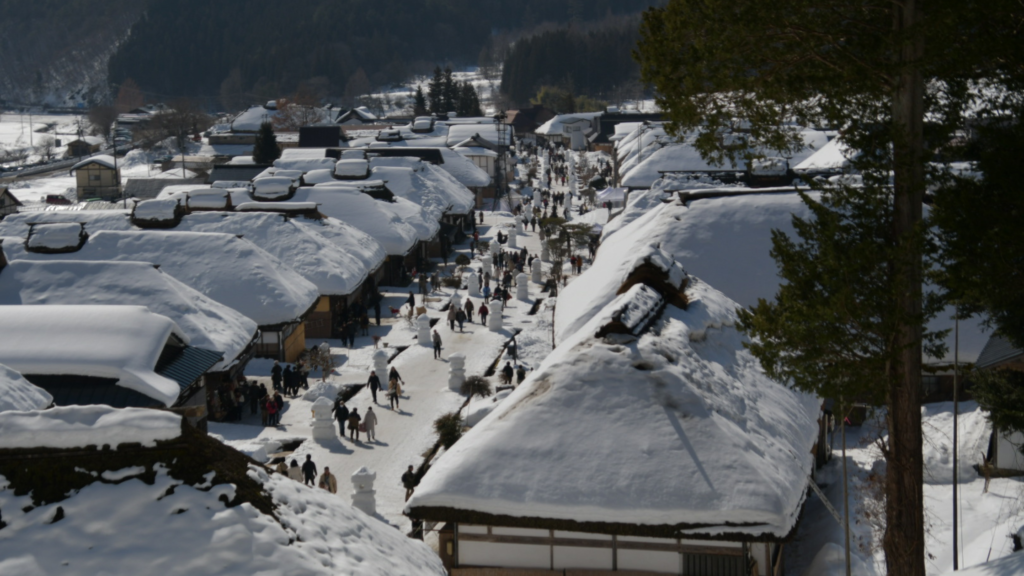
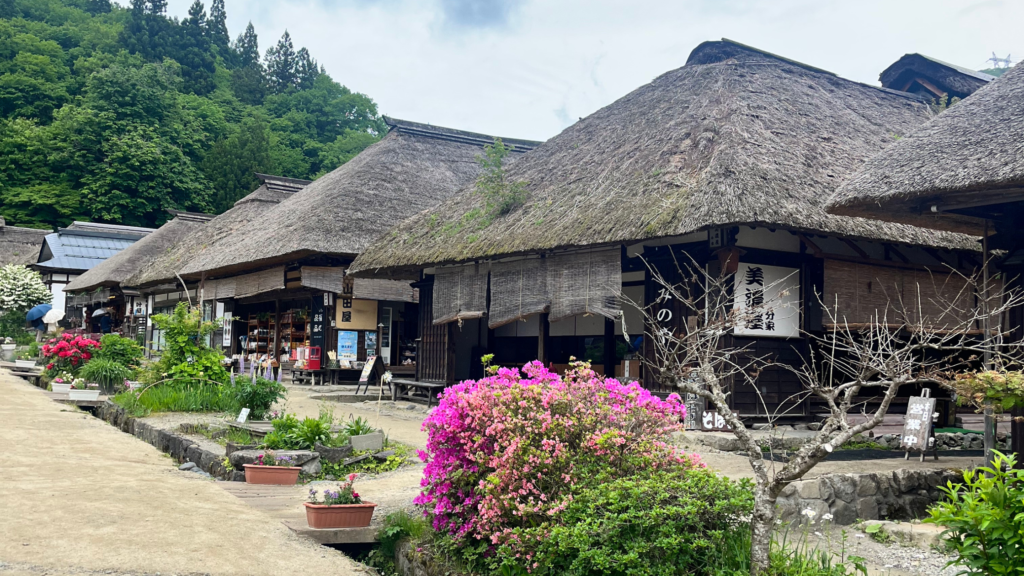
Once a vital post town connecting Aizu and Nikko,Ouchi‑juku still looks much as it did in the Edo period.(1603-1868)
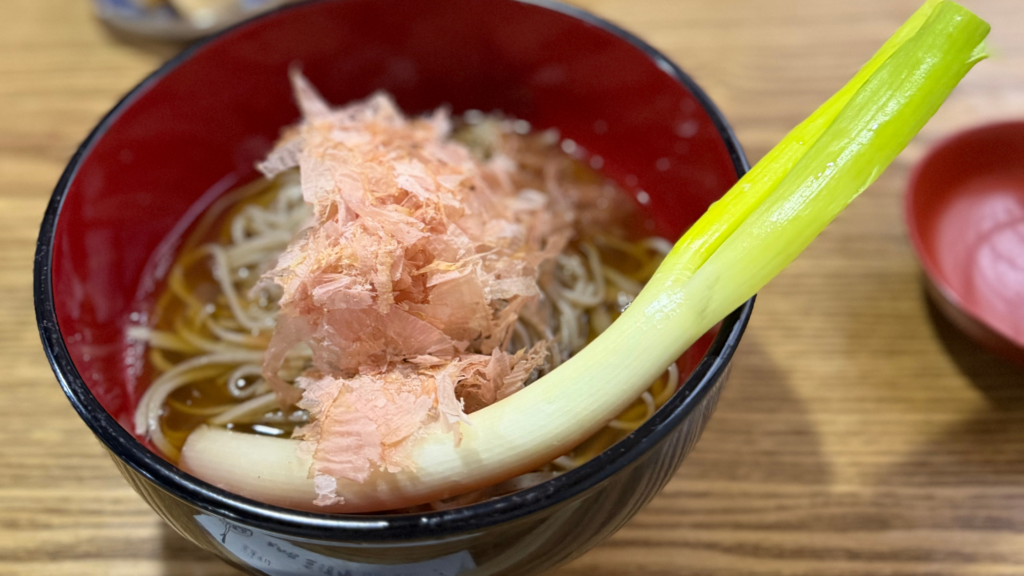
Thatched‑roof houses line a 600‑meter street filled with traditional crafts, warm mochi, and the famous “negi soba”, eaten with a long green onion instead of chopsticks.
Snowy winters are breathtaking, but spring brings flowers and soft sunlight that make the village glow.
Nanukamachi Street — Retro Charm and Local Flavor
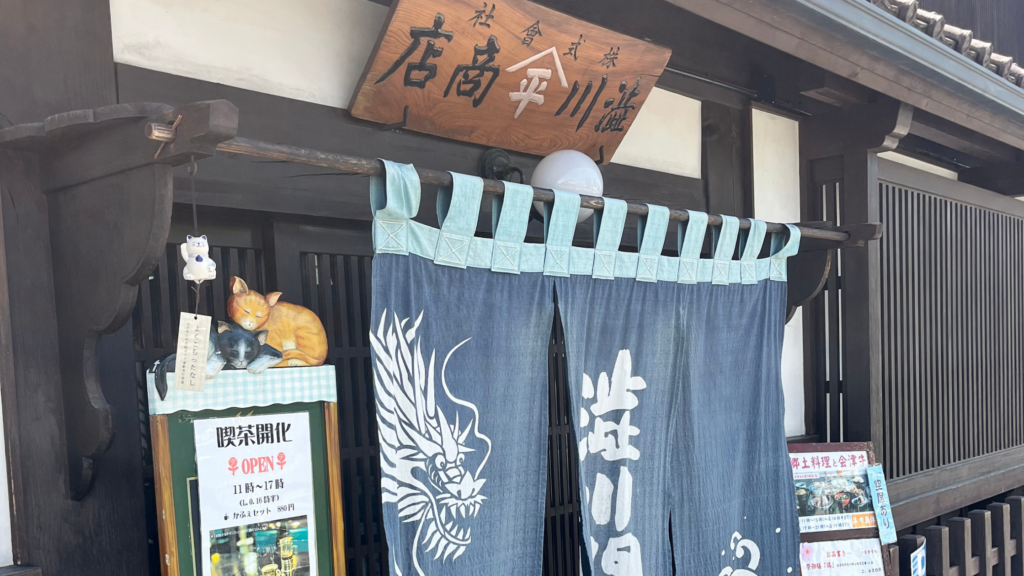
This historic merchant street is perfect for a slow stroll.
Old shops, cafés, and craft stores line the road, offering everything from Aizu lacquerware to handmade souvenirs.
It’s the kind of place where you wander without a plan and discover something delightful at every turn.
Higashiyama Onsen — A Quiet Mountain Retreat
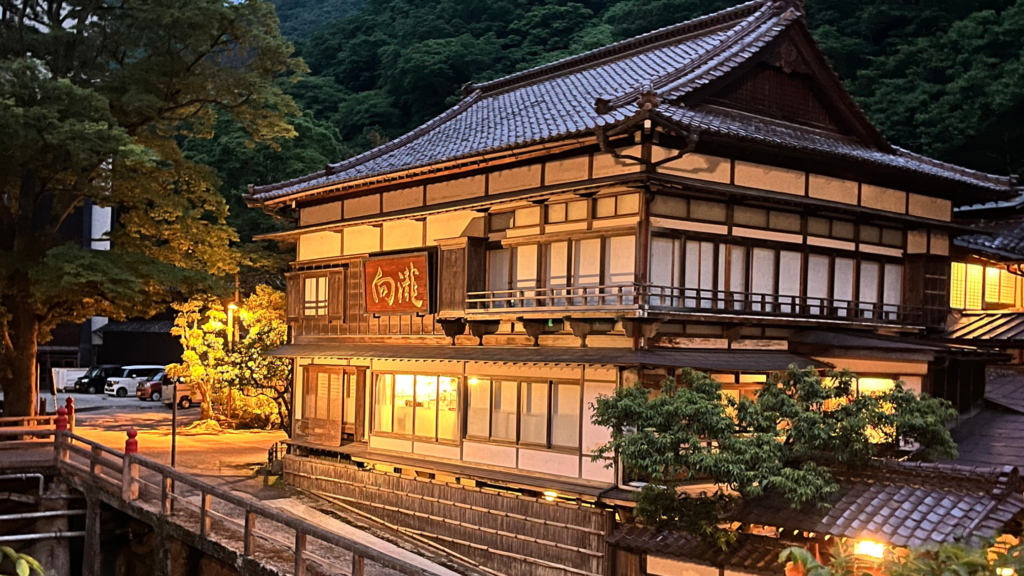
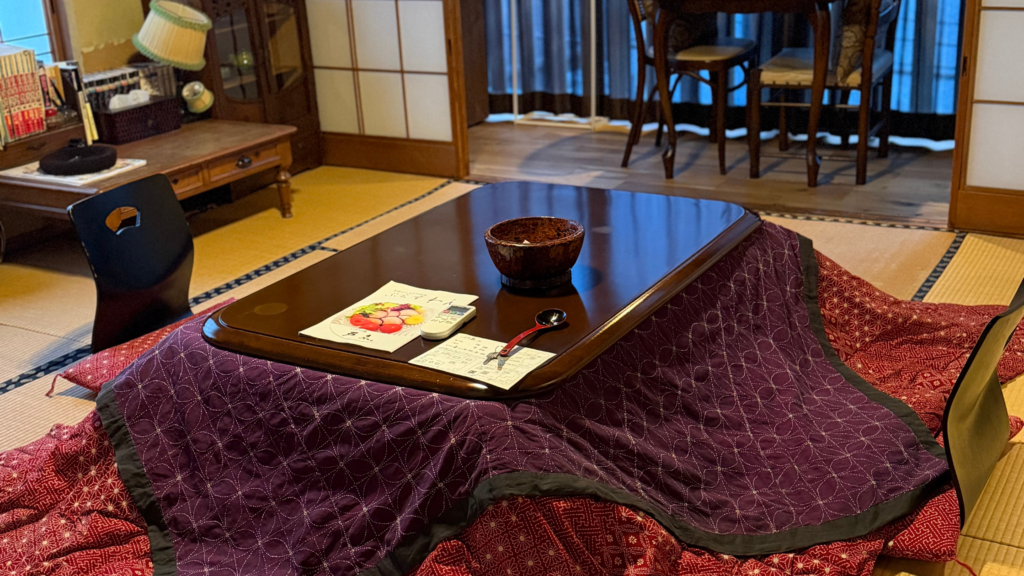
Just 10 minutes from the city center, Higashiyama Onsen has soothed travelers for over 1,300 years.
Surrounded by forest and flowing rivers, it’s no wonder famous writers came here seeking inspiration.
The gentle, slightly alkaline water leaves your skin soft and warm — a true bijin‑no‑yu, or “beauty bath.”
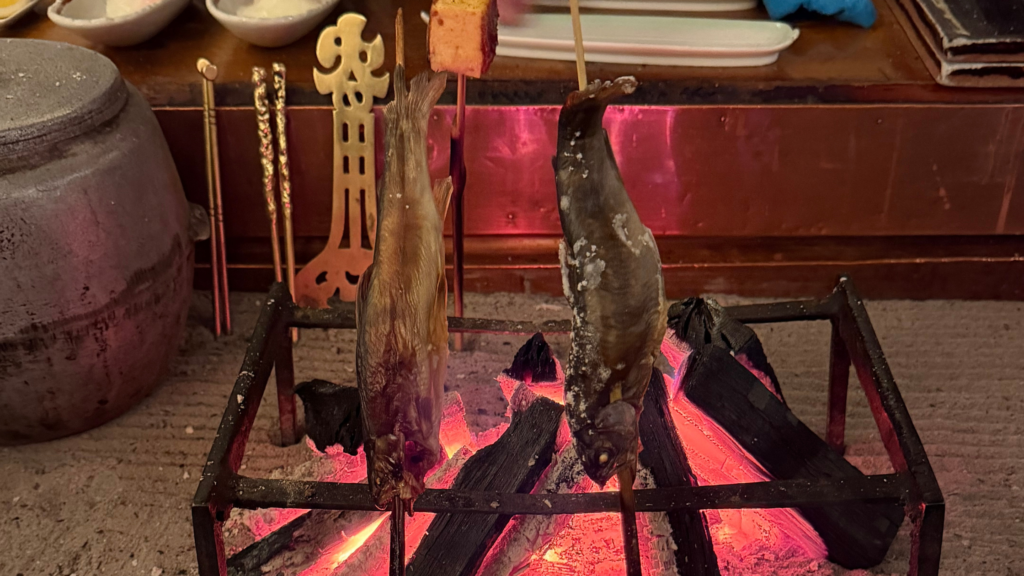
Sake, Food, and the Warm Heart of Aizu
Aizu is known for its rice — and where good rice grows, great sake follows.
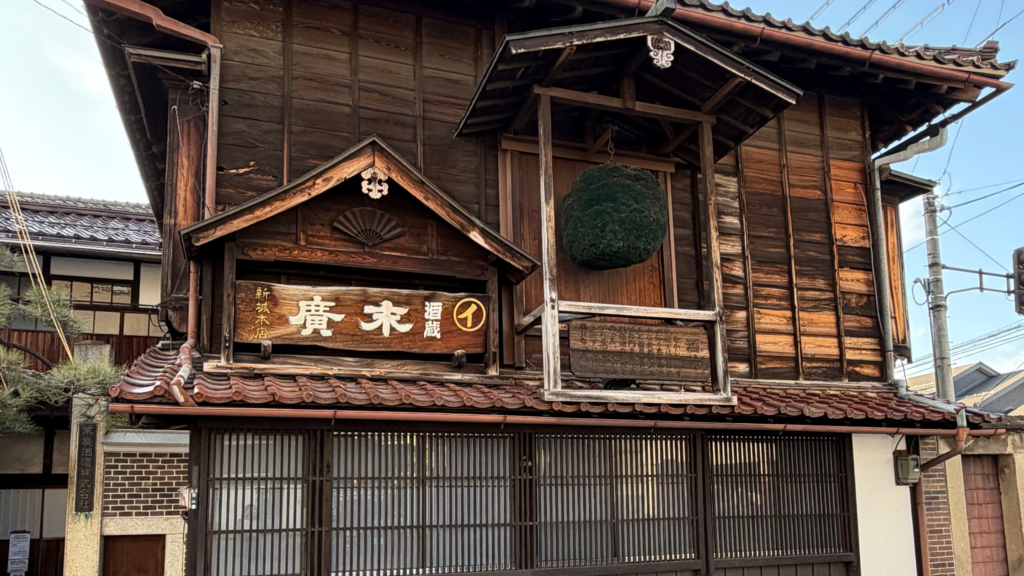
At Suehiro Brewery, founded in 1850, you can tour the historic kura and taste beautifully crafted sake.
For food, don’t miss Mitsutaya, a miso shop from 1834 where local mothers grill miso dengaku over charcoal, one skewer at a time.
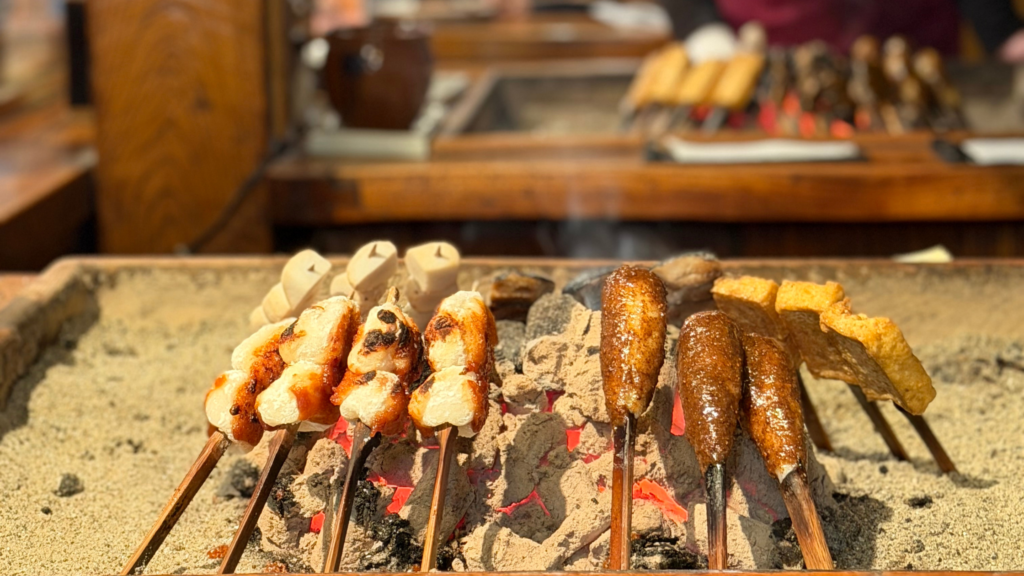
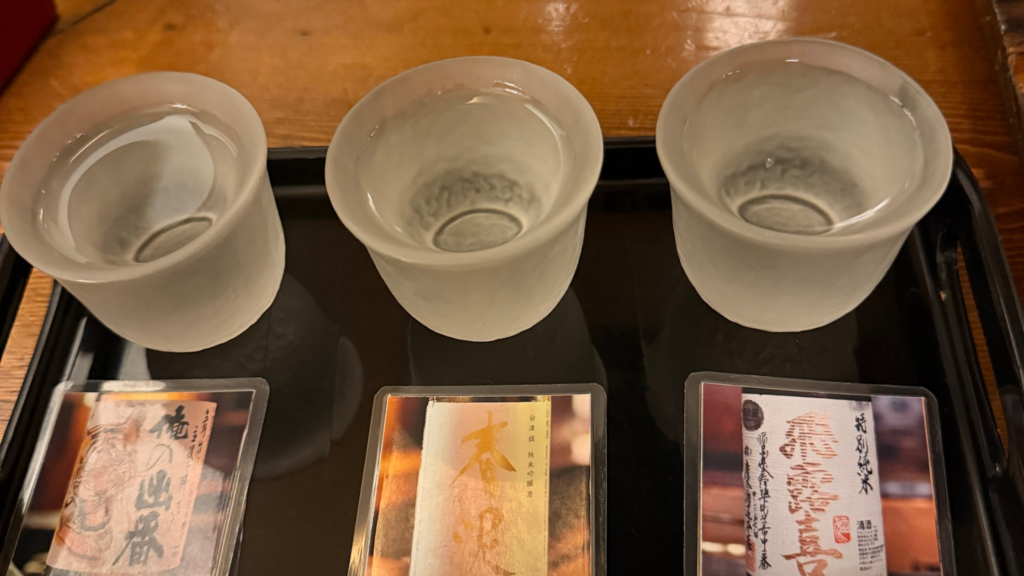
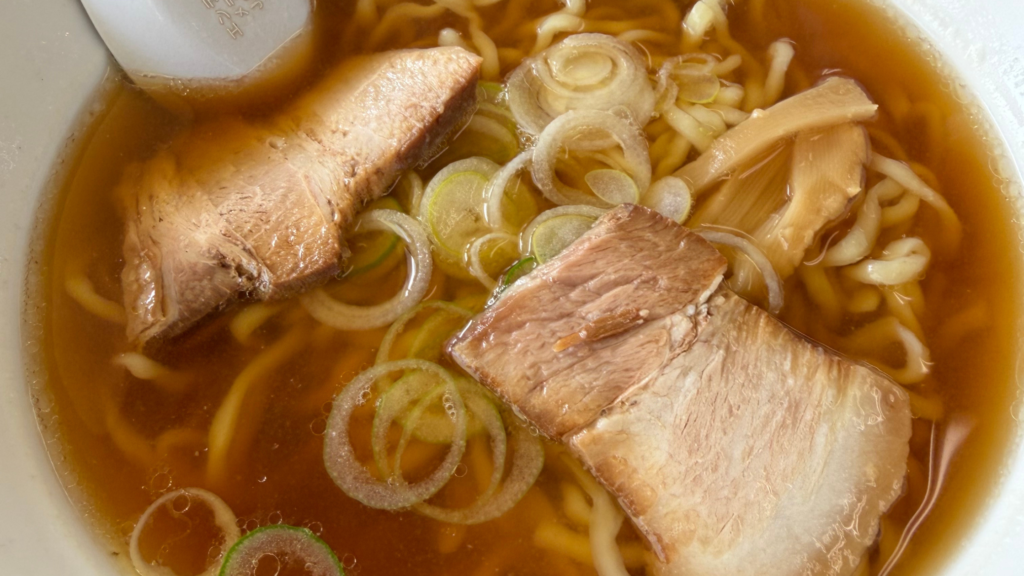
And in the evening, slip into a nostalgic izakaya, chat with locals, and enjoy dishes made from fresh regional ingredients.
Aizu people are humble, sincere, and quietly warm — the kind of hospitality that stays with you long after you leave.
Why Aizu Stays in Your Heart
Aizu is a rare place where:
- samurai culture still shapes the local spirit,
- nature and history coexist beautifully,
- food and sake are crafted with pride,
- and people welcome you with gentle warmth.
If you’re looking for a journey that feels both deeply Japanese and refreshingly authentic, Aizu is waiting — a samurai city where the past is alive, and every step feels like a story unfolding.
Mahalo Nuiloa Local Guide support everything from creating your itinerary to accompanying you on private tours. If you want to design a trip that feels uniquely yours and discover the hidden gems locals cherish, I’d love to hear from you. Please contact us from here.