
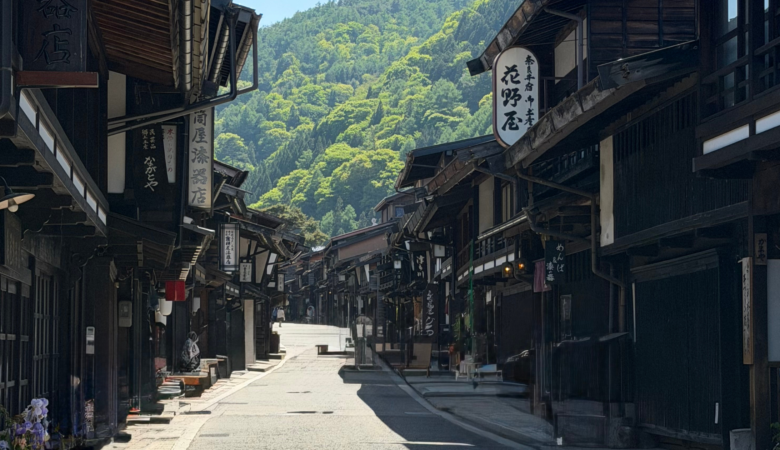
Step Into Japan’s Samurai Road — At Your Own Pace
Imagine walking through a landscape where time has barely moved for 400 years.
Where wooden inns, stone-paved slopes, and mountain silhouettes whisper stories of samurai, merchants, and travelers who once crossed Japan on foot.
This is the Samurai Road — a beautifully preserved section of the historic Nakasendo, one of the five major highways built during the Edo period. Today, many visitors hike the full 9 km between Magome and Tsumago, but you don’t need to be a hiker to enjoy its charm.
In this guide, you’ll discover how to explore Magome, Tsumago, and Narai-juku easily and comfortably, while still soaking in the magic of old Japan.
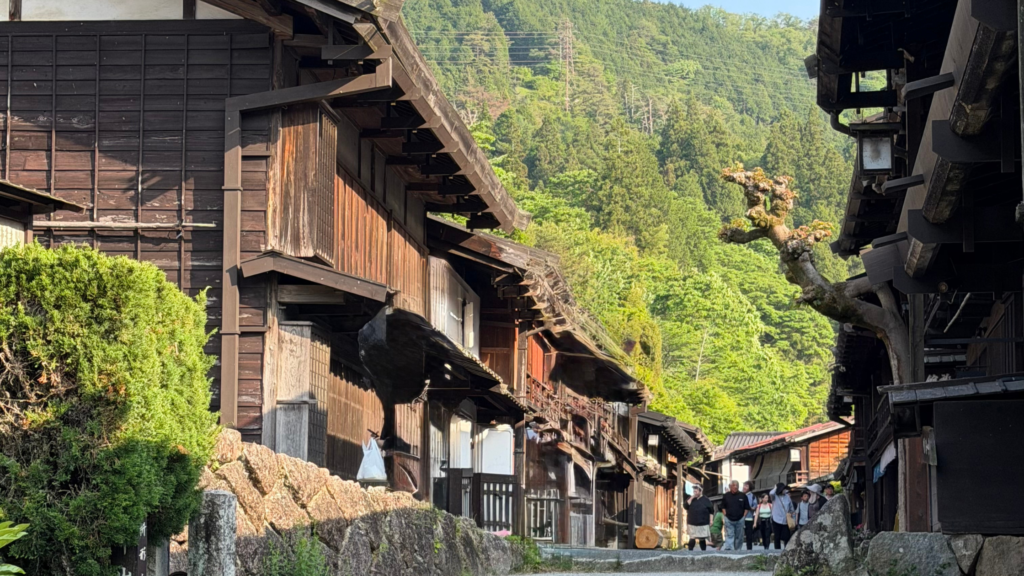
What Is the Samurai Road?
During the Edo era, the Nakasendo connected Kyoto and Edo (Tokyo), stretching across 69 post towns. These towns offered lodging, meals, and rest to travelers — a lifeline for people journeying through rugged mountains.
Most of these towns have disappeared.
But a few precious ones remain, lovingly preserved by local communities.
Among them, Magome, Tsumago, and Narai-juku are the crown jewels.
Three Post Towns You Can Explore Without Hiking
Magome-juku — The Slope Town With a View
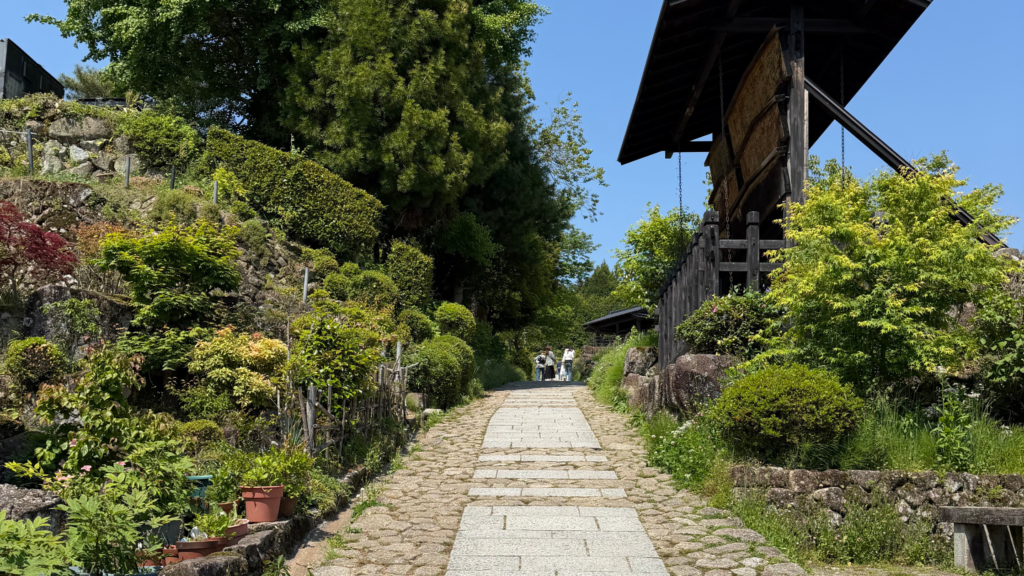
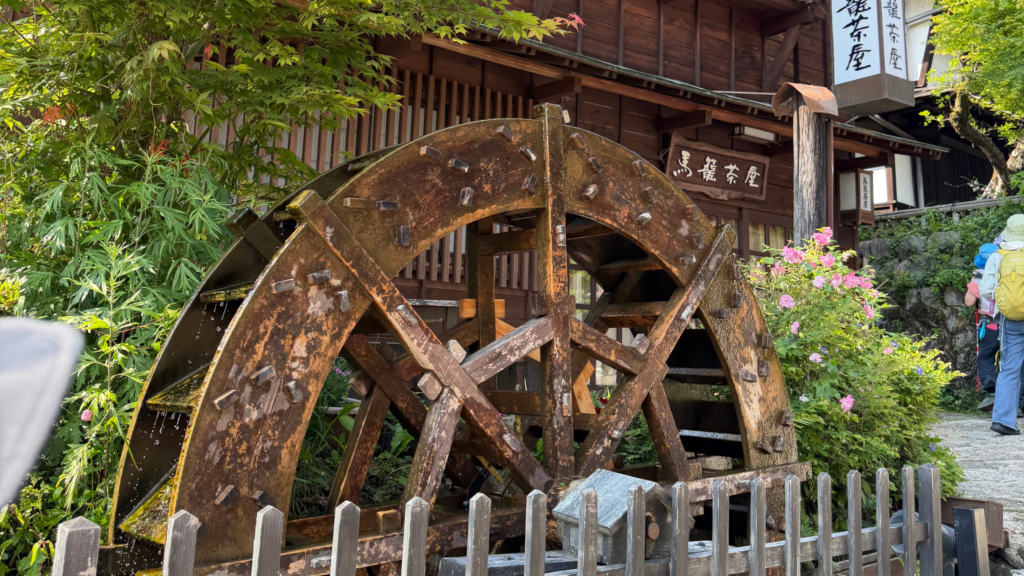
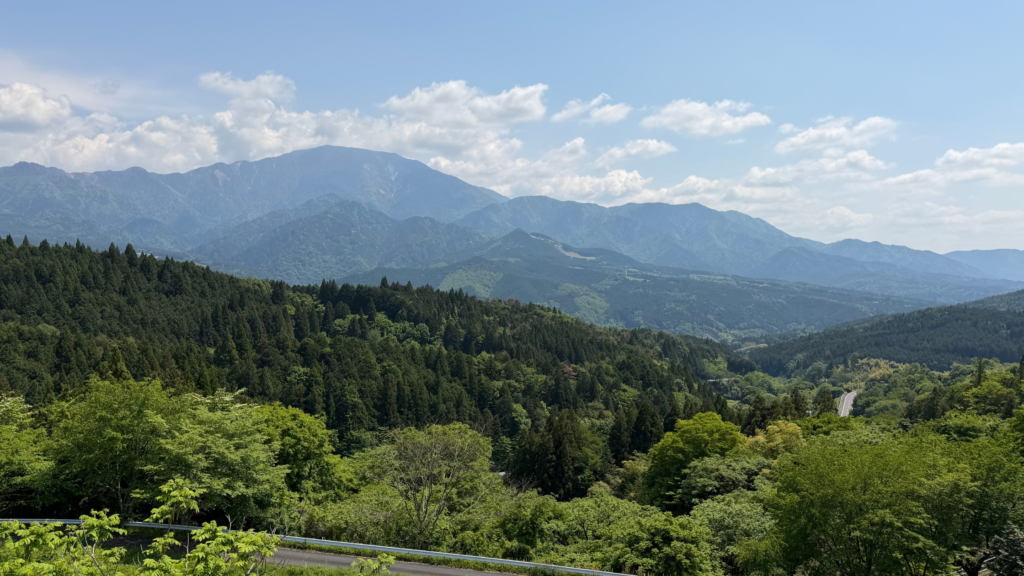
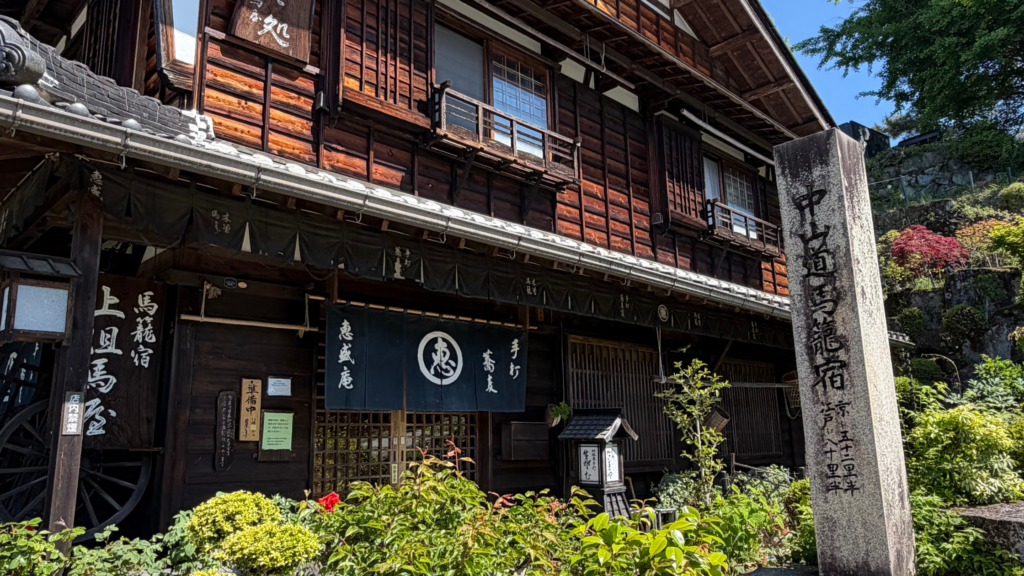
Magome is the 43rd post town of the Nakasendo, famous for its 600-meter stone-paved slope lined with traditional inns, cafés, and craft shops. As you climb the slope, you’ll pass an old Edo-era notice board and eventually reach a viewpoint overlooking Mt. Ena. The scenery instantly transports you into the world of ancient travelers who once crossed these mountains on foot.
Magome is also the starting (or ending) point of the popular 9 km Samurai Road hike — but you can simply enjoy the town itself at your own pace.
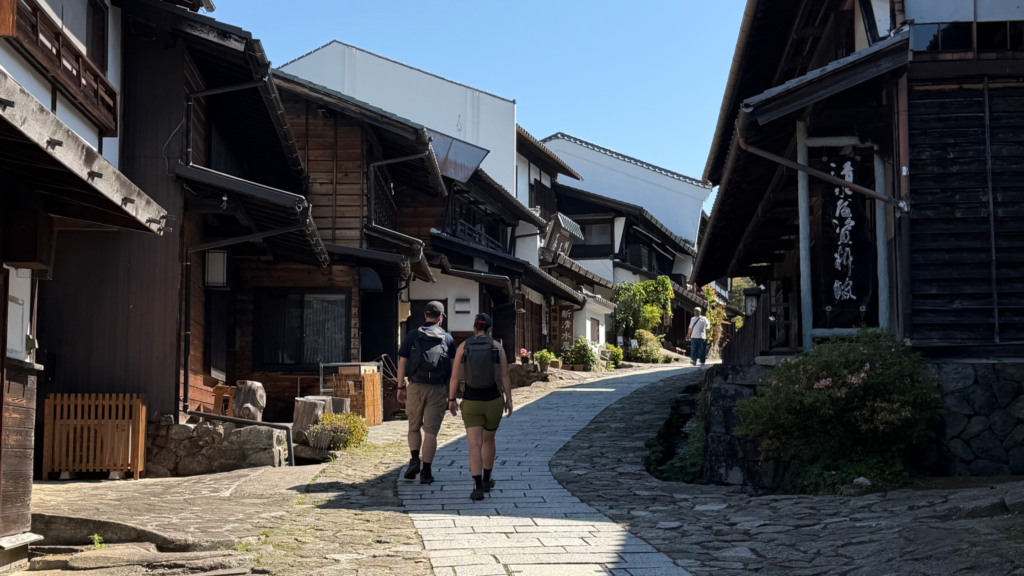
Tsumago-juku — Japan’s First Preserved Post Town
Just 9 km from Magome lies Tsumago, the 42nd post town.
It is known worldwide as Japan’s first town to be fully preserved, making it a favorite among history lovers.
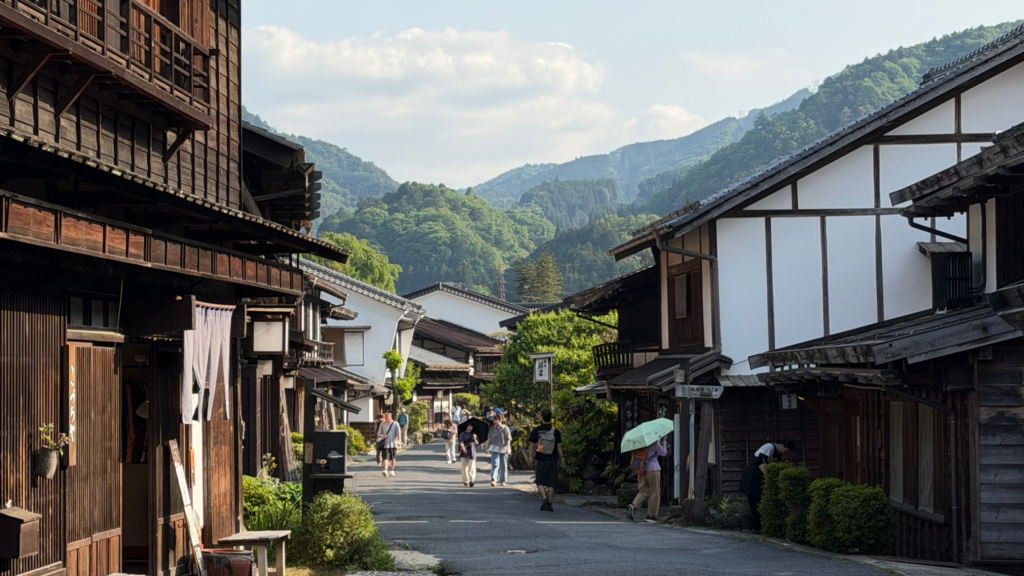
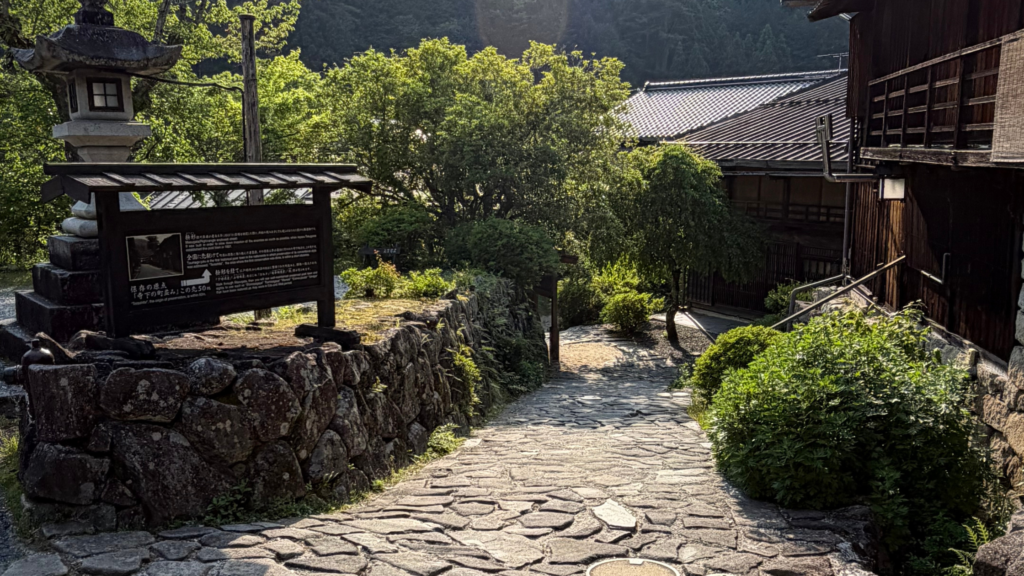
The main street is compact — about 800 meters — but packed with charm:
wooden houses, local eateries, souvenir shops, and quiet corners where time seems to stand still.
It’s the perfect place for a slow, atmospheric stroll.
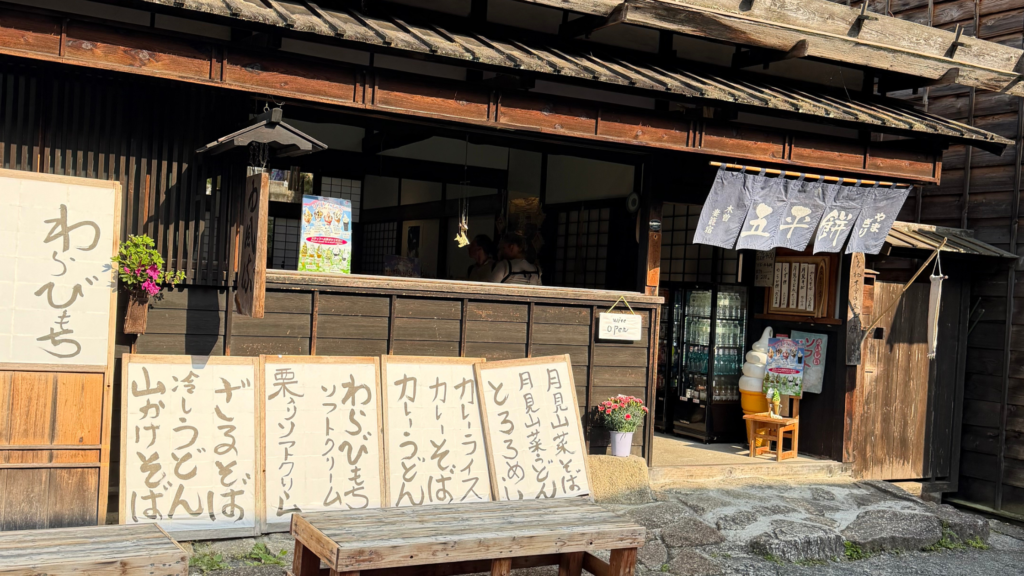
Narai-juku — The Longest Post Town in Japan
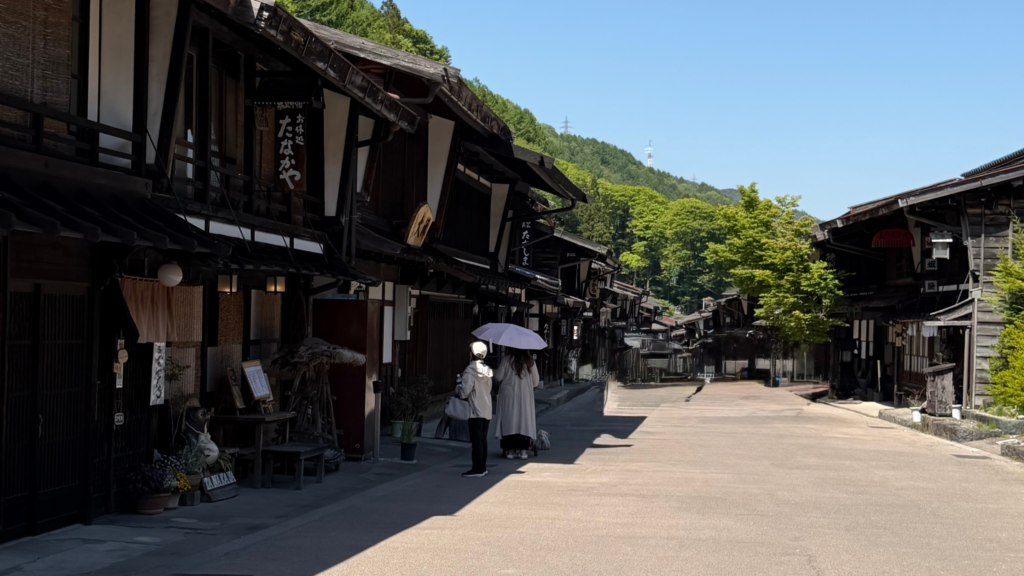
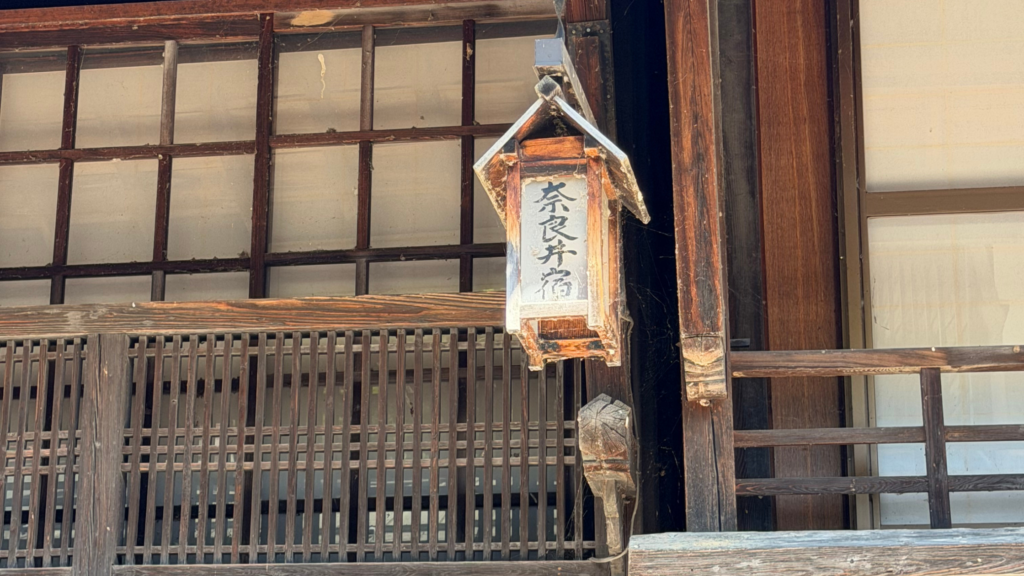
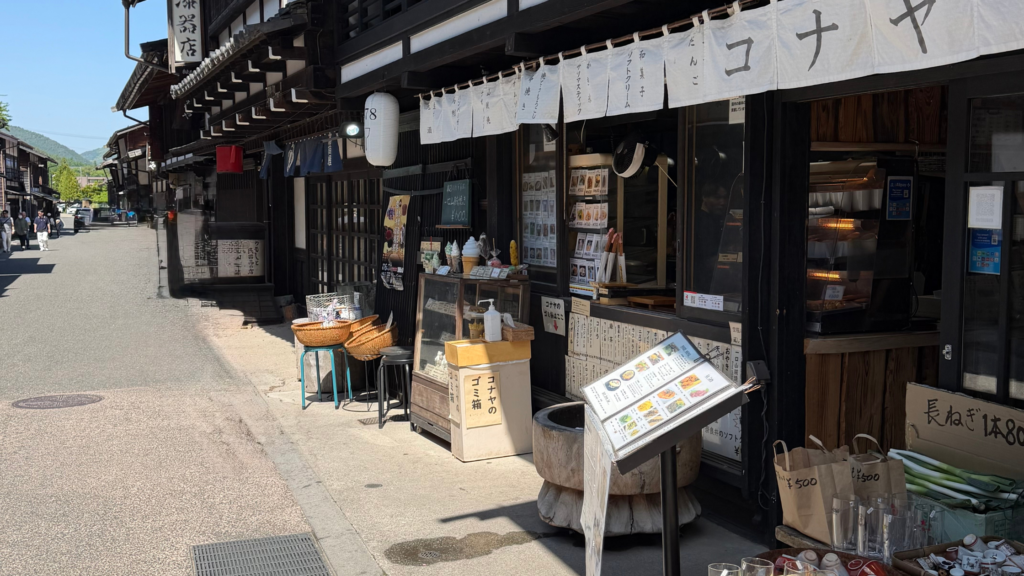
Narai-juku, the 34th post town, is breathtaking in scale.
It stretches longer than any other preserved post town in Japan, with rows of dark wooden buildings framed by dramatic mountain scenery. Photographers adore this place — every angle feels like a postcard.
Best of all, Narai Station is right next to the town, making access incredibly easy.
You can even stop by on your way to Matsumoto.
Can You Stay Overnight?
Absolutely.
Each town offers traditional inns where you can experience the quiet, lantern-lit atmosphere of a post town after dark — something day-trippers never see.
Because these inns are very popular, early reservations are highly recommended.
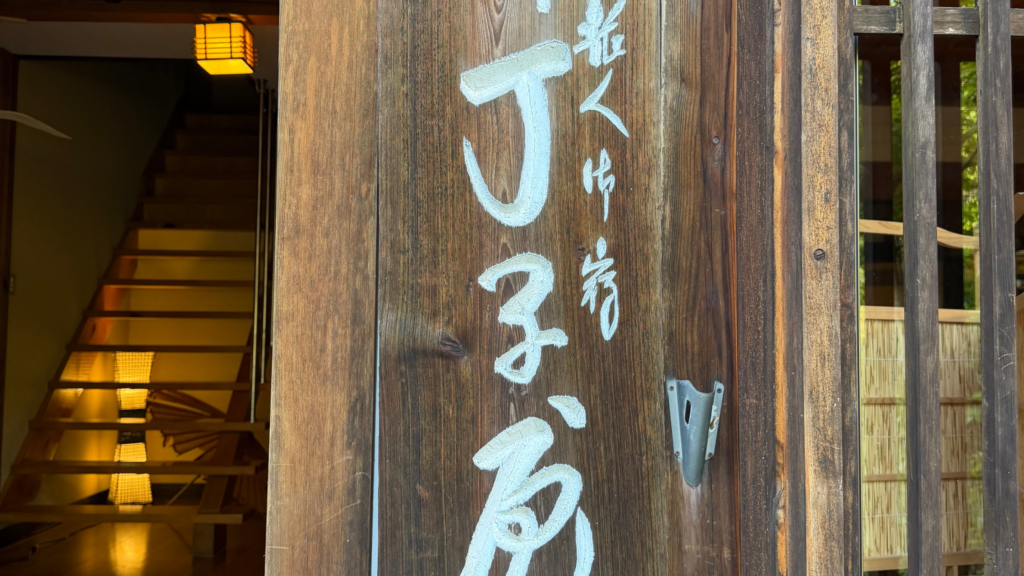
If Magome or Tsumago are fully booked, staying in Nakatsugawa is a great alternative, with easy access to Magome and its own historic charm.
How to Get Around (Easy & Stress-Free)
From Nagoya
Getting to the Samurai Road area is surprisingly simple.
You can take a limited express train from Nagoya to Nakatsugawa in just 50 minutes.
From there, Magome is only a short ride away.
Magome
- From Nakatsugawa Station
- Taxi: ~15 minutes
- Bus: ~25 minutes (about once per hour)
Between Magome and Tsumago
- Distance: ~9 km
- Travel easily by bus or taxi instead of hiking
- From Tsumago, take a ~10-minute taxi to Nagiso Station, then continue toward Narai
Narai-juku
- Located right next to Narai Station
- 30 minutes to Shiojiri
- 1 hour to Matsumoto
- 2 hours back to Nagoya
How to Enjoy the Samurai Road Without Hiking
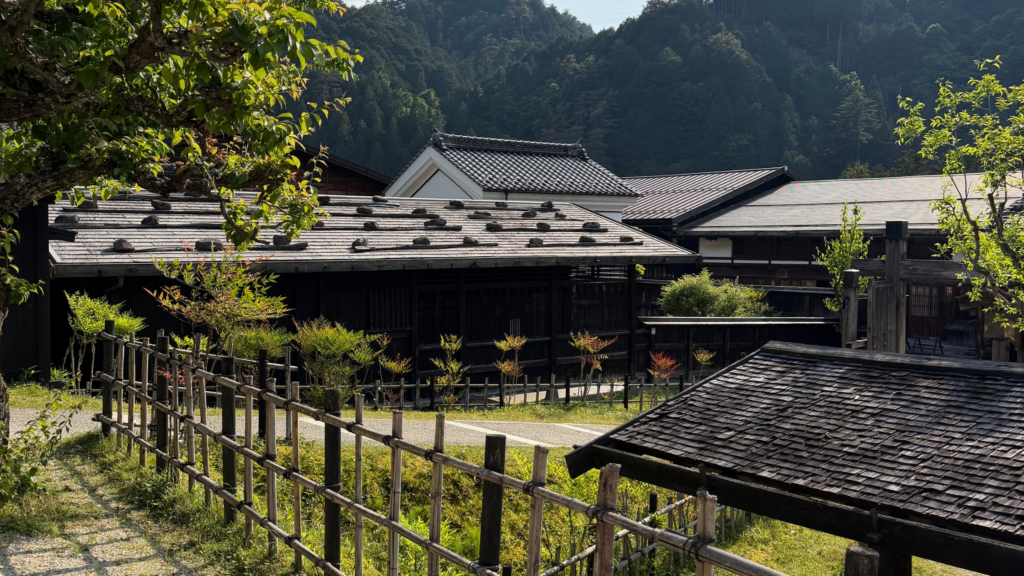
- Wander the streets at your own pace
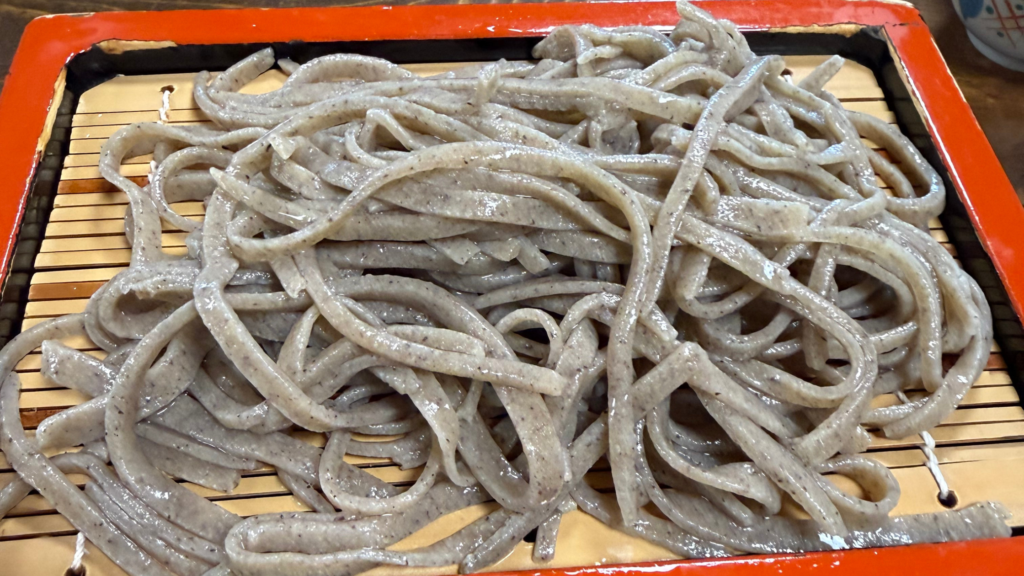
- Try local specialties in old-style teahouses
- Visit small museums to glimpse Edo-era life
- Take stunning photos of wooden architecture and mountain scenery
- Rent an e-bike in Magome and ride to Tsumago
- Hire a taxi from Nakatsugawa for a relaxed half-day trip
What About Luggage?
No worries.
Both Magome and Tsumago offer luggage delivery services to Tsumago or Nakatsugawa, plus temporary storage.
Narai-juku also has storage at the station and tourist center.
You can explore completely hands-free.
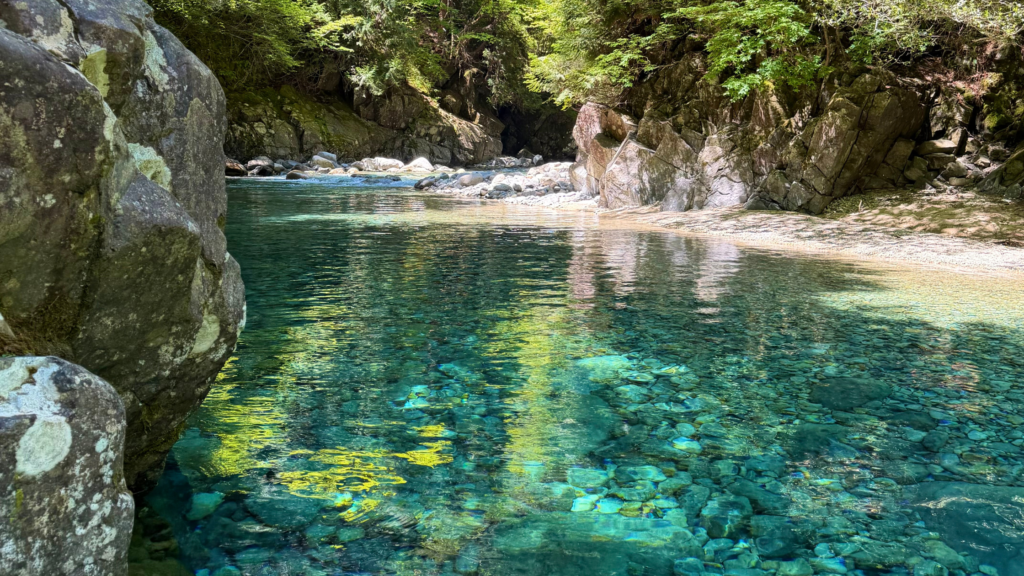
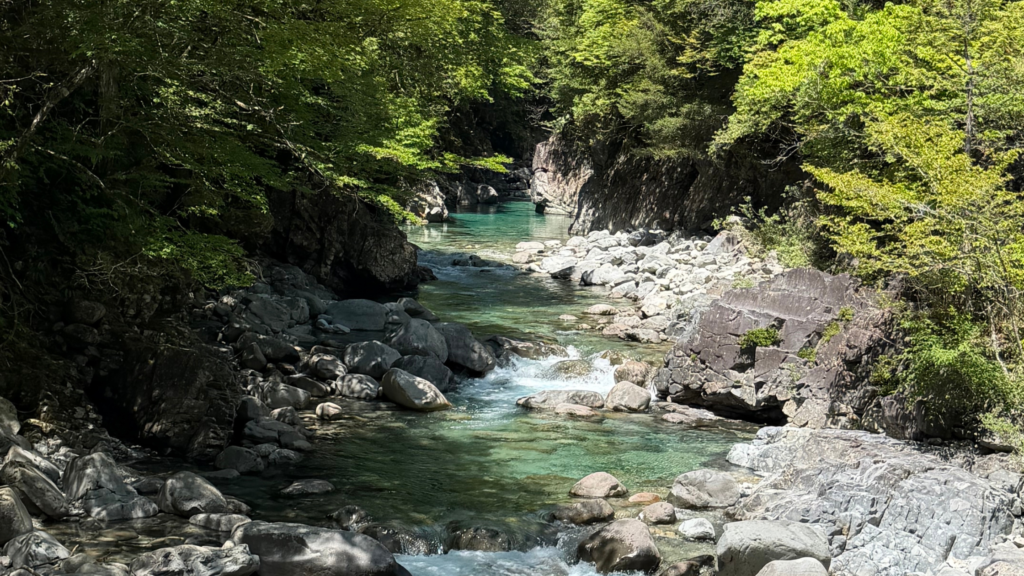
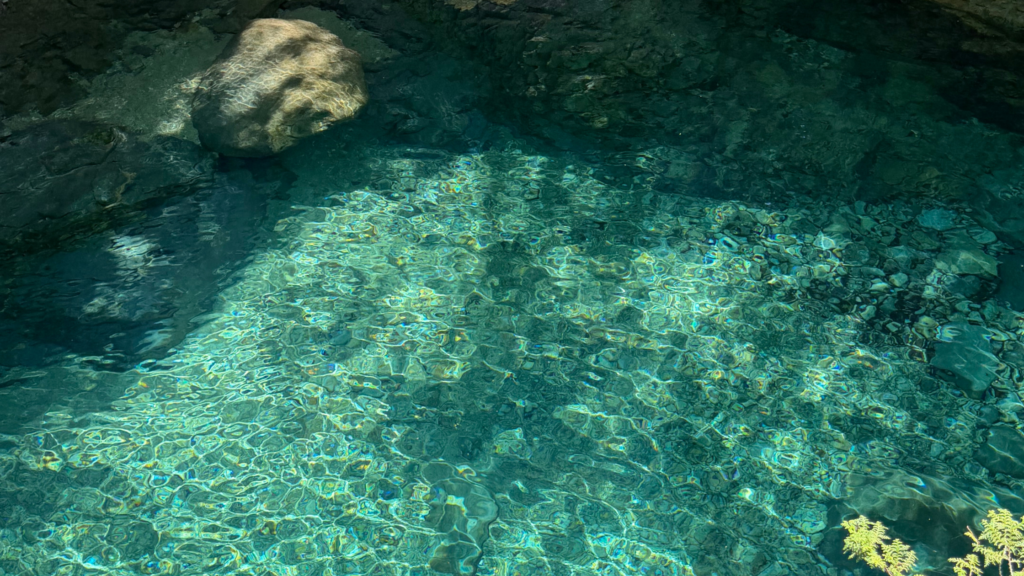
Bonus Spot: Atera Valley
Just 20 minutes from Tsumago by car lies Atera Valley, famous for its unreal emerald-green water.
If you stay overnight in the area, visiting in the quiet morning light is unforgettable.
A 6.3 km nature walk (about 2 hours) lets you enjoy the valley at its best.
Final Thought
The Samurai Road is more than a hiking trail — it’s a journey into Japan’s untouched past.
Here, you can step away from the crowds and wander through landscapes and post towns that have remained unchanged for centuries. Magome, Tsumago, and Narai-juku offer a rare chance to feel the quiet beauty and spirit of old Japan in a way that busy cities simply cannot.
What makes this area even more appealing is its accessibility.
Located roughly halfway between Tokyo and Kyoto, the Samurai Road region is easy to reach — even as a day trip from Nagoya, with Nakatsugawa just 50 minutes away by limited express train. Whether you’re exploring Gifu, heading toward Nagano, or traveling between Japan’s major cities, these preserved post towns are well worth adding to your journey.
If you’re searching for a deeper, more authentic Japan — a place where history, nature, and tradition still breathe — the Nakasendo’s post towns are waiting for you.
Mahalo Nuiloa Local Guide support everything from creating your itinerary to accompanying you on private tours. If you want to design a trip that feels uniquely yours and discover the hidden gems locals cherish, I’d love to hear from you. Please contact us from here.