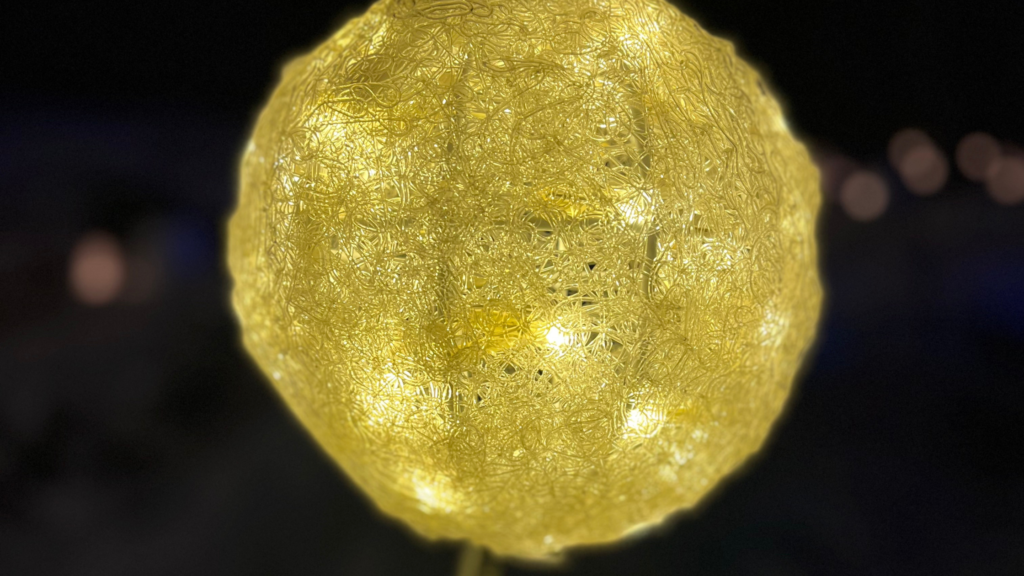
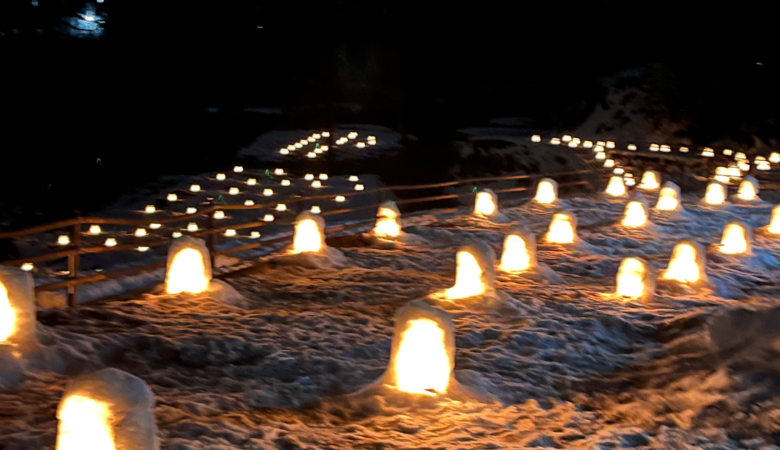
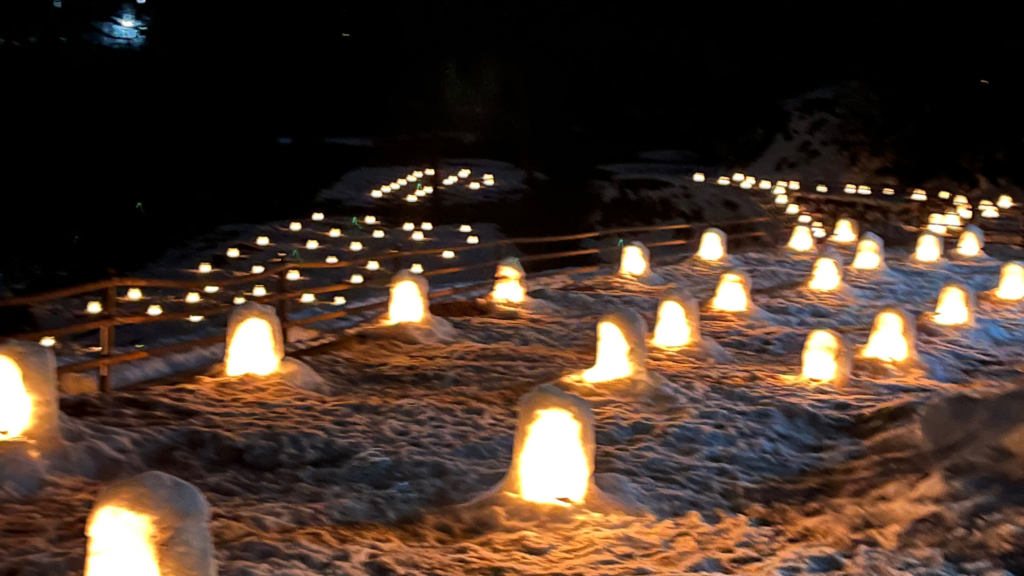
I’d like to introduce the Yunishigawa Onsen Kamakura Festival once a year hold from 1994, a magical winter tradition that graces the serene town of Yunishigawa in Nikko City, Tochigi Prefecture. Picture this: almost thousand of miniature Kamakura (snow houses) aglow with candlelight, creating a fairyland of snow and light. This “Yunishigawa Kamakura Festival” is a superb view that has been certified as a Japan historical night view heritage. Let’s delve into the wonder of this unique festival and entice your adventurous spirit!
Yunishigawa Onsen: A Hidden Gem
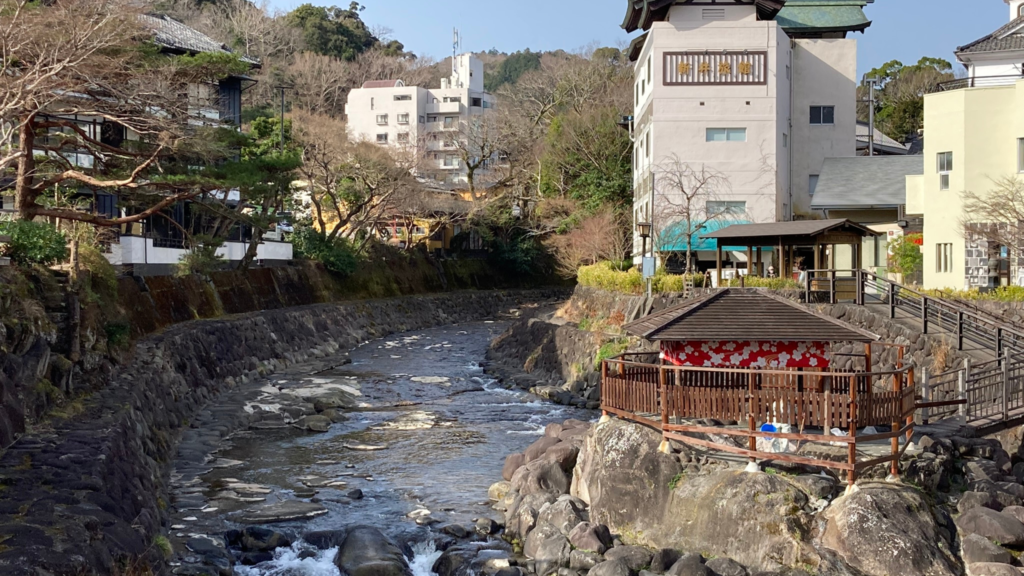
Where is Yunishigawa Onsen? Nestled deep in the mountains, Yunishigawa Onsen lies in a quiet, heavy snowfall area. For over 800 years, its natural hot springs have been a soothing haven for travelers seeking respite. Legend has it that this very place once harbored the wounded Heike warriors after their defeat at the Battle of Dannoura. Imagine their healing baths amidst the snow-covered landscape!
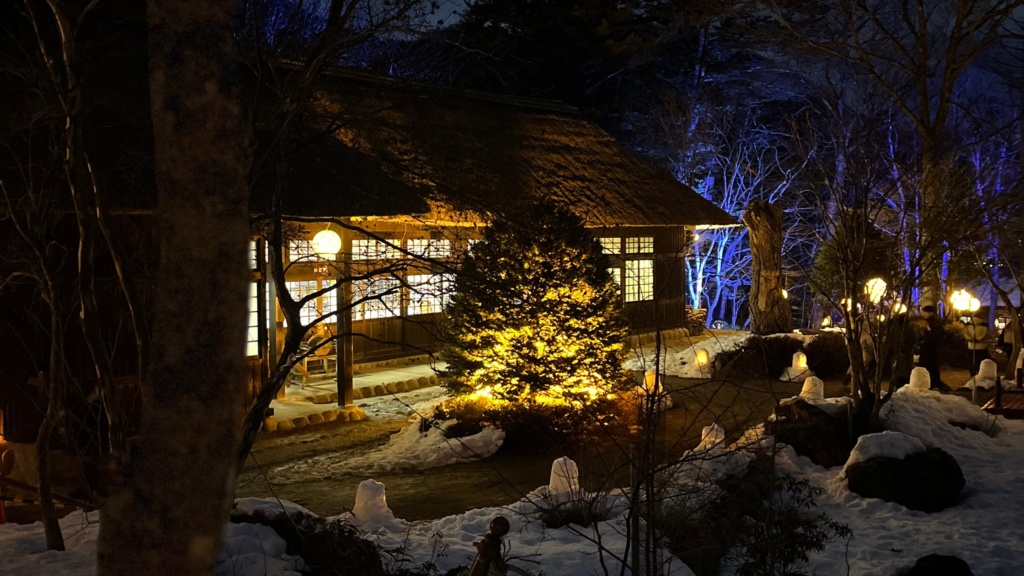
Hot Springs and Customs The hot springs here were serendipitously discovered—when someone wondered why there was no snow in a particular spot, they dipped their hands in and surprised! Hot water flowed forth. To this day, customs unique to Yunishigawa persist. Along the No carp streamers flutter, no smoking occurs, and chickens are absent. Why? Fear of Heike descendants being discovered by pursuers.
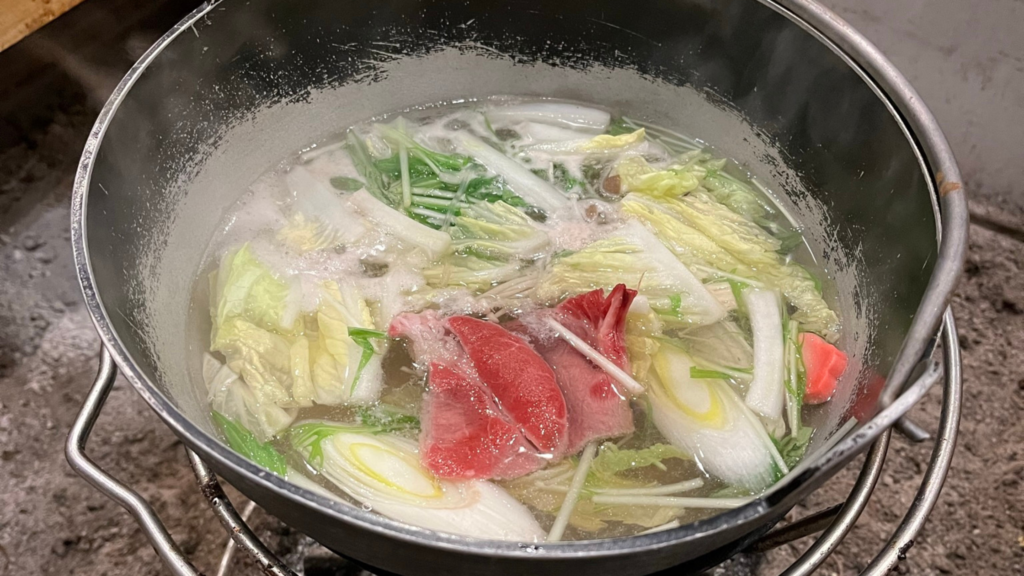
Local Cuisine and Hearthside Meals Warm up around the hearth with hearty local cuisine. Picture yourself savoring game dishes while snowflakes dance outside. It’s an experience that connects you to the past, where history and flavors intertwine.

Historical Reconciliation In 1994, more than 800 years after the Heike-Genji conflict, a reconciliation event took place here. The echoes of ancient battles still resonate, making Yunishigawa a living testament to Japan’s rich heritage.
How to Reach Yunishigawa Onsen
Yunishigawa Onsen is easily accessible. Hop on the Tobu Limited Express from Asakusa or Kita Senju, and within 2.5 hours, you’ll arrive at this tranquil haven. From Yunishigawa Onsen Station, a scenic 25-minute bus ride takes you to the heart of the festival.
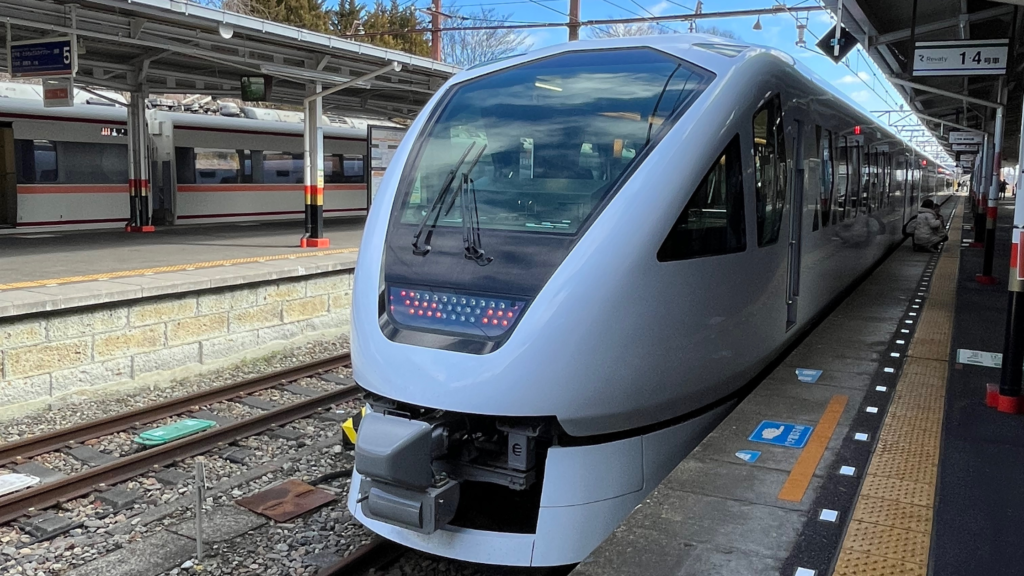
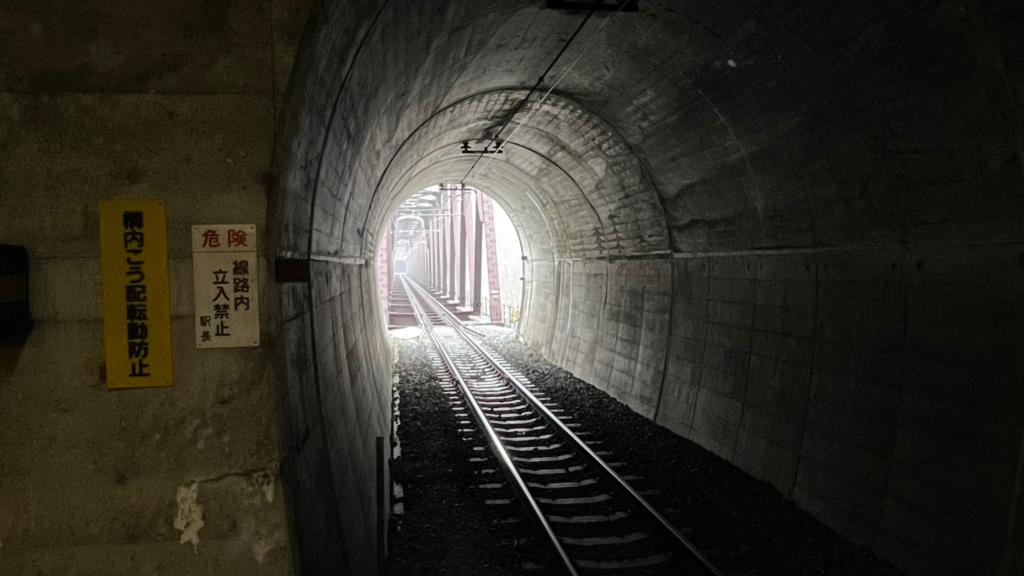
In addition, Yunishigawa Onsen Station is also famous as a station in an underground tunnel and a station with hot springs. The scenery of snow coming in from the tunnel is also tasteful and wonderful.
There is about one bus per hour, so it is recommended to check the connection time in advance.
Yunishigawa Onsen Kamakura Festival
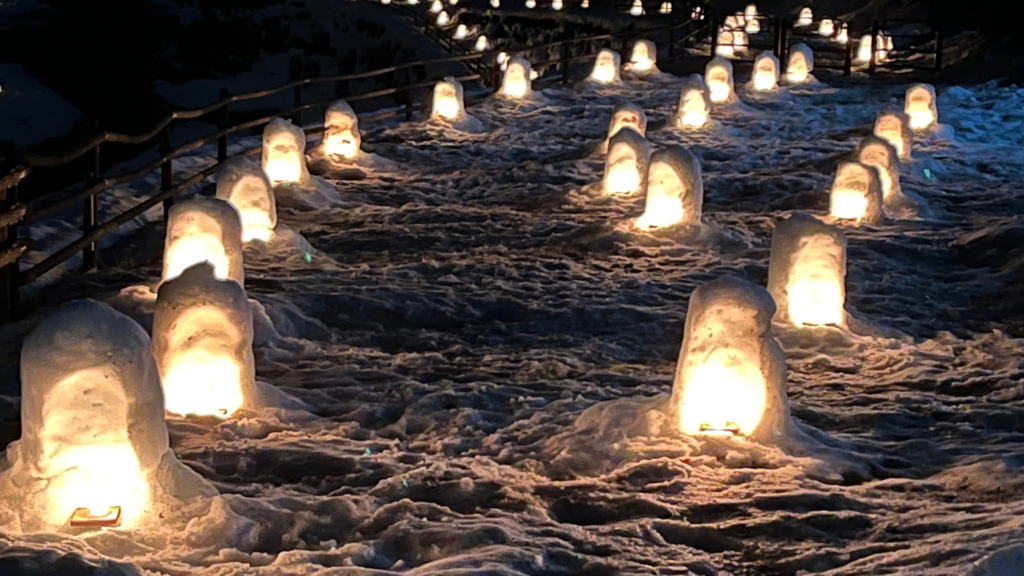
Yunishigawa Onsen Kamakura Festival, a celebration that began in 1994 as a revitalization effort for this serene town. Held every year during weekends throughout the month of January, this festival transports you to a magical world where more than 600 mini-Kamakura (snow huts) come alive with twinkling lights.
The setting: Heike Village and Along the Yunishi River
Heike Village: Imagine strolling through a charming village adorned with miniature snow houses. Each Kamakura is lovingly crafted and illuminated by dedicated volunteers. The scene evokes the spirit of ancient Japan, where warmth and community thrive amidst the winter chill.
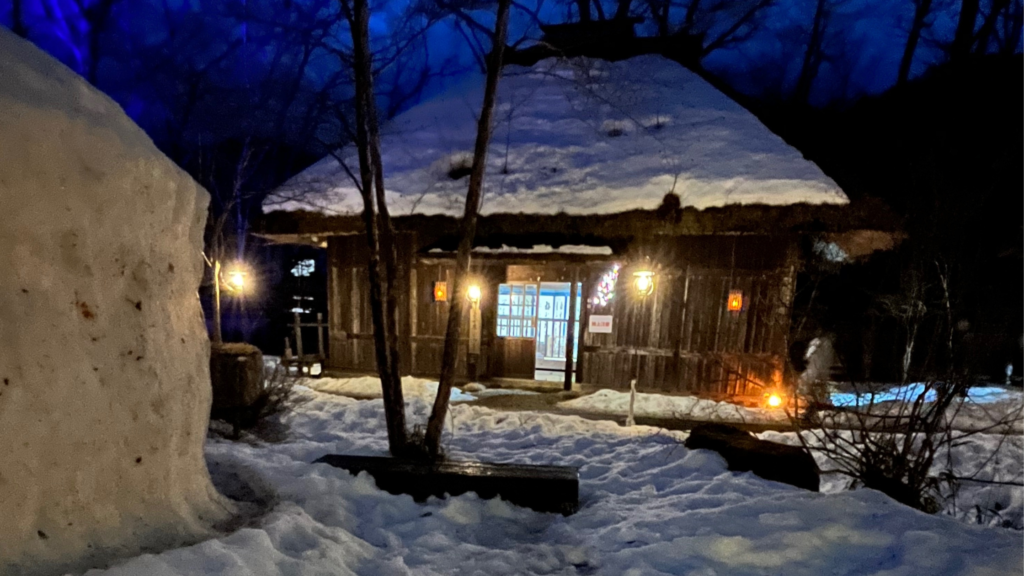
Along the Yunishi River: Follow the gentle flow of the Yunishi River, where the banks are lined with these delightful snow structures. As dusk settles, the magic intensifies. The soft glow of candlelight dances on the snow, creating an ethereal ambiance. It’s no wonder this breathtaking vista has been officially recognized as a Japan Historical Night View Heritage.
When and How to Experience It
Illumination Time: The festival begins at 5:30 in the evening, casting a spell over Yunishigawa. As the night deepens, the Kamakura glow brighter, beckoning you to explore their cozy interiors.
A Must-See View: Whether you’re a seasoned traveler or a first-time visitor, witnessing this spectacle is a must. The juxtaposition of snow, light, and tradition creates a superb view—one that lingers in your memory long after you’ve left.
Explore and Immerse: After 7 o’clock, step inside these tiny snow sanctuaries. Feel the warmth radiating from the candle-lit interiors as you marvel at the craftsmanship. It’s a chance to experience the heart of winter in a way that words can’t fully capture.
Summary
Yunishigawa’s quiet hot spring town, nestled deep in the mountains, promises solace. Let the steamy waters melt away your worries, and allow the snow-covered landscape to rejuvenate your spirit. It’s a place where time slows down, and the whispers of history echo through the snowy pines.
While this year event was closed, why not add Yunishigawa Onsen to your travel list for next year? Imagine the thrill of exploring illuminated Kamakura, savoring local cuisine, and immersing yourself in centuries-old traditions. Your heart will feel relaxing.
So, dear traveler, are you ready to immerse yourself in the magic of Yunishigawa Onsen? Pack your sense of wonder and embark on a journey to this historical gem, where snow, hot springs, and tradition intertwine.