
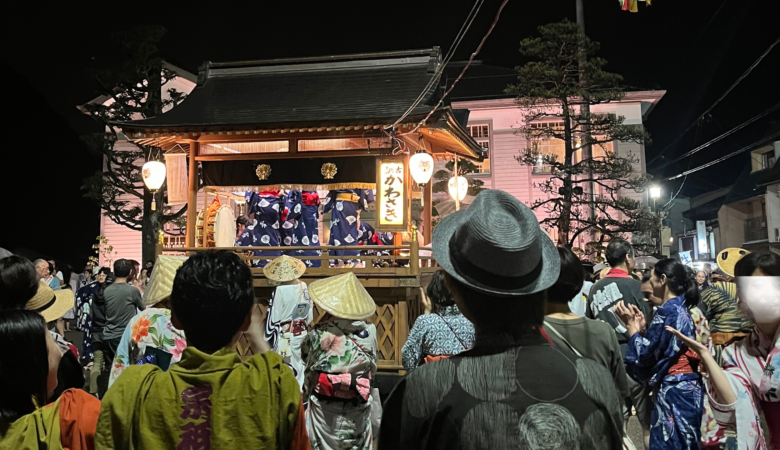
When night falls, Gujo Hachiman begins to move
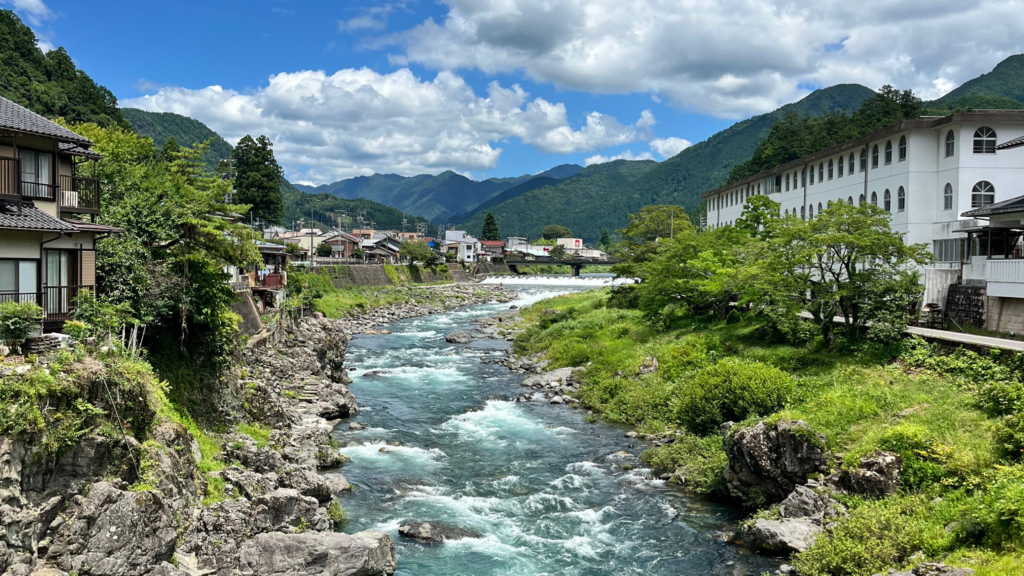
Hidden deep in the mountains of Gifu Prefecture lies the small castle town of Gujo Hachiman. Every summer, the town hosts Gujo Odori, a traditional dance festival that continues for nearly 30 nights.
Drawn by its energy and atmosphere, more than 300,000 people travel from all over Japan to experience it.
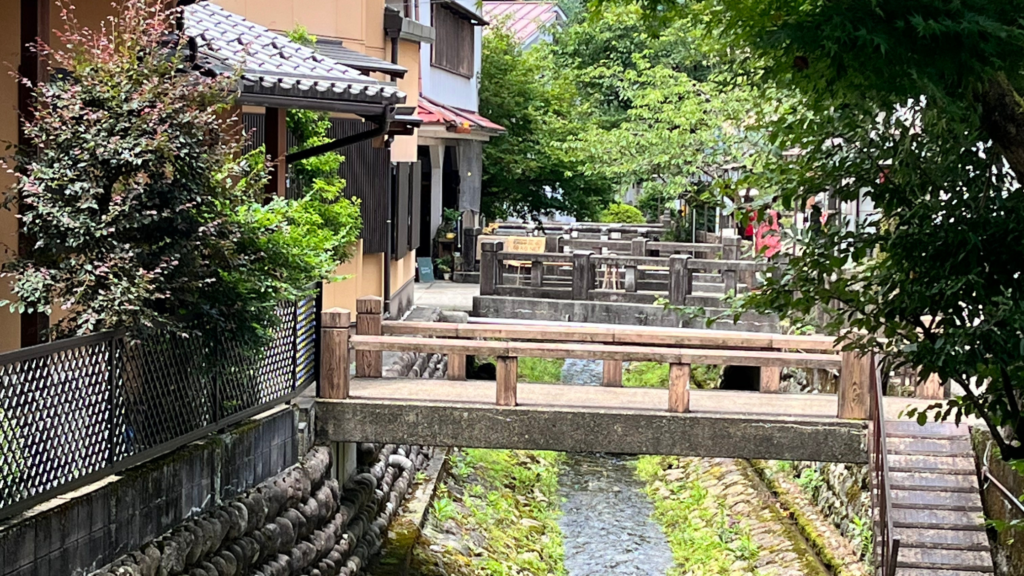
During the day, Gujo is quiet and serene. But at night, the sound of flowing water mixes with the beat of drums and the clatter of wooden clogs, and the entire town seems to begin dancing.
A summer trip to Gujo is not just sightseeing— it is a chance to witness a culture in motion.
The kindness of the locals, the beauty of the landscape, and the heat of the dance have captivated me so deeply that I return every year. Today, I’d like to share the charm of this remarkable town.
A Town Shaped by History and Water
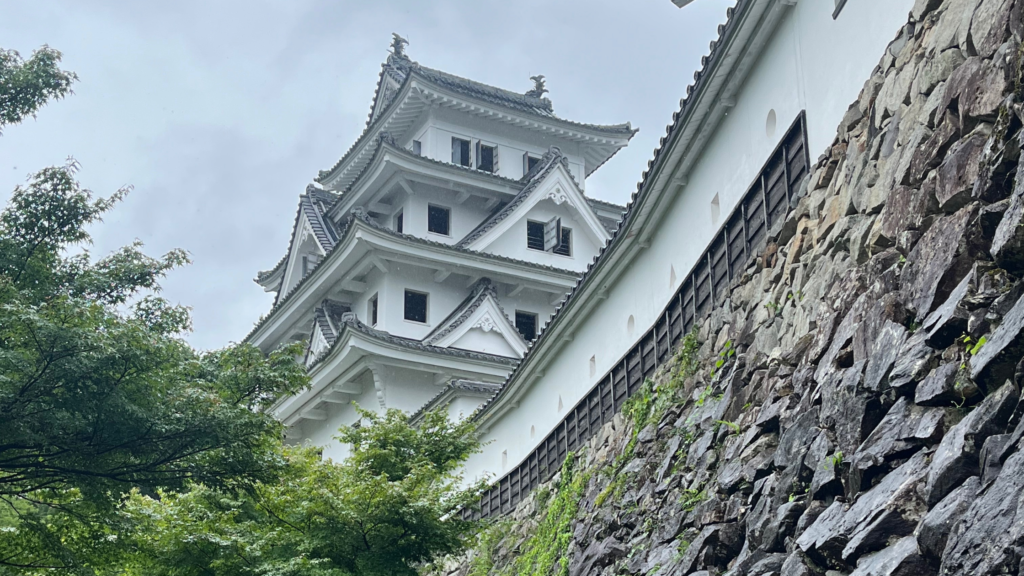
Gujo Hachiman flourished as a castle town during the Edo period. Gujo Hachiman Castle still stands at its center, overlooking streets where samurai residences and merchant houses once coexisted.
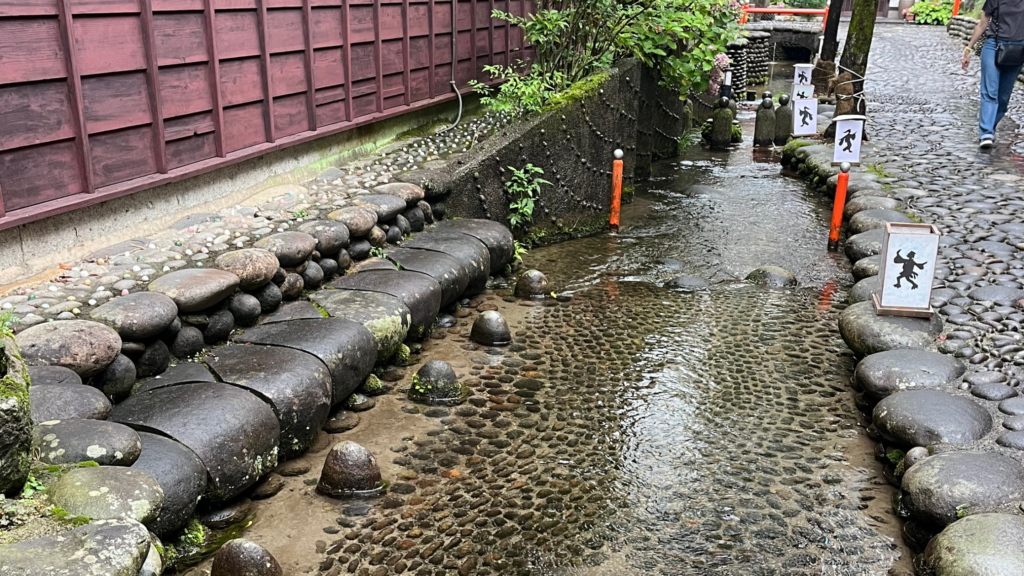
One of the town’s defining features is water. Springs such as Sogi-sui have supported daily life for centuries, and the gentle sound of water has long been said to calm the hearts of the townspeople.
“Where there is water, people gather—and culture is born.”
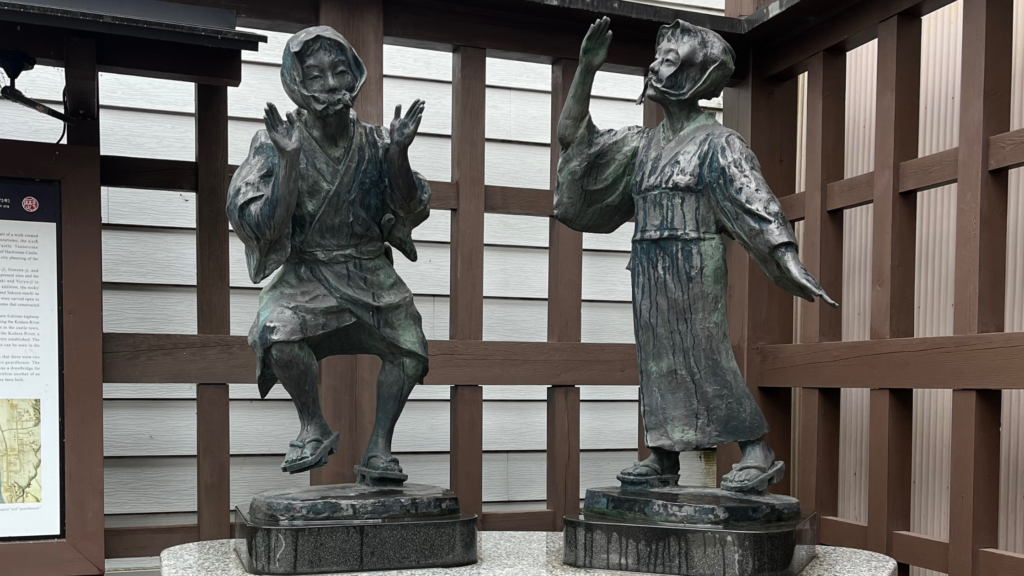
The origins of Gujo Odori and Shiratori Odori trace back to the 17th century, when the local feudal lord encouraged dancing as a way to unite the community. In an era of strict social hierarchy, dance became a tool for bringing people together— a fascinating part of Gujo’s history.
Getting There
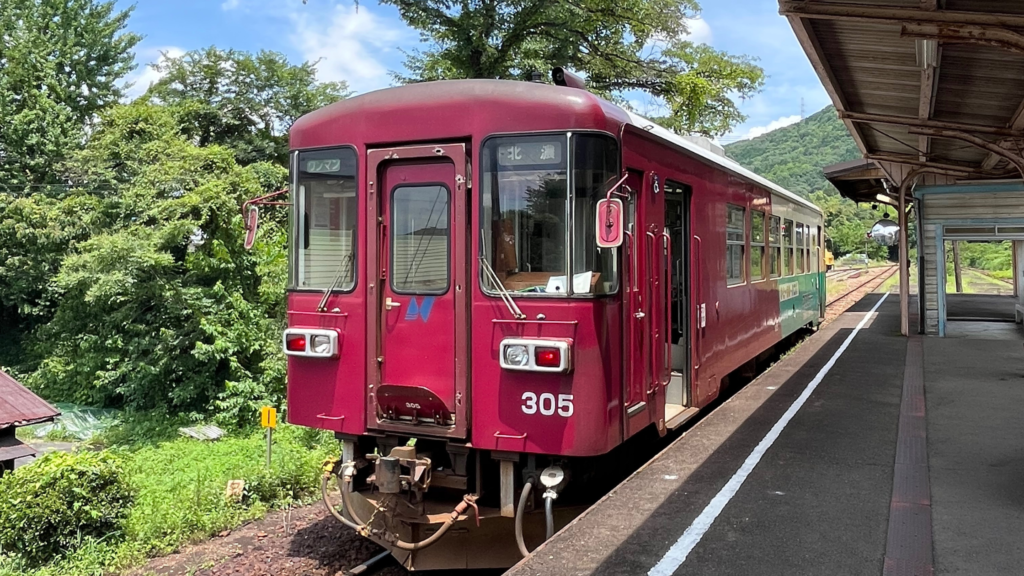
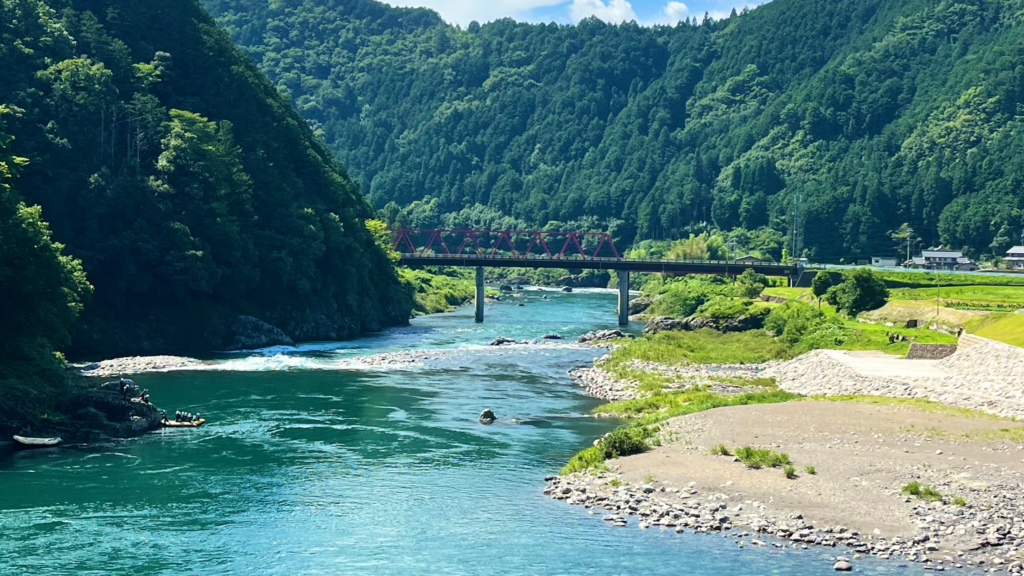
From Nagoya, take a limited express train and transfer to the Nagaragawa Railway. In about two hours, you’ll arrive in Gujo Hachiman, passing through beautiful mountain scenery along the way.
Walking Through Gujo: Culture in Quiet Moments
Gujo Hachiman Castle
The climb to the castle is steep, but the view is worth it. From the top, you can see the grid-like layout of the old town and imagine how culture and community grew here. If you listen closely, you might even hear the distant echo of drums carried by the wind.
Sogi-sui Springs
Clear water flows quietly, still used by locals today. It feels less like a tourist spot and more like a glimpse into everyday life. Standing here, you realize that Gujo’s culture is not flashy—it is built on the gentle accumulation of daily moments.
Old Town Streets
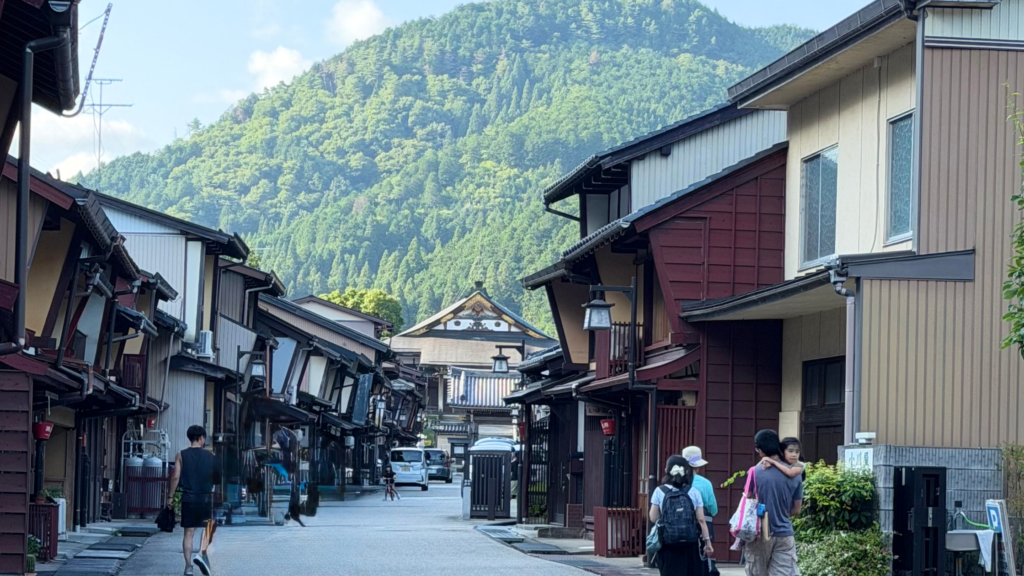
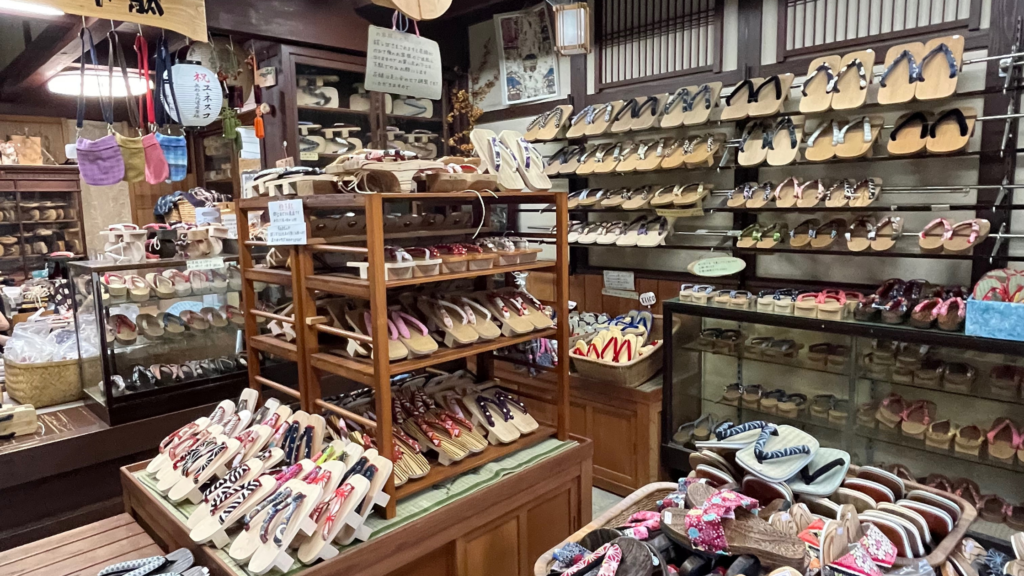
Food sample workshops, traditional paper shops, and old wooden houses line the streets. Walking through the artisan district, you can sense how dance and craftsmanship are both rooted in the town’s lifestyle.
Jion Zen Temple
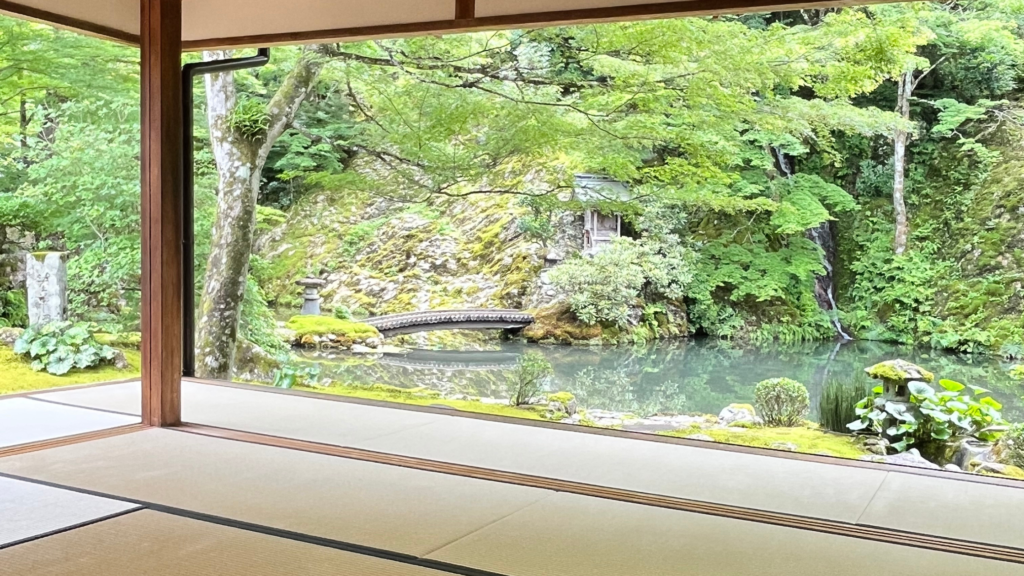
Built about 400 years ago by the local lord, this Zen temple features a serene garden with a reflective pond. Its peaceful atmosphere has made it a popular filming location.
Otaki Limestone Cave
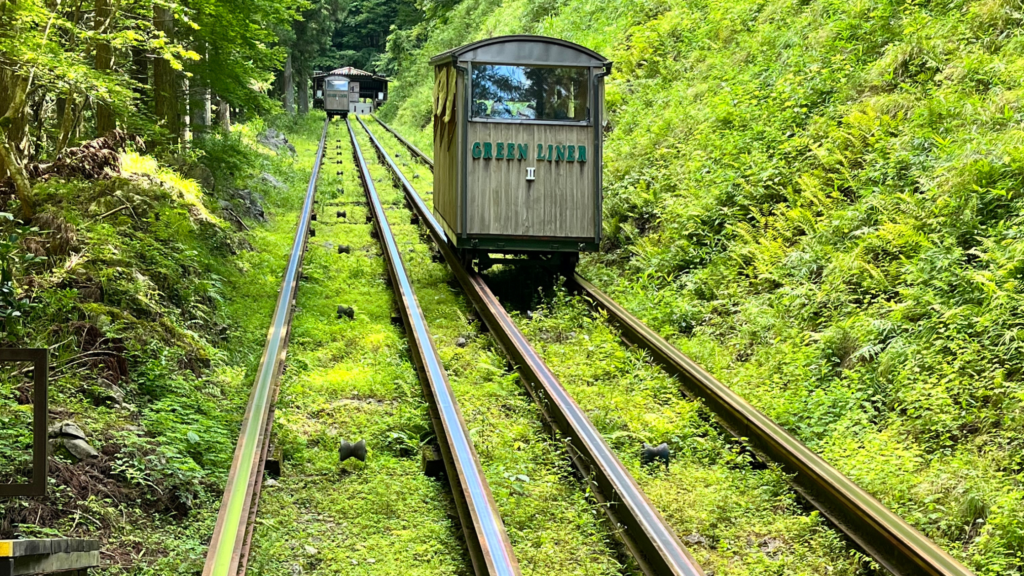
Ride a wooden trolley to the entrance and explore the cool underground caverns. After seeing the subterranean waterfall, enjoy refreshing nagashi-somen—flowing noodles served in cold water.
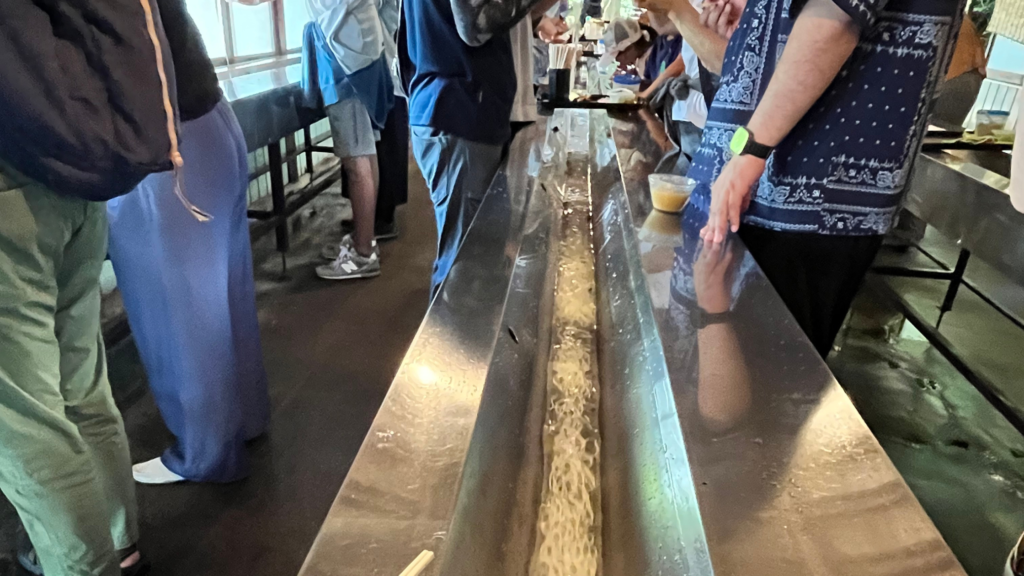
When Night Falls, the Dance Takes Over
Gujo Odori: The Dance of the Town
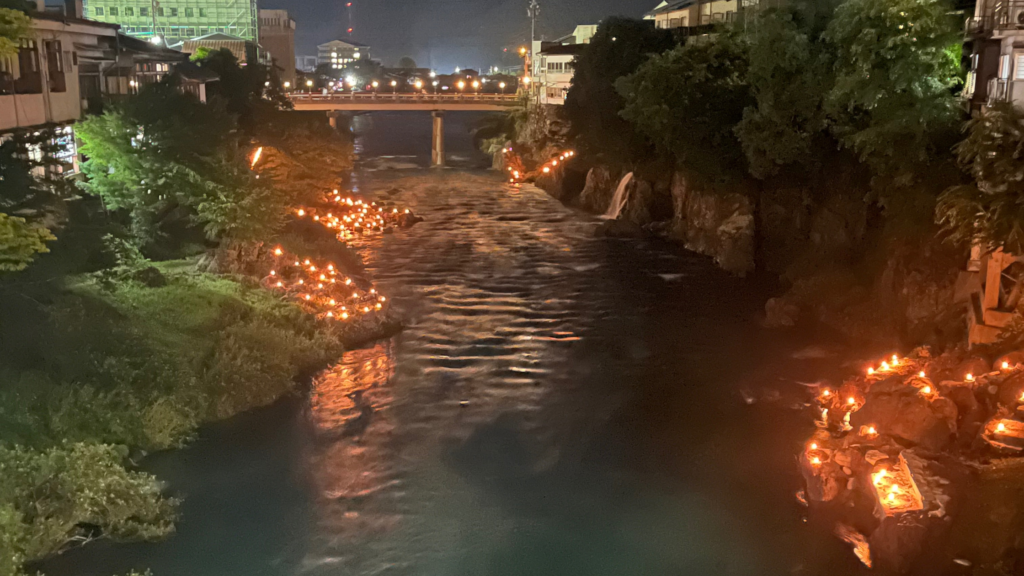
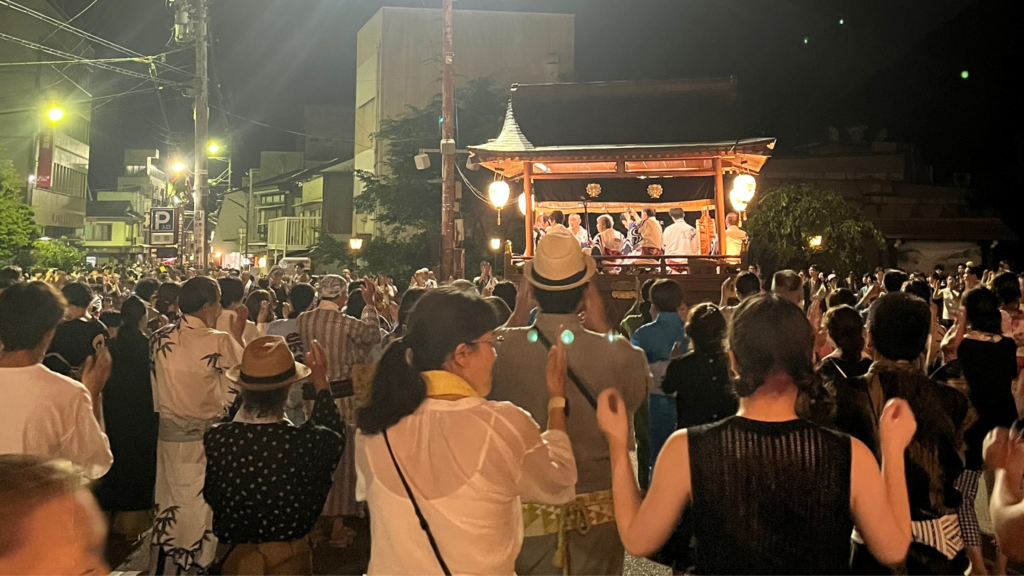
As evening arrives, the town transforms. Lights reflect on the river, drums echo from the tower, and the sound of clogs fills the streets.
There is no dress code and no rules—just join the circle and dance. The movements are simple, and as you follow the skilled dancers in the center, the circle grows larger and larger.
The rhythm quickens, the clogs strike the ground sharply, and the dance reaches its peak late into the night. Before you know it, you’re dancing with everyone else, swept up in the excitement.
If you want a yukata or wooden clogs, many shops in town can help you make or customize your own.
Shiratori Odori: The Dance of the Mountains
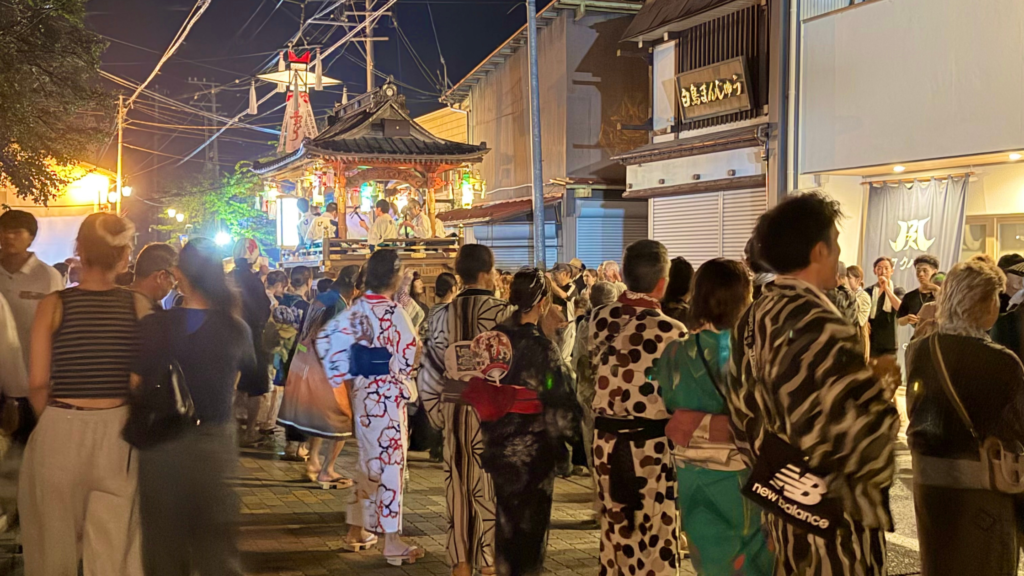
Held in the small mountain town of Shiratori, this dance is more rustic and closely tied to local life. Many young people join, and the tempo accelerates until it’s known as the “fastest Bon dance in the world.” It feels like the rhythm of mountain life itself has become a dance.
Experiencing both dances—the elegance of the town and the simplicity of the mountains— reveals the true depth of Gujo’s culture.
Side Trips Around Gujo
Mino
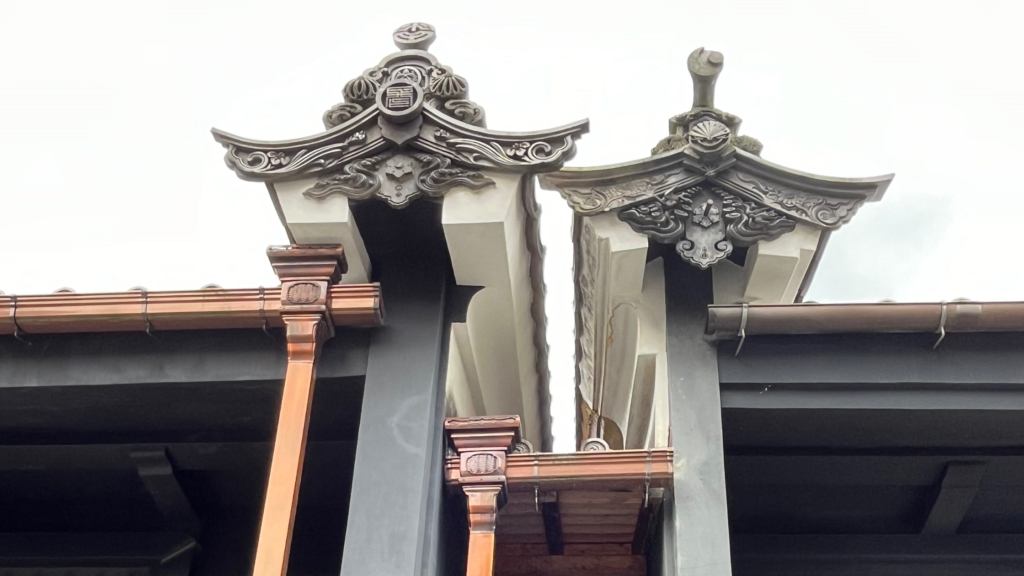
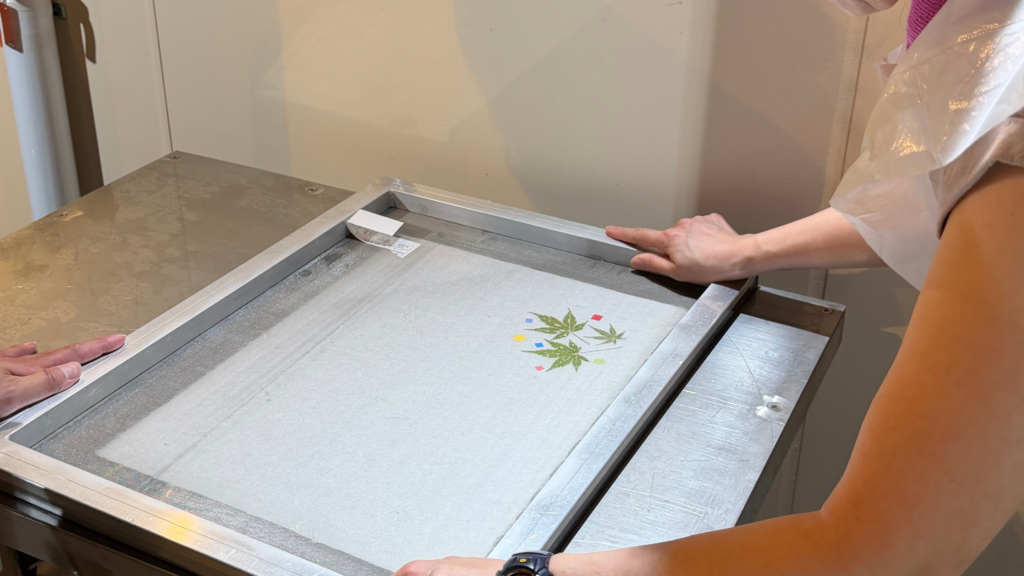
Famous for Mino Washi, one of Japan’s finest traditional papers. The “Udatsu Street” features unique architecture and offers hands-on papermaking experiences.
Gujo Yamato
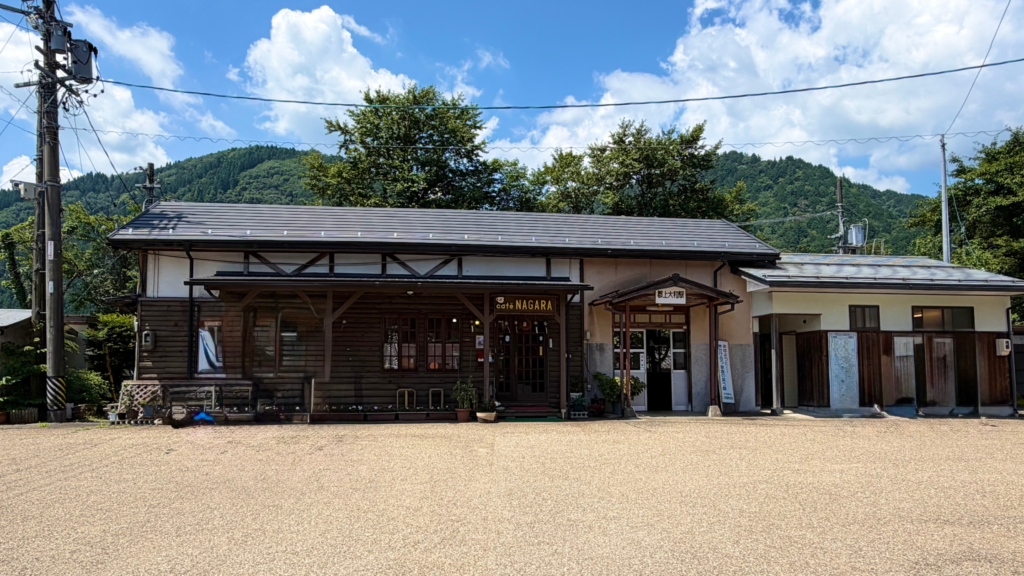
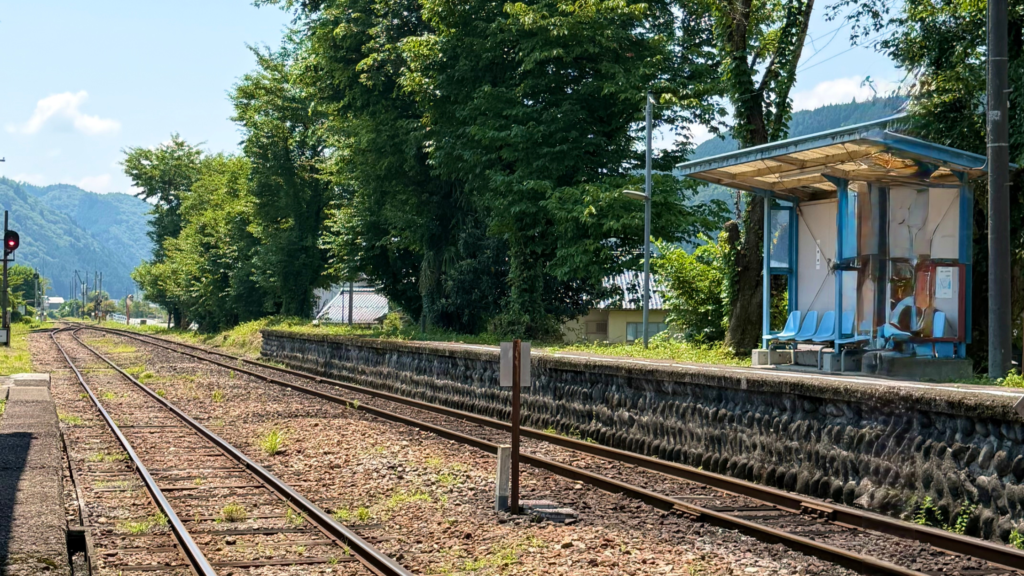
A quiet town between Gujo Hachiman and Shiratori. The unmanned station now serves as a cozy café and community hub. At Kokin Denju no Sato, you can enjoy local specialties, river fish, hot springs, and foot baths. It’s a place where Japan’s rural landscape remains beautifully untouched.
Nagaragawa Railway
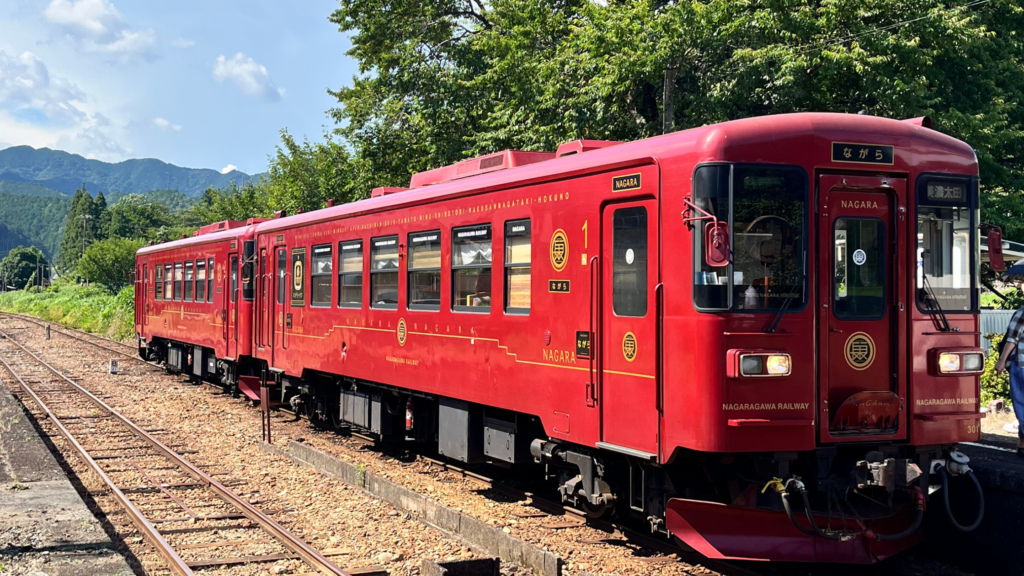
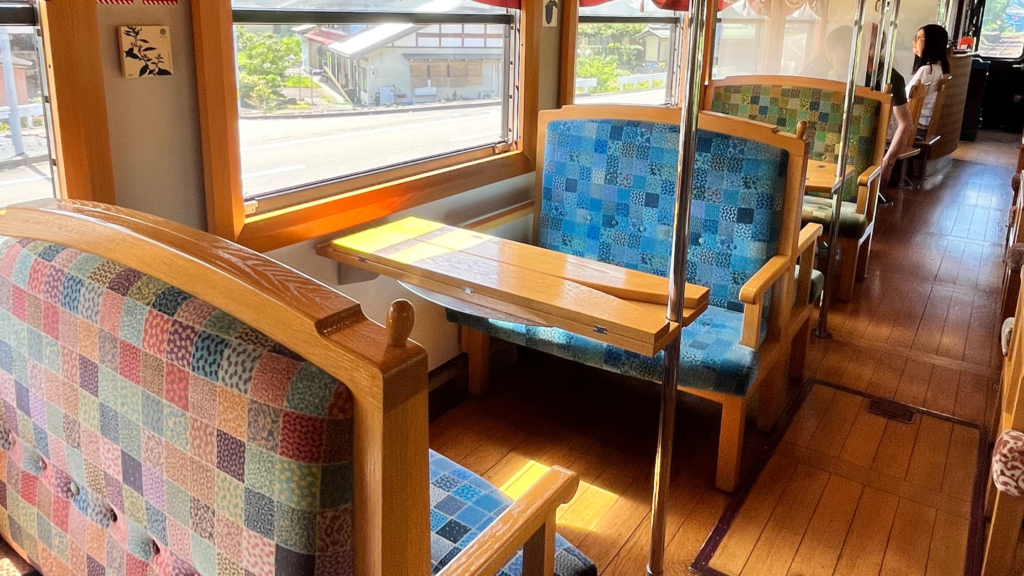
This scenic local line runs along the Nagara River. Some trains feature local cultural decorations, and the “Nagara” sightseeing train—designed by Eiji Mitooka—offers a luxurious ride with warm hospitality.

Conclusion
Gujo is a mountain town where culture is always in motion.
Famous tourist destinations are wonderful, but the quiet moments spent in small rural towns often become the memories that stay with us the longest. The sound of water, the mountain breeze, the night dances— all of these come together in Gujo’s summer to create a rare experience of living culture.
Time spent in Gujo leaves behind a gentle, lasting depth that busy sightseeing cannot offer. It is the kind of experience that becomes a true treasure of travel.

Mahalo Nuiloa Local Guide provides extensive support, from itinerary creation to accompanying you on private tours. If you are thinking of designing your own special trip and discovering hidden charms cherished by the locals, please feel free to contact us. Here is where you can make an inquiry.