
Toyama City, selected by The New York Times as one of the 52 Places to Go in 2025, is a destination where dramatic nature, refined culture, and warm hospitality come together. Nestled between the towering peaks of the Northern Japan Alps and the deep blue waters of Toyama Bay—often called a “natural fish preserve”—the city offers a rare blend of breathtaking scenery and everyday comfort.
Despite being only two hours from Tokyo by Shinkansen, Toyama remains a compact, calm, and welcoming city. Art museums, traditional neighborhoods, fresh seafood, and friendly locals make it a place where travelers feel instantly at home.
Toyama also serves as an ideal base for exploring the region: the Tateyama Kurobe Alpine Route, Kanazawa, Shirakawa-go, and Takayama are all reachable in about an hour.
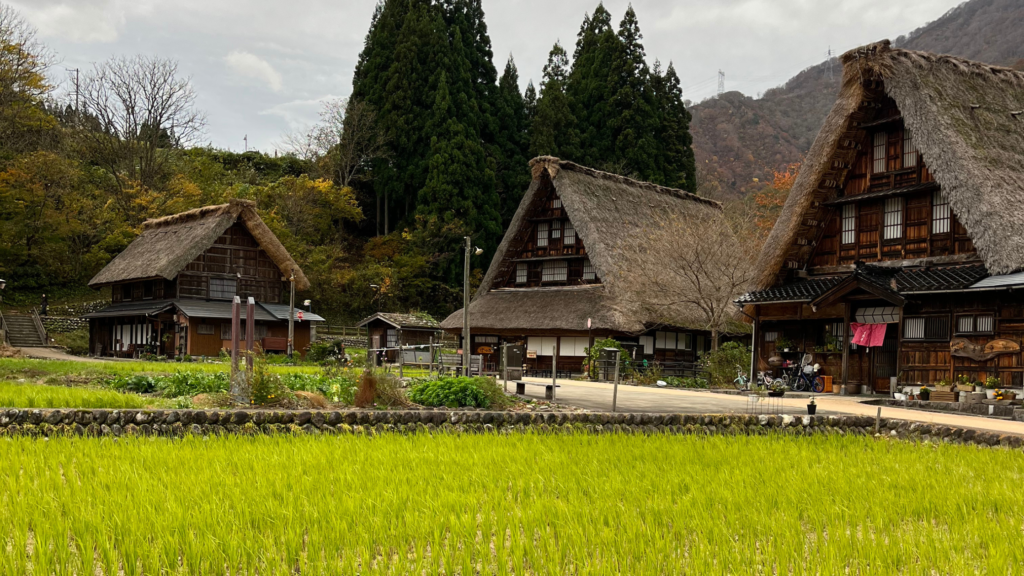

This time, I’d like to introduce one of Toyama’s most enchanting experiences—Etsu-chu Yatsuo and its legendary festival, Owara Kaze-no-Bon.
Etsu-chu Yatsuo — A Mountain Town Where Time Slows Down
Etsu-chu Yatsuo lies southwest of Toyama City, nestled quietly in the mountains.
Once a key route connecting the Hida region to the Japan Sea, the town prospered in the 17th century through sericulture and papermaking, developing a rich merchant culture that supported much of Toyama’s economy.
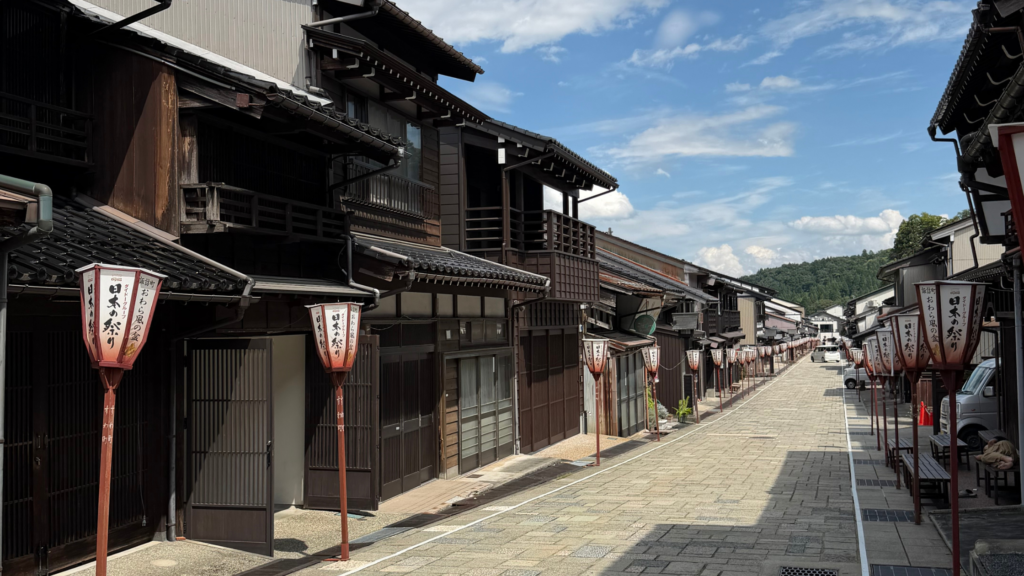
The stone-paved slopes, lattice-fronted machiya houses, and white-walled storehouses create a scene that feels like stepping into a Japanese folktale.
Suwamachi Street is listed among Japan’s Top 100 Roads, and as you climb its gentle slope and glance back, a nostalgic landscape unfolds behind you.
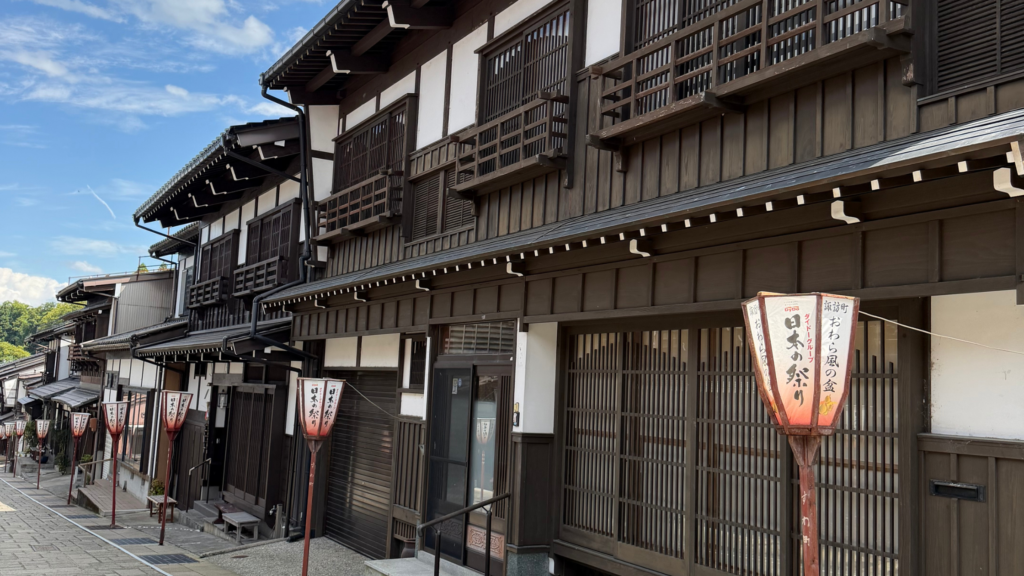
Beneath the eaves of each house runs a small waterway called “Ennaka,” whose soft flowing sound accompanies visitors as they wander.
This ingenious system was created long ago to carry away the heavy winter snow—a testament to the wisdom of those who lived here.
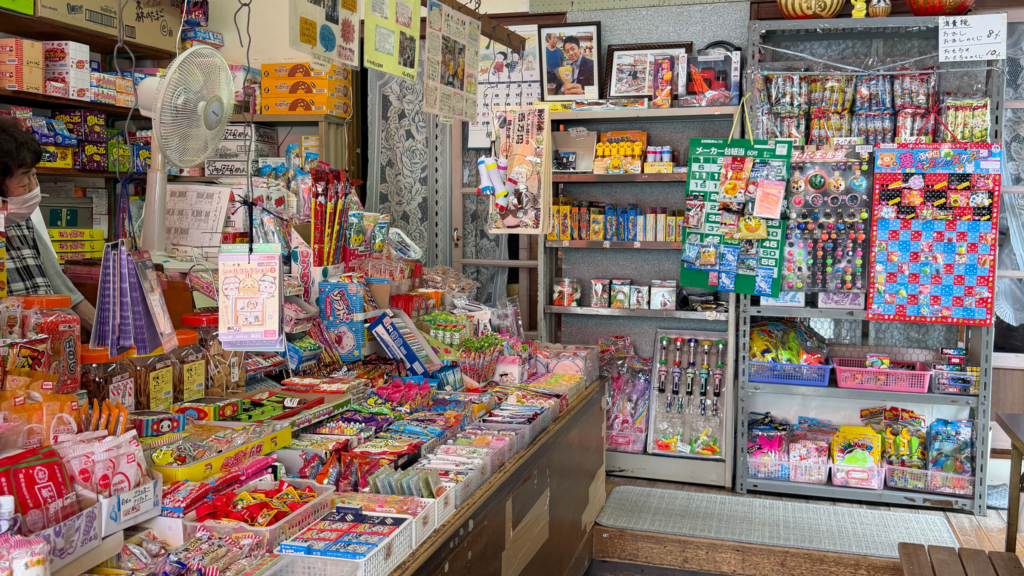
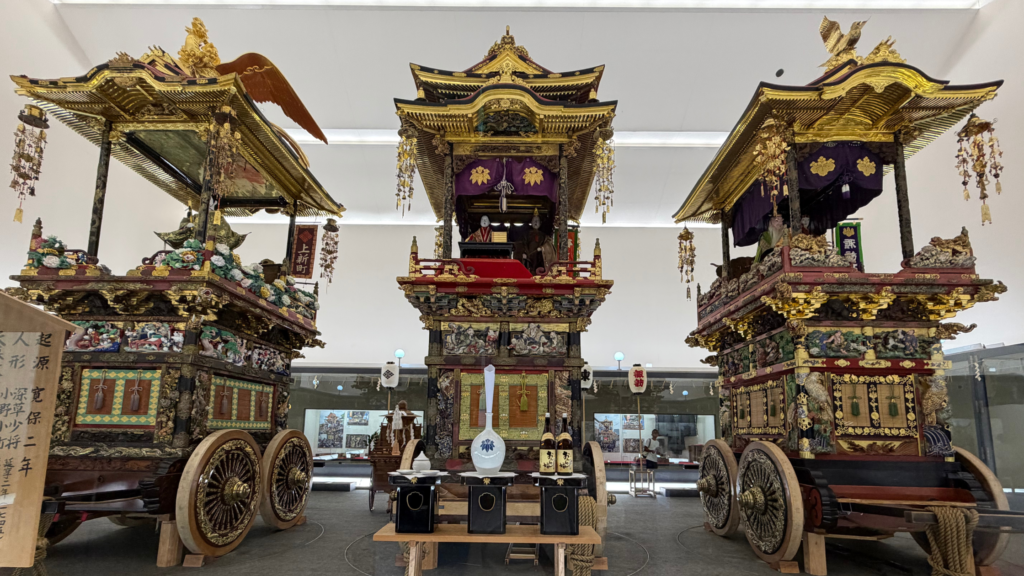
During the day, you can explore the Hikiyama Exhibition Hall and the Owara Museum, learning about the town’s culture and the history behind Owara Kaze-no-Bon.
Walking through Yatsuo in daylight helps you appreciate its beauty before the night transforms the town for the festival.
Owara Kaze-no-Bon — The Quiet Beauty of a Haunting Night
Owara Kaze-no-Bon is held every year from September 1st to 3rd, drawing around 190,000 visitors over three nights.
The festival takes place on the 210th day after the first day of spring—a date traditionally feared for strong winds and typhoons.
For more than 300 years, this dance has been performed to calm destructive winds and pray for a bountiful harvest.
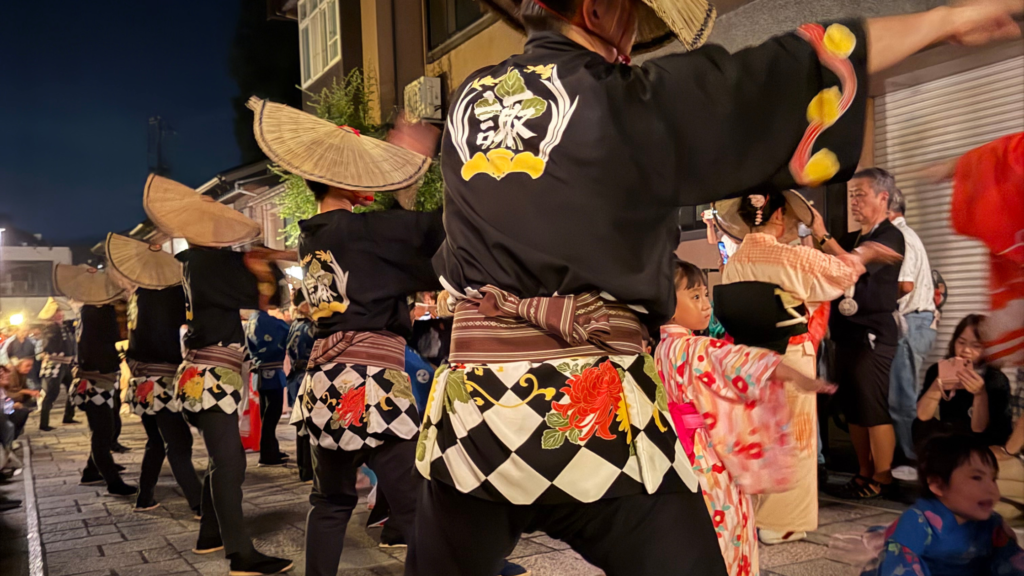
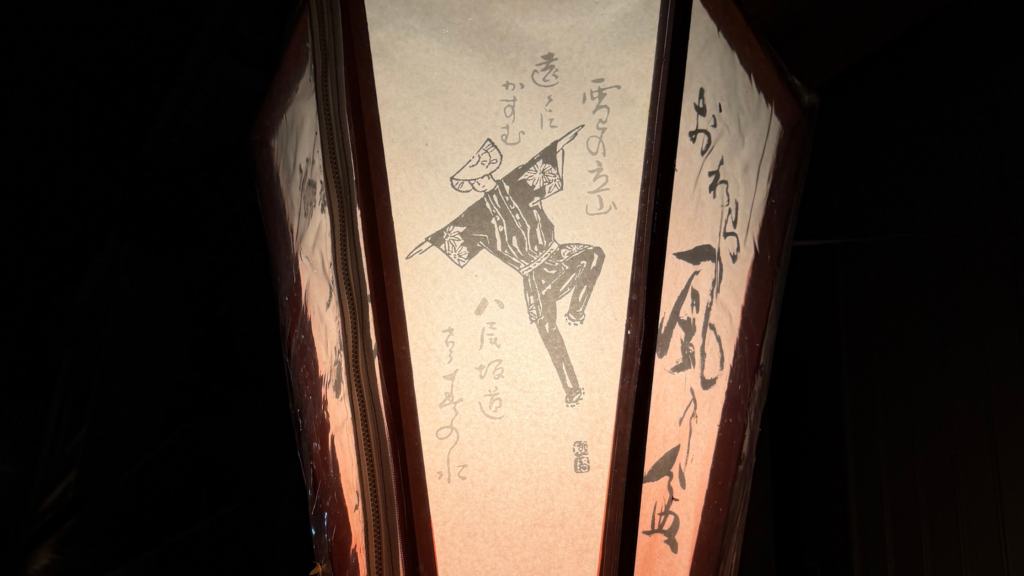
As dusk approaches, lanterns begin to glow one by one, and the entire town slips into a dreamlike atmosphere.
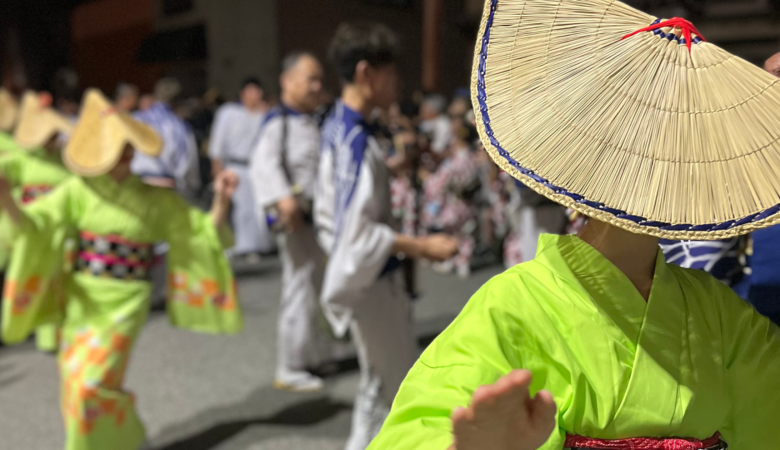
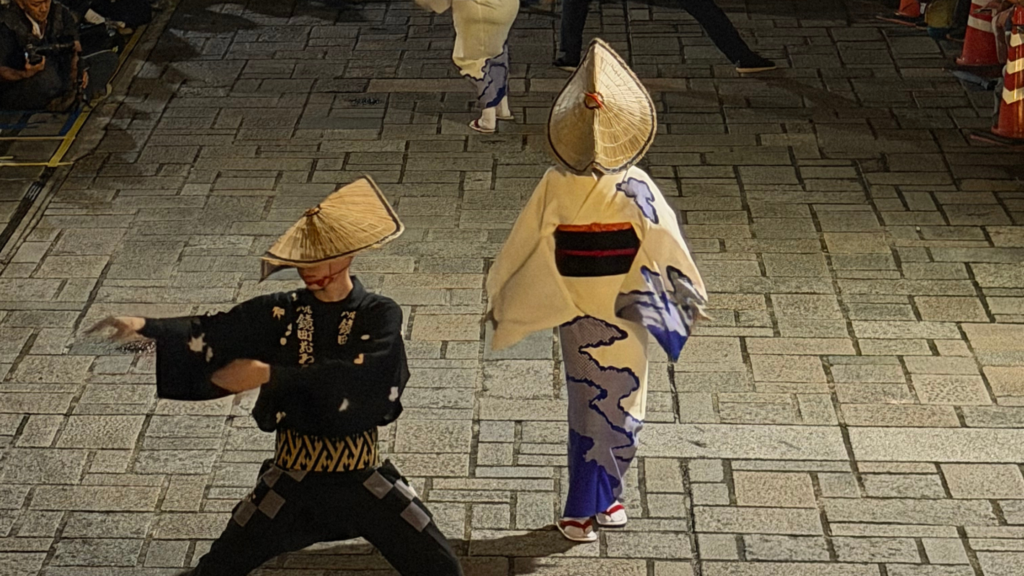
Dancers wearing woven hats that hide their faces move gracefully through the narrow streets, accompanied by the haunting sound of kokyū and the gentle rhythm of shamisen.
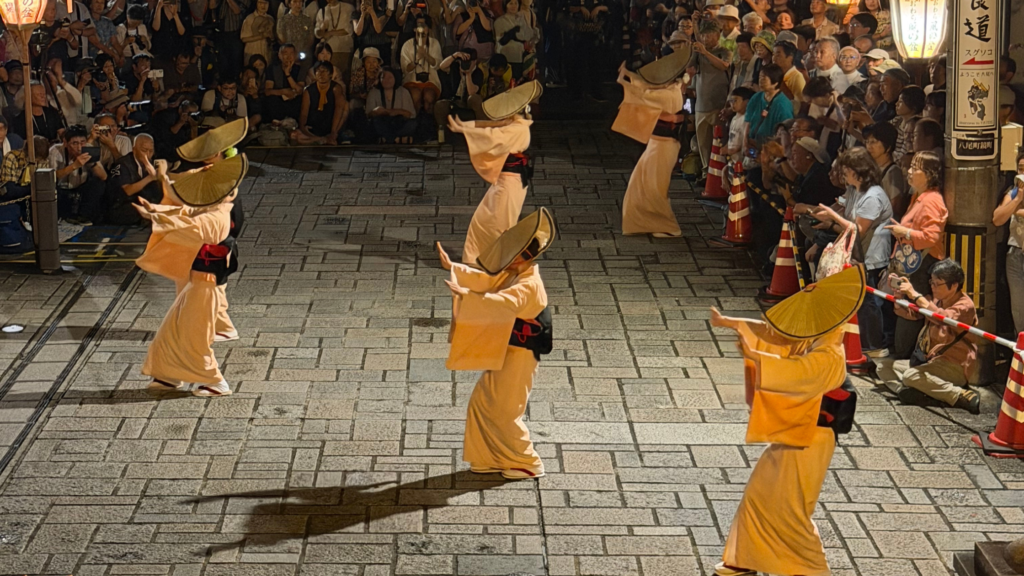
The beauty of Owara lies not in flamboyance but in quiet elegance.
The melancholy kokyū, the narrative-style singing reminiscent of jōruri, and the refined movements of the dancers leave a deep and lingering impression.
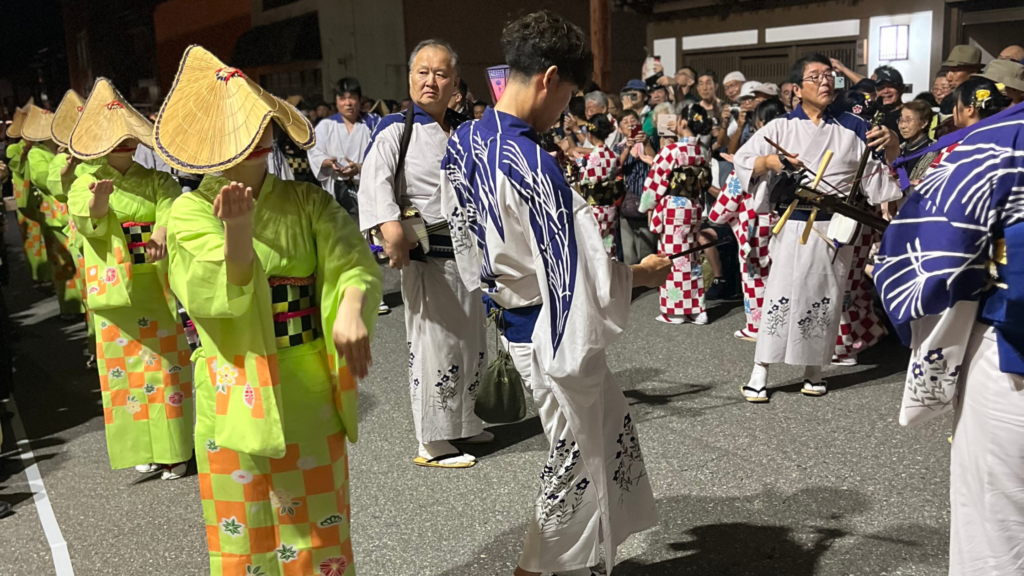
Yatsuo has 11 districts, each with its own dance style, yukata colors, and musical character.
The shifting expressions of the festival from one district to another are part of its unique charm.
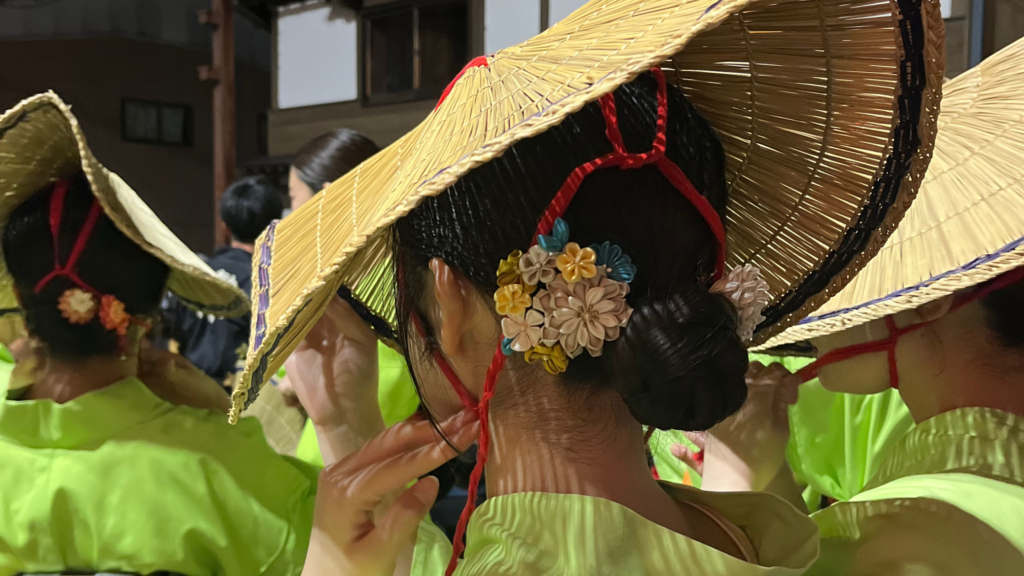
Many visitors find themselves naturally falling into step behind the dancers, letting the night, the music, and the soft lantern light carry them away.
How to Get There
- From Toyama Station: Train, bus, or taxi — about 30 minutes
- By car: After 4 PM, traffic restrictions prevent entry into the town. Use designated parking areas and take the shuttle bus.
- During the festival: Special late-night trains operate, making public transport convenient.
Tips for Enjoying the Festival
- Festival hours: around 5 PM to 11 PM
- Rain stops the music and dance—kokyū and shamisen cannot get wet
- Schedules change flexibly depending on weather and each district’s decision → Online schedules are approximate; the real timing is decided on the day
Because Yatsuo is a hilly town, wandering aimlessly can be tiring. Choose a district or viewing spot in advance and arrive a little early.
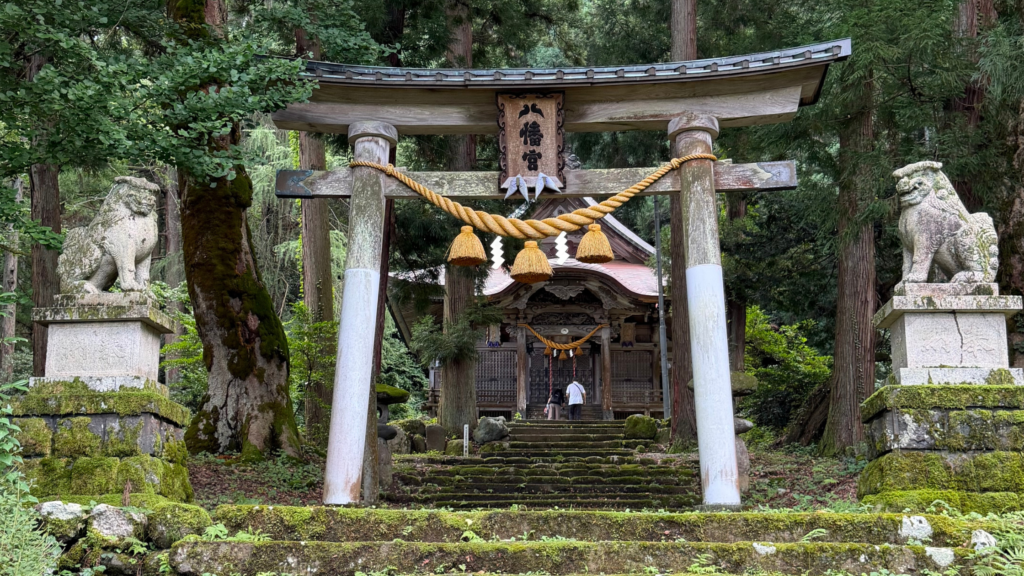
For stage performances, Monmyoji Temple and Hachiman Shrine are popular locations.
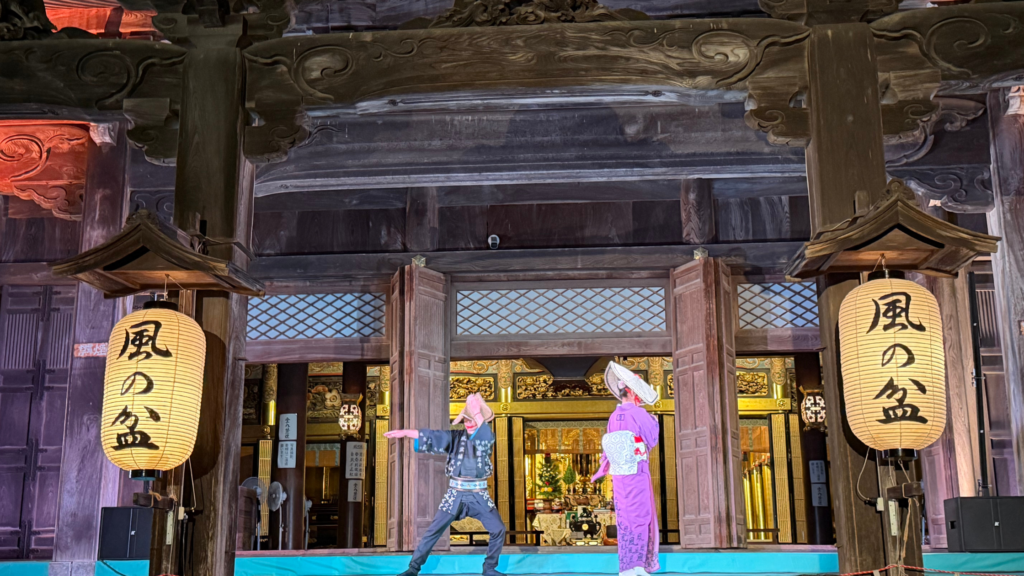
If you prefer indoor viewing, Hikiyama Hall and the Owara Museum offer reserved seats. Some travel agencies also provide private viewing plans.
To avoid crowds, visit Yatsuo in late August, when nightly practice sessions begin. These rehearsals offer a quieter and more intimate experience.
Here is video of Owara kaze no bon
Where to Stay
Accommodations in Yatsuo fill up months in advance, so early reservations are recommended. Many visitors stay in Toyama City and travel to Yatsuo for the festival.
A Journey Into Quiet Beauty
In the stillness of this mountain town, the kokyū’s haunting notes color the night, and the dancers’ silhouettes sway gently in the lantern light. In those moments, time seems to pause, and you find yourself simply surrendering to the beauty before you.
The quiet magic of Yatsuo’s night does not fade when the festival ends— it lingers softly, becoming a memory that continues to glow in the deepest part of your heart.
Mahalo Nuiloa Local Guide provides extensive support, from itinerary creation to accompanying you on private tours. If you are thinking of designing your own special trip and discovering hidden charms cherished by the locals, please feel free to contact us. Here is where you can make an inquiry.